The Masai Mara is Kenya's most famous wildlife reserve, a 1,510 square-kilometre slice of savanna in the southwest of the country that forms the northern edge of the much larger Serengeti ecosystem across the border in Tanzania. This is the land of black-maned lions, great rolling grasslands dotted with acacia and the Mara river, and — between roughly July and October — the thunderous arrival of the Great Migration, when over a million wildebeest and hundreds of thousands of zebras cross from Tanzania in search of fresh grass. The Mara River crossings, where crocodiles and big cats wait for the herds, are one of the genuine spectacles of the natural world.
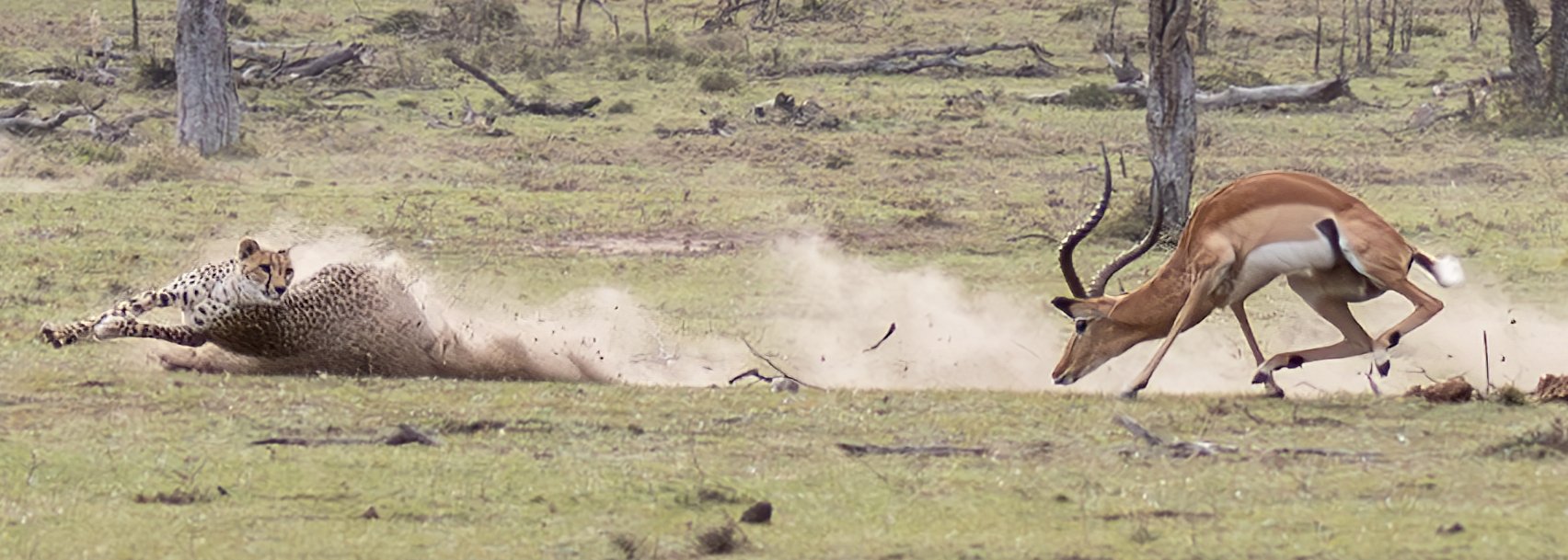
Even outside migration season, wildlife density in the Mara is extraordinary. You are almost guaranteed lions, elephants, buffalo, giraffe and plains game on a single day's drive; leopards and cheetahs are seen regularly. The Musiara Marsh in the north has been home to famous lion prides documented in BBC wildlife films. The Oloololo Escarpment forms the western wall of the reserve with views across the entire ecosystem.
The downside is well-known: the Mara is crowded at peak sightings, and you may find twenty vehicles circling a single cheetah. The solution is the conservancies — Mara North, Olare Motorogi, Naboisho — that border the official reserve, apply strict vehicle limits, allow off-road driving and night game drives, and feel genuinely wild. A dawn hot-air balloon ride over the plains is a significant splurge but unforgettable.
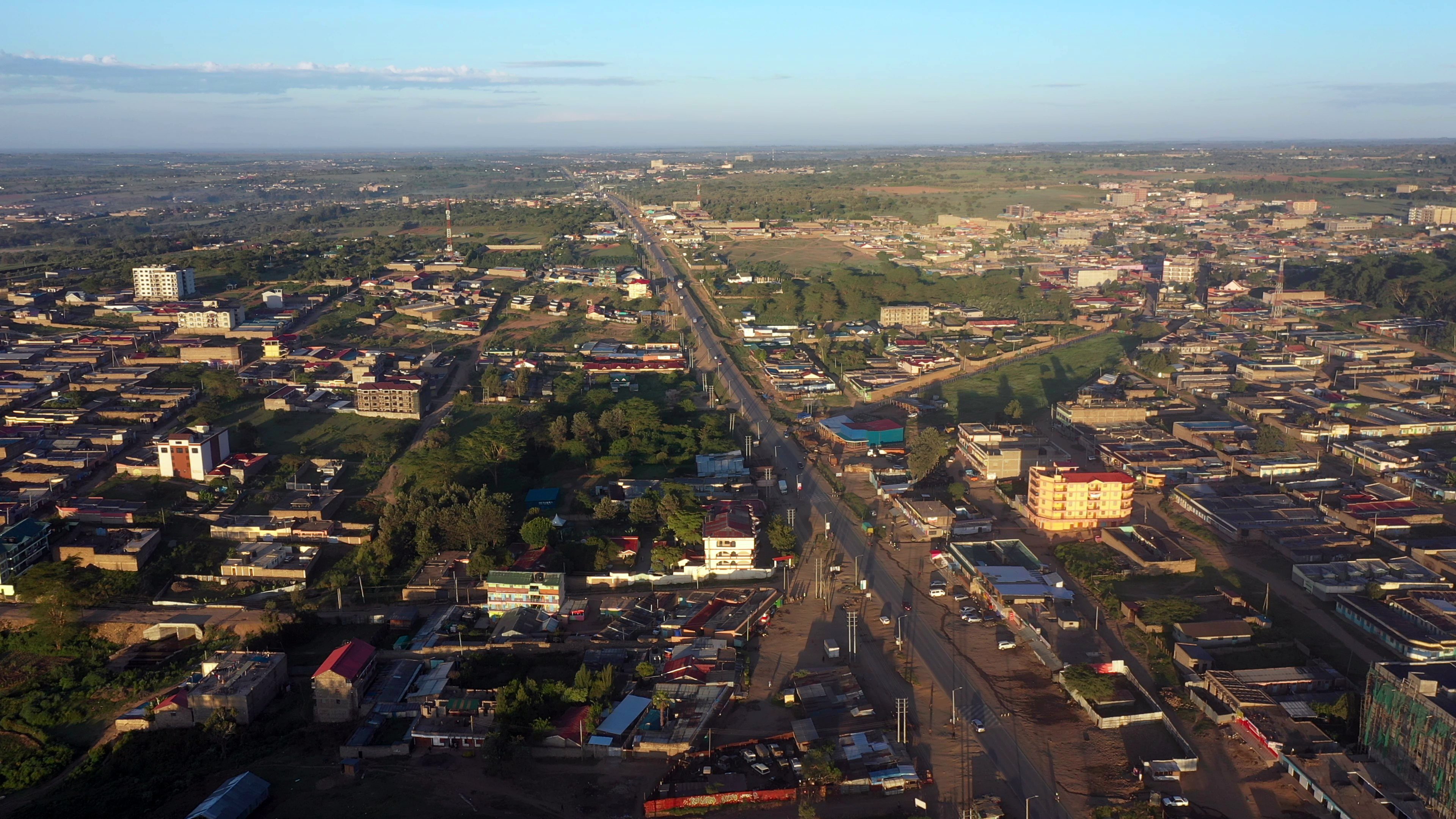
Most visitors fly in from Nairobi (about 45 minutes to one of the many airstrips) or drive the 270 km via Narok, the last sizeable town. Spend at least three nights if you can — the Mara rewards time.