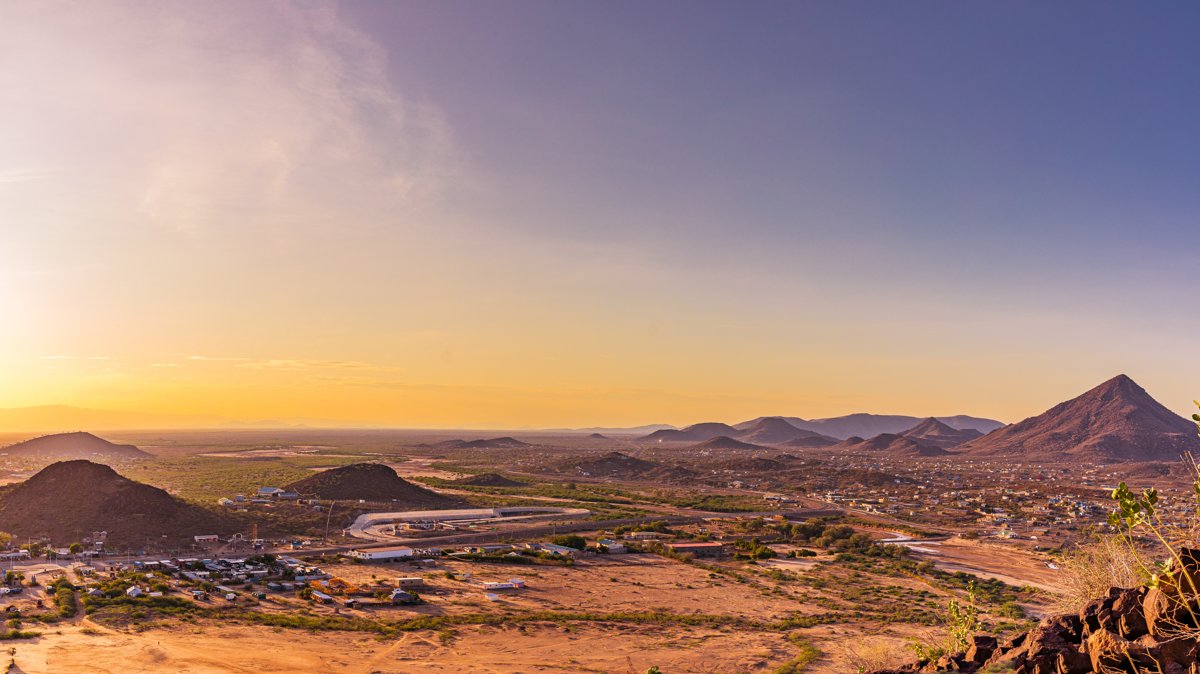
North of the equator, Kenya changes character entirely. The fertile highlands give way to semi-arid scrubland, then to true desert — a vast, sun-bleached expanse stretching toward the Ethiopian and Somali borders. This is one of the least-visited parts of Africa, and one of the most compelling for travellers willing to accept its challenges.
The region is home to peoples who have had minimal contact with mainstream Kenyan life: Turkana, Samburu, Marakwet, Pokot, and El Molo communities who still depend on herding and fishing. Their way of life, and the extraordinary desert landscapes around Lake Turkana — the world's largest permanent desert lake — are the main draws.
Travel here is not casual. Banditry and inter-tribal livestock raiding (now often involving automatic weapons) make parts of the region genuinely dangerous, particularly east of Lake Turkana. Independent travel north of Samburu National Reserve is inadvisable without local knowledge and, in some areas, an armed escort. Organised tours running 8-day circuits with escorts cover the eastern lake shore and some of the most dramatic desert scenery in the country.
The western side of Lake Turkana is considerably safer and accessible independently. The town of Lodwar is the main base; from there you can reach the lake shore for camping. The annual Maralal International Camel Derby each July brings an unusual burst of festivity to an otherwise quiet highland town.