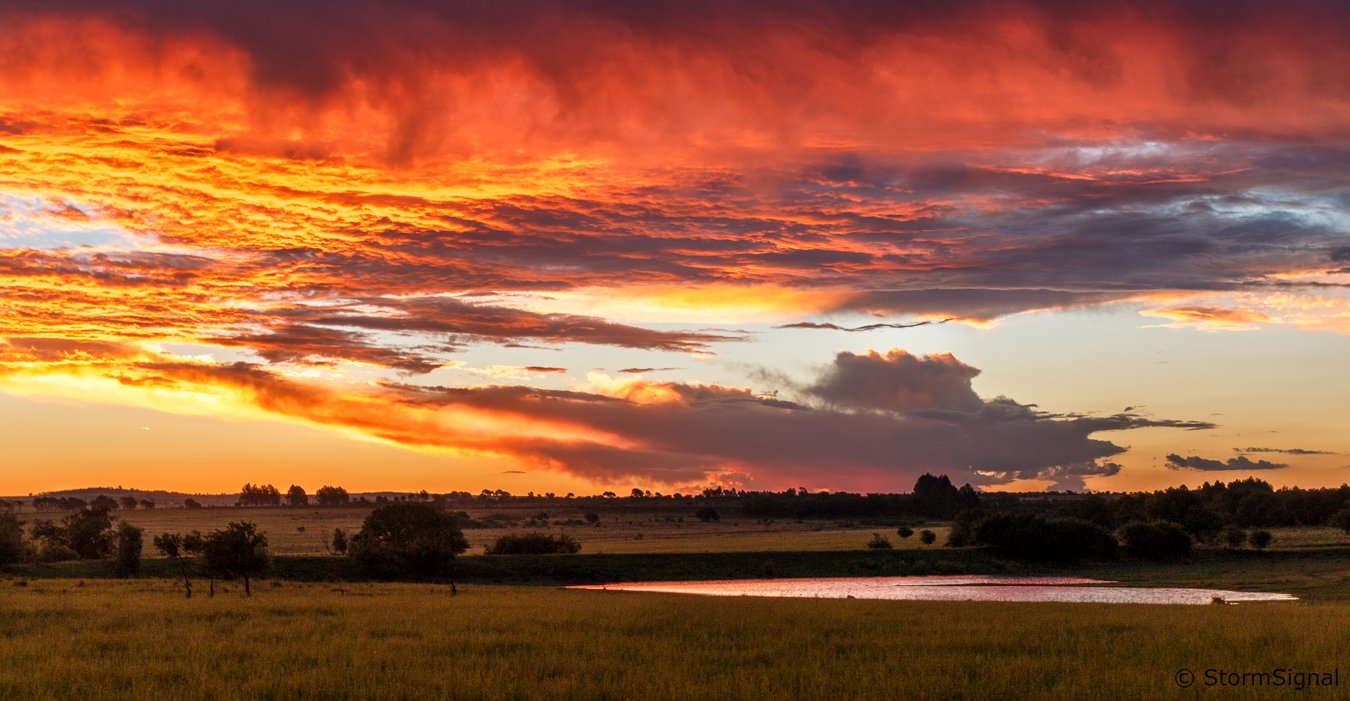
Gauteng is South Africa's smallest province by area but its economic engine — a dense, fast-moving region on the Highveld plateau that produces roughly a third of the country's GDP. It contains two of South Africa's most important cities: Johannesburg, the commercial capital, and Pretoria, the administrative capital. Despite covering barely 1.5% of the country's land, it is home to around a quarter of its population.
The name comes from the Sotho word for "place of gold," a reference to the gold rush of the 1880s that turned a patch of Highveld scrub into one of the world's great industrial cities in the space of a generation. The mines that made Johannesburg are mostly gone now, but the money they generated shaped everything that came after — the sprawling suburbs, the highways, the fortress-like security walls, the stark inequalities between township and leafy northern suburb.
Beyond the cities, Gauteng has more to offer than visitors often expect. The Cradle of Humankind, a UNESCO World Heritage Site about 50 kilometres west of Johannesburg, contains some of the most significant early hominid fossil sites in the world, including the Sterkfontein Caves. The Magaliesberg mountains to the northwest provide a weekend escape of valleys, rivers, and hiking country that Johannesburg residents treat as their own backyard.
Getting around the province without a car is genuinely difficult. The Gautrain connects Johannesburg's OR Tambo International Airport to the city centre and on to Pretoria, but much of the region requires a vehicle. Crime is a real concern in parts of Johannesburg; the usual precautions apply, and your hotel can advise on which areas to avoid and which are safe to walk.