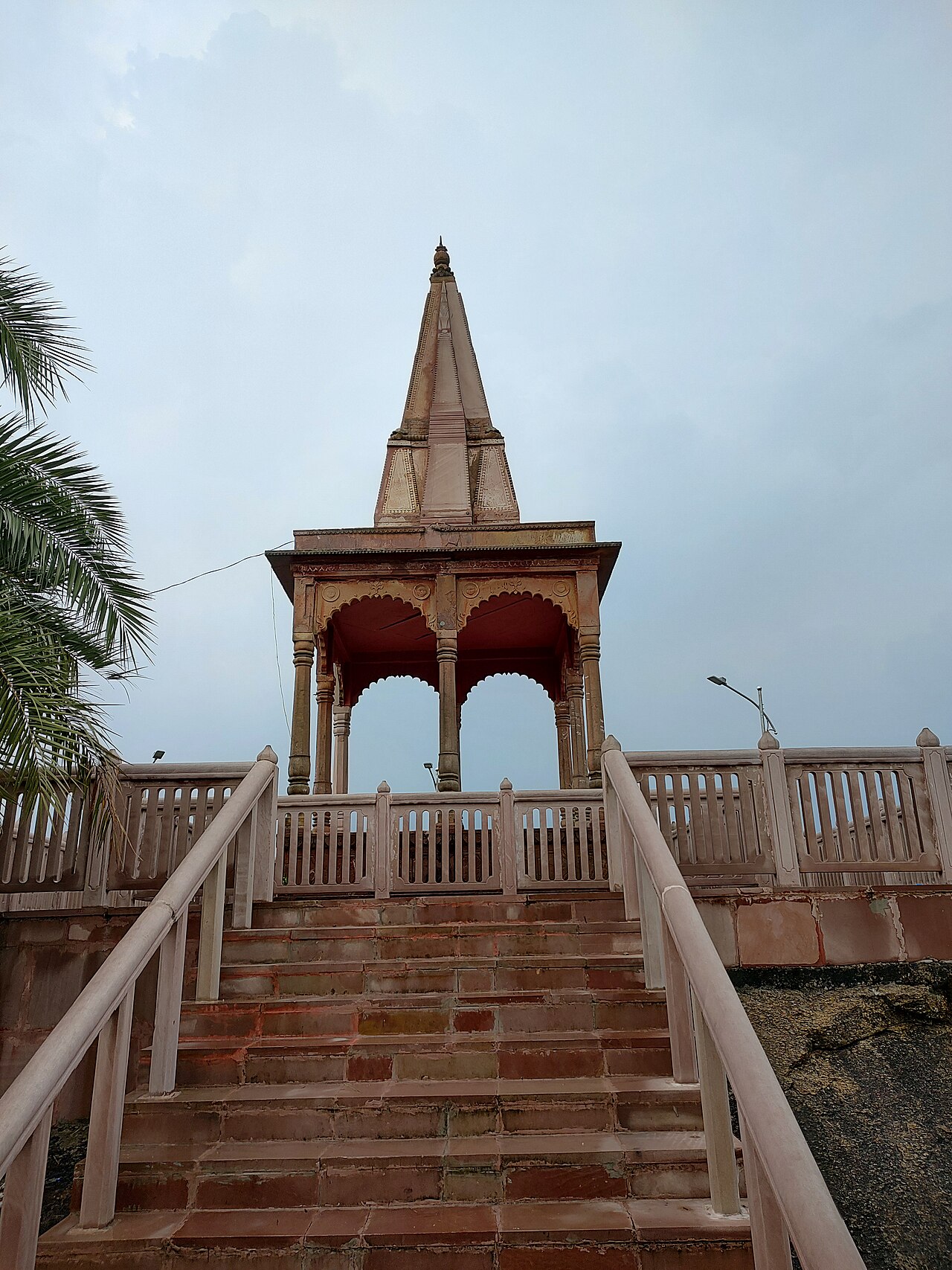
Jharkhand is a state in eastern India, carved out of the southern half of Bihar in the year 2000 after a century-long campaign by its mostly tribal population for self-rule. The name means "land of forests," and that is still the best way to understand the state: a plateau of sal and mahua woodlands, red-earth hills, and the world's largest concentration of Adivasi (tribal) communities in India — the Santhal, Munda, Ho, and Oraon peoples who have lived here for longer than written history, and whose languages, music, and drumming are still as present as they are anywhere in the country.
This is also India's minerals powerhouse. Jharkhand sits on roughly 40 percent of the country's mineral wealth: coal, iron ore, copper, mica, and bauxite. Jamshedpur, in the south-east, was built from nothing in 1908 around Tata Steel and is one of the cleanest and most planned cities in India — a strange, green, company-town oasis in the middle of iron country. Bokaro and Dhanbad are the other industrial centres. Ranchi, the state capital, sits at a cooler elevation on the plateau and is the base for most visitors, with the Tagore Hill (where Rabindranath's brother built a hilltop retreat) and the small Tribal Research Institute museum worth a half-day each.
The real draw for travellers, though, is the country beyond the cities. Betla National Park in Palamau district is one of India's older tiger reserves — it was the site of the world's first tiger census in 1932 — and although tiger sightings are rare today, the forests are thick with leopards, sloth bears, and elephants. Netarhat, three hours west of Ranchi at 1,128 metres, is a cool-climate hill station known for its spectacular sunrises and sunsets, and its old boarding school. Parasnath Hill, in the east of the state, is the highest point in Jharkhand at 1,365 metres and one of the most sacred sites in Jainism — twenty of the twenty-four Jain tirthankaras are said to have attained moksha here, and the pilgrimage path up the hill passes a string of white marble temples. Deoghar, in the far north, is one of the twelve jyotirlinga sites sacred to Shiva, and during the month of Shravan (July–August) it receives one of the largest pilgrimages in India, with lakhs of devotees walking the 100 km from Sultanganj carrying Ganges water.
Jharkhand is rarely on any foreign traveller's itinerary, which is part of the interest — come here for the forests, the tribal markets, and a part of India that still feels a long way from the tourist trail.