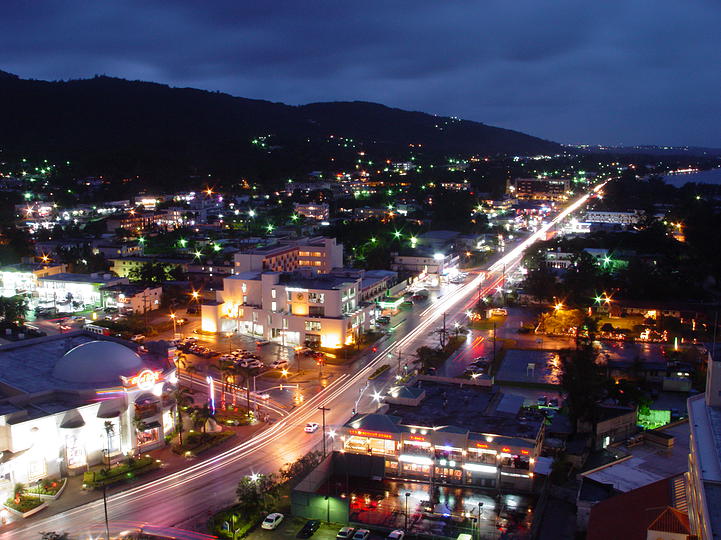
The Northern Mariana Islands are a chain of fifteen islands in the western Pacific, a US commonwealth that stretches 750 kilometres from just north of Guam to the vicinity of Japan. The three inhabited islands — Saipan, Tinian, and Rota — each have a distinct character, though all share the warm water, coral reefs, and heavy World War II history that define the archipelago.
Saipan is the capital and the hub, with the main airport and most of the infrastructure. The Battle of Saipan in 1944 was one of the bloodiest Pacific engagements; the cliffs at the north of the island, now called Suicide Cliff and Banzai Cliff, are sobering memorials. Tinian is smaller and quieter, but historically just as significant: the bomb pits from which the Enola Gay took off in August 1945 are preserved as a National Historic Landmark. Rota, the southernmost inhabited island, is the least developed and the most serene, with excellent diving and a slow pace of life that the other islands have largely lost.
Getting between the islands means short flights or, occasionally, ferry. A car is essential on each island — public transport is minimal — but roads are manageable and distances short. The Chamorro people are the indigenous inhabitants; their culture, language, and food survive alongside a significant Filipino and Korean diaspora that has shaped the islands' character over the past decades.