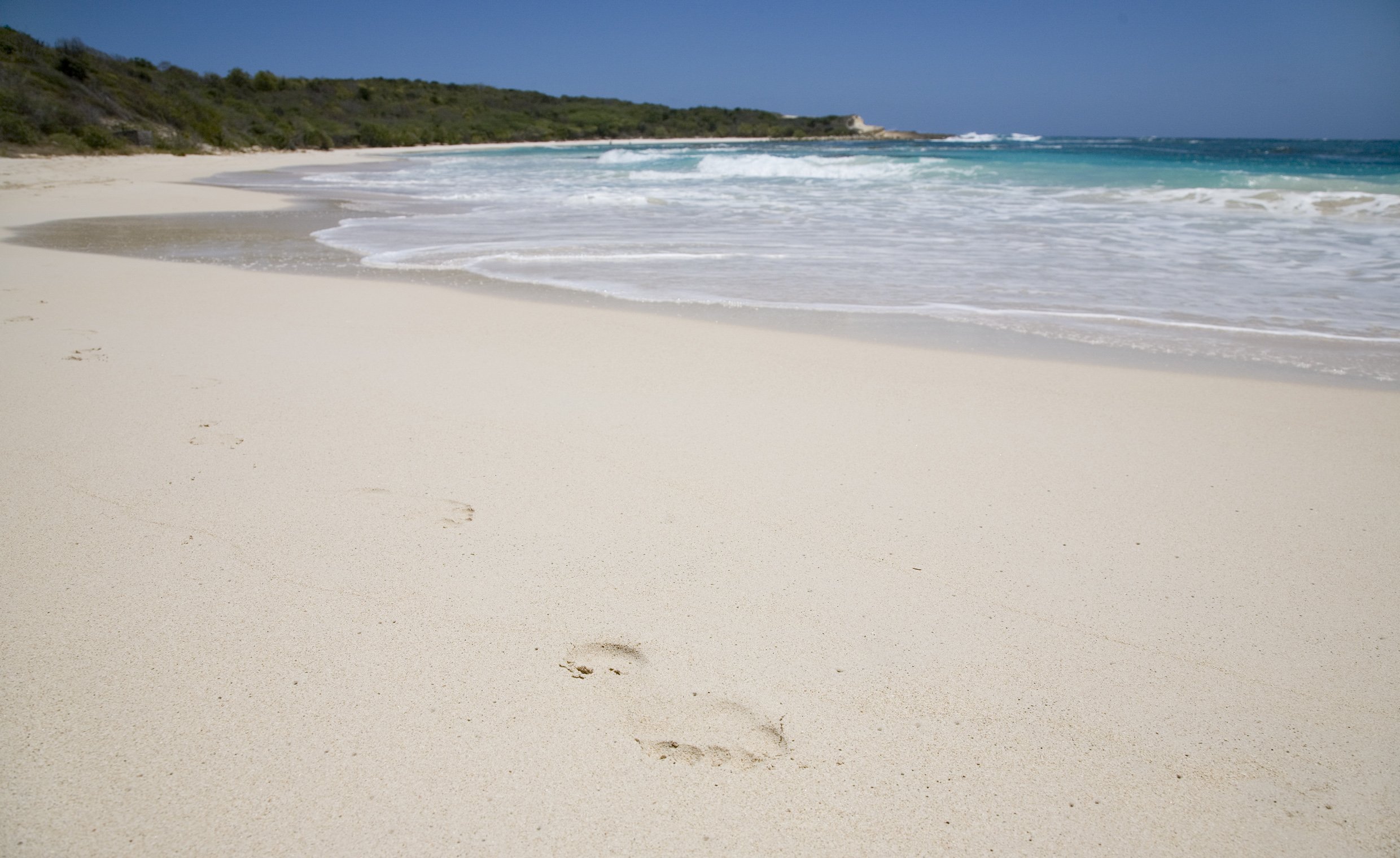
Antigua and Barbuda is a twin-island nation in the eastern Caribbean, about halfway along the arc of the Lesser Antilles between Puerto Rico and Trinidad. The two islands could hardly be more different. Antigua, with around 80,000 people, is the hub — busy, well-developed, and ringed by 365 beaches (one for every day of the year, so they say). Barbuda, just 40 km to the north, has fewer than 2,000 inhabitants, no traffic lights, and some of the best undisturbed beaches in the Caribbean. Both are flat, dry, and coral-ringed in the manner of the eastern Caribbean islands.
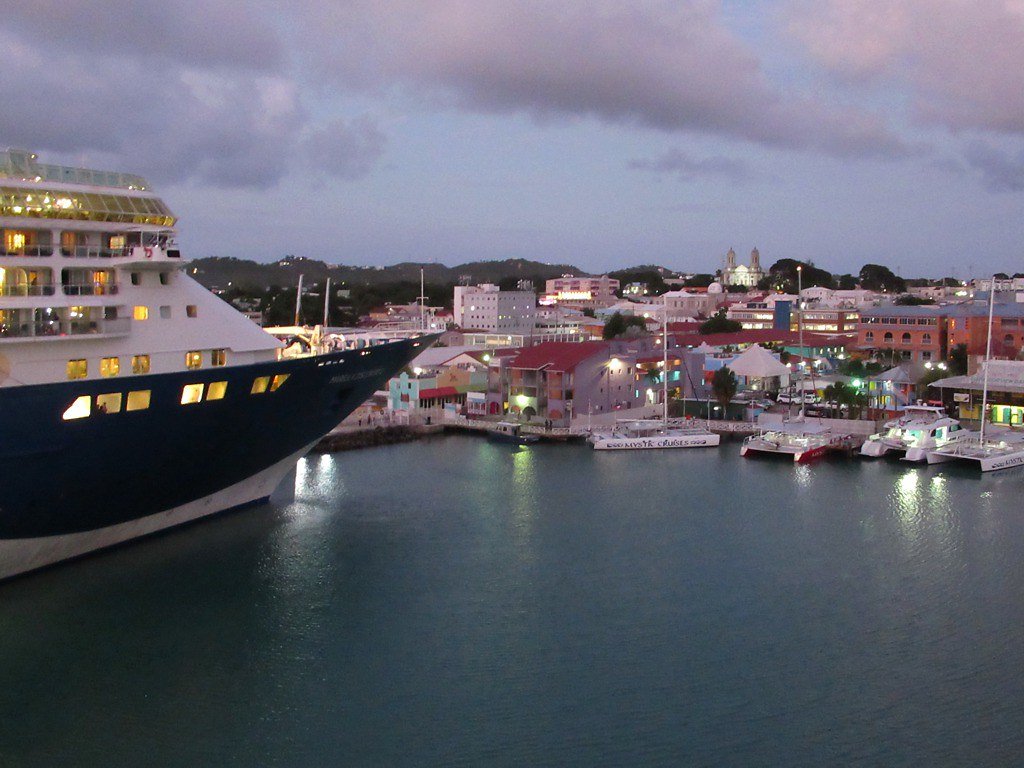
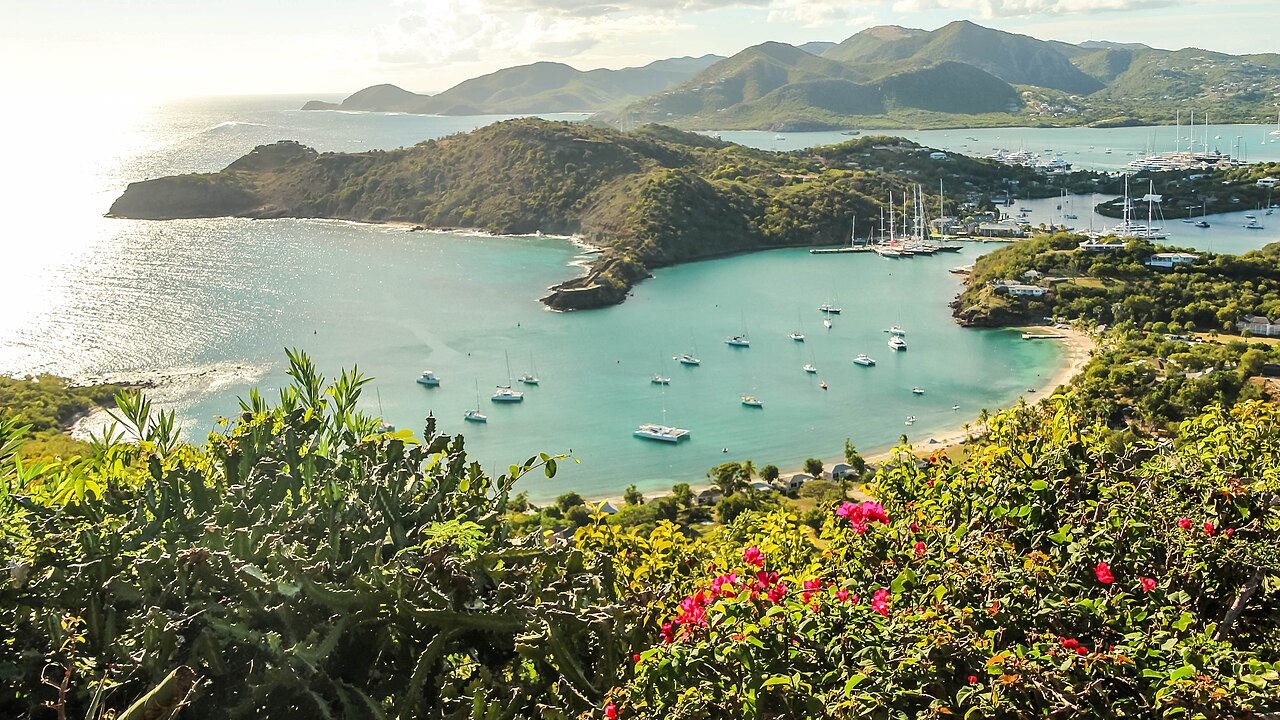
The country was a British colony from the 17th century until independence in 1981, and traces of that history are everywhere. English Harbour on Antigua's south coast was one of the Royal Navy's most important Caribbean bases; Nelson's Dockyard, now a UNESCO World Heritage Site and still a working marina, is the best-preserved Georgian naval yard in the world. St John's, the capital, has a lively market and the twin-towered Cathedral of St John the Divine, rebuilt in the 19th century. The island's Indian and African sugar plantation history, which funded much of Britain's 18th-century prosperity, is a story told at Betty's Hope, the ruins of a twin-mill sugar estate.
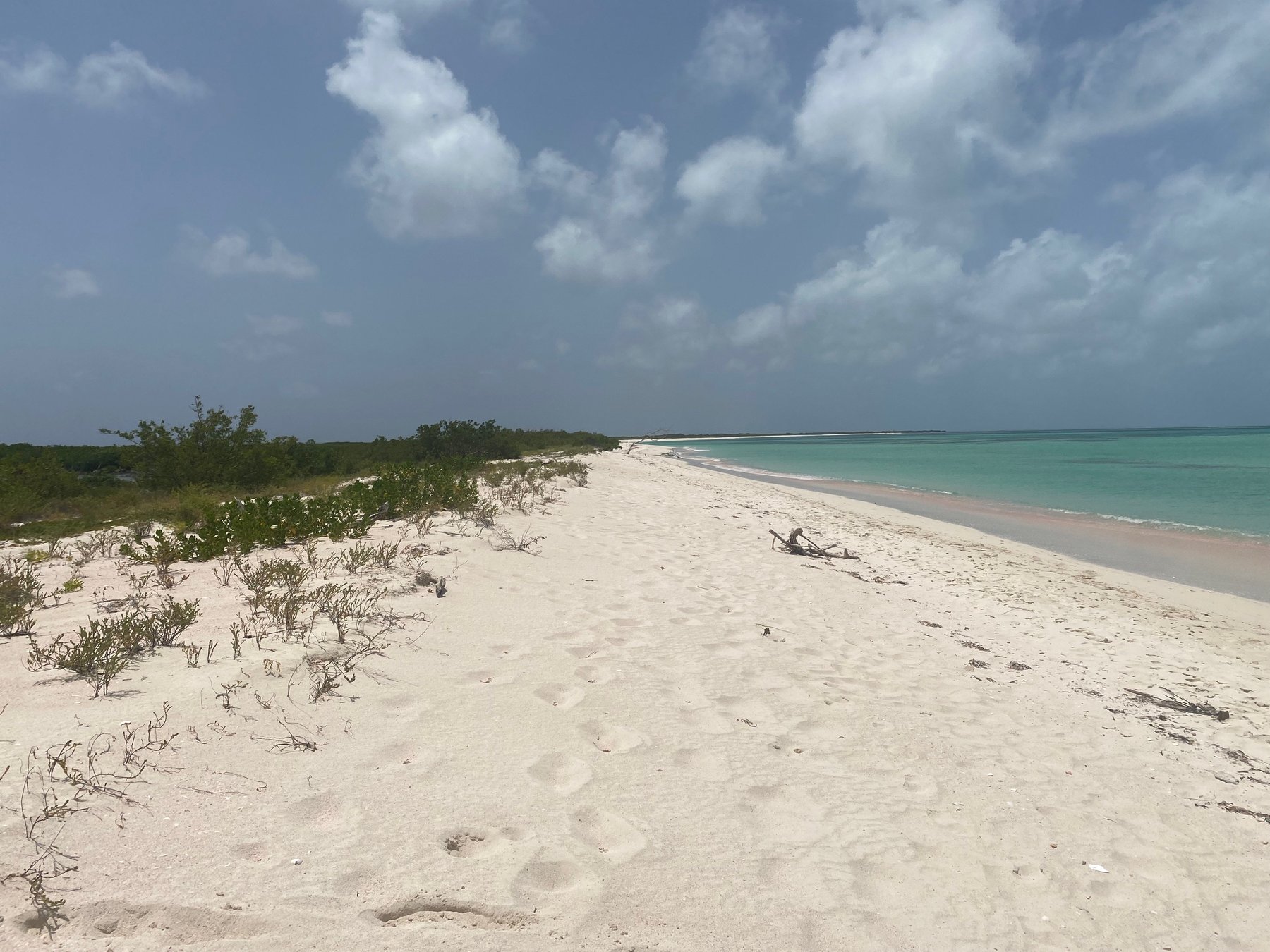
Barbuda is worth the short flight or ferry for its Frigate Bird Sanctuary — the largest breeding colony of magnificent frigate birds in the Caribbean, visible from small boats in the lagoon — and its vast Pink Sand Beach, eleven kilometres of virtually deserted shoreline on the western side. The island was devastated by Hurricane Irma in 2017 and the rebuilding has been slow; check current conditions before visiting.