Saint Barthélemy
©
Saint Barthélemy

Saint Barthélemy

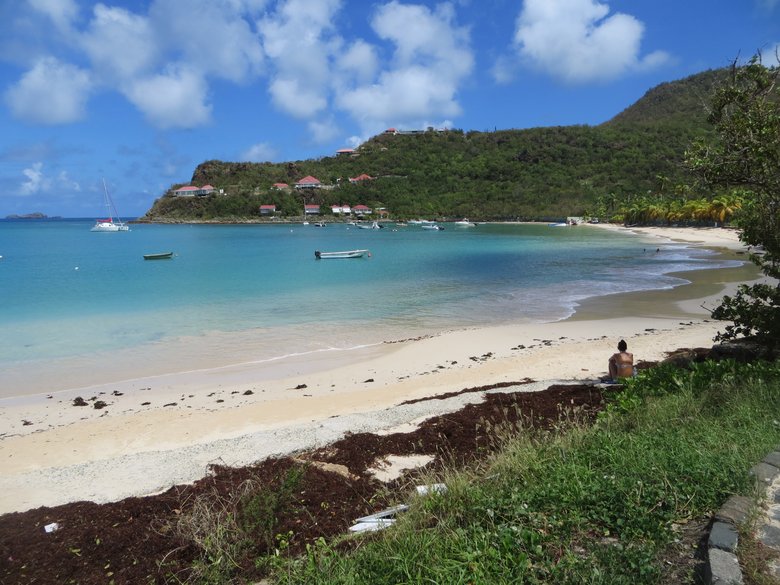
Small French Caribbean island of steep hills, Gustavia harbour, expensive restaurants, and white-sand beaches.

Saint Barthélemy (St. Barts) is a French overseas collectivity in the Lesser Antilles — a small, hilly island of around 25 square kilometres with 22 beaches, over 80 restaurants, and a population of about 10,600. It has been a winter destination for the wealthy and famous for decades, and the island knows it: prices are high, the yachts in Gustavia harbour are impressive, and New Year's Eve is one of the Caribbean's more spectacular annual events. None of this makes it less worth visiting if you can afford it.

The island's capital, Gustavia, was founded by Sweden when France ceded the island in 1784 in exchange for trading rights at Gothenburg. Sweden held it for nearly a century, naming the harbour after King Gustav III and building the stone warehouses that still line the waterfront. A referendum returned the island to France in 1878, but the Swedish chapter left its mark — three crowns appear in the island's crest, the capital kept its name, and Swedish-origin family names survive. The Wall House museum covers this unlikely history.

The beaches are the main event. Anse des Flamands is the longest and least developed. Gouverneur requires a steep road and rewards with seclusion. Saline is reached by a short walk over a salt pond and has a clothing-optional tradition. St. Jean, near the airstrip, is more social. The airport itself is famous — Gustaf III Airport has a runway of 650 metres, and the approach over a hill makes landings memorable. There are no direct flights from North America or Europe; most visitors connect through Sint Maarten or San Juan.

North America > The Caribbean > Saint Barthélemy

Guide

Getting Around

There is no public transport on St. Barts. No buses, no shared minivans, no Uber. The island is small enough that this isn't a problem if you rent a car.

Car rental is the standard approach and the most practical. Several rental companies operate at the airport and in Gustavia, with rates starting around €33–40 per day for a small car. Reserve in advance during high season — availability genuinely runs out. The roads are narrow and hilly, with tight switchbacks and limited signage. Driving is on the right. Many of the best beaches require driving up and over ridges on single-lane tracks. A small car handles these better than a large one.

Scooters and mini-mokes (open-sided buggies) are popular alternatives. They're fun, cheaper than cars, and well-suited to the terrain and climate, but leave you exposed on the narrow roads. Helmets are required for scooters.

Taxis exist but are limited in number and expensive even by island standards. Two taxi stations: one at the airport and one at the Gustavia dock. Pre-booking a day in advance is advisable if you need one at a specific time, especially for airport transfers at odd hours.

The island is 25 square kilometres in total. Driving from Gustavia to the far end of the island takes about 15 minutes. Once you're oriented, the scale is manageable.

Guide

Getting There

Getting to St. Barts takes effort. There are no direct flights from North America or Europe: the runway at Gustaf III Airport (SBH) in St. Jean is famously short — about 650 metres — and only handles turboprop aircraft seating 19 passengers or fewer. The approach over a hill and the rapid descent make it one of the more memorable landings in the Caribbean. Flights operate in daylight hours only.

Via Sint Maarten (SXM): The main gateway. Princess Juliana International Airport on the Dutch side of Sint Maarten has direct connections from the US, Canada, and Europe, with over 20 airlines serving it. From there, Winair (Windward Islands Airways) operates the 15-minute hop to St. Barts multiple times daily. Book early during high season — seats are limited and flights fill up.

Via San Juan (SJU): Tradewind Aviation runs scheduled service between Luis Muñoz Marín International Airport in Puerto Rico and SBH. San Juan has a dedicated terminal area for these connections that makes the transit reasonably smooth. Flight time is around an hour.

By ferry: The Voyager catamaran service (operated by Compagnie Maritime West Indies) connects St. Barts to both the French and Dutch sides of Saint Martin, making the crossing in roughly 45 to 75 minutes depending on conditions. Typically two departures daily in each direction, with additional sailings during peak season. The crossing can be rough if the trades are up; seasickness tablets are not a bad idea. Book ahead during December through April.

Arriving: Customs and immigration at SBH is a small operation. All visitors need a valid passport (minimum six months remaining validity). Americans, Canadians, and EU citizens do not need a visa for stays up to 90 days. Other nationalities may need a French visa — check with the French embassy before travelling, as this is a French overseas collectivity rather than metropolitan France, and the specific visa category matters. A return or onward ticket is required of all visitors. No vaccination requirements unless you're arriving from a yellow fever endemic country.

Guide

When to Go

St. Barts has two seasons: a dry season from roughly December to April, and a wet season from May through November that coincides with the Atlantic hurricane season.

December to April is high season. The weather is at its best — temperatures hover around 26–28°C, trade winds keep things comfortable, rainfall is minimal (40–50mm per month in the driest stretch), and the sea is calm and clear. This is when the island is at full throttle: New Year's is the peak of the peak, with prices and occupancy at their highest. The Carnival runs over the days leading up to Fat Tuesday in February or March. The sailing regattas — Bucket and Les Voiles — take place in April. If you can only go once and money is not the primary concern, January through early April is the best window: weather reliable, island alive, but quieter than the holiday crush.

May to June offers an underrated window. The crowds thin out after Easter, prices drop, the weather is still good (warming slightly, some afternoon showers), and most businesses remain open. These months have the best combination of decent weather and relative peace.

July to November is low season and hurricane season. Temperatures reach 30–32°C and humidity rises. Short, sharp tropical showers are common, though they often pass quickly. From August through October, hurricane risk is real — not likely on any given day, but the season's storms track through this part of the Caribbean and the island took a direct hit from Hurricane Irma in September 2017, causing substantial damage. The island has largely recovered, but the risk exists. Travel insurance is essential if you visit in this window.

Water temperature is pleasant year-round, ranging from about 26°C in February to 29°C in September. Swimming is good in all months.

The island follows French public holidays — Bastille Day (July 14) and St. Barthélemy Day (August 24, the island's patron saint day) are both worth knowing about if you're there at the time.

thecaribbean