Pantanal
©
Pantanal

Pantanal

Vast tropical wetland in western Brazil, renowned for open landscapes and visible wildlife.

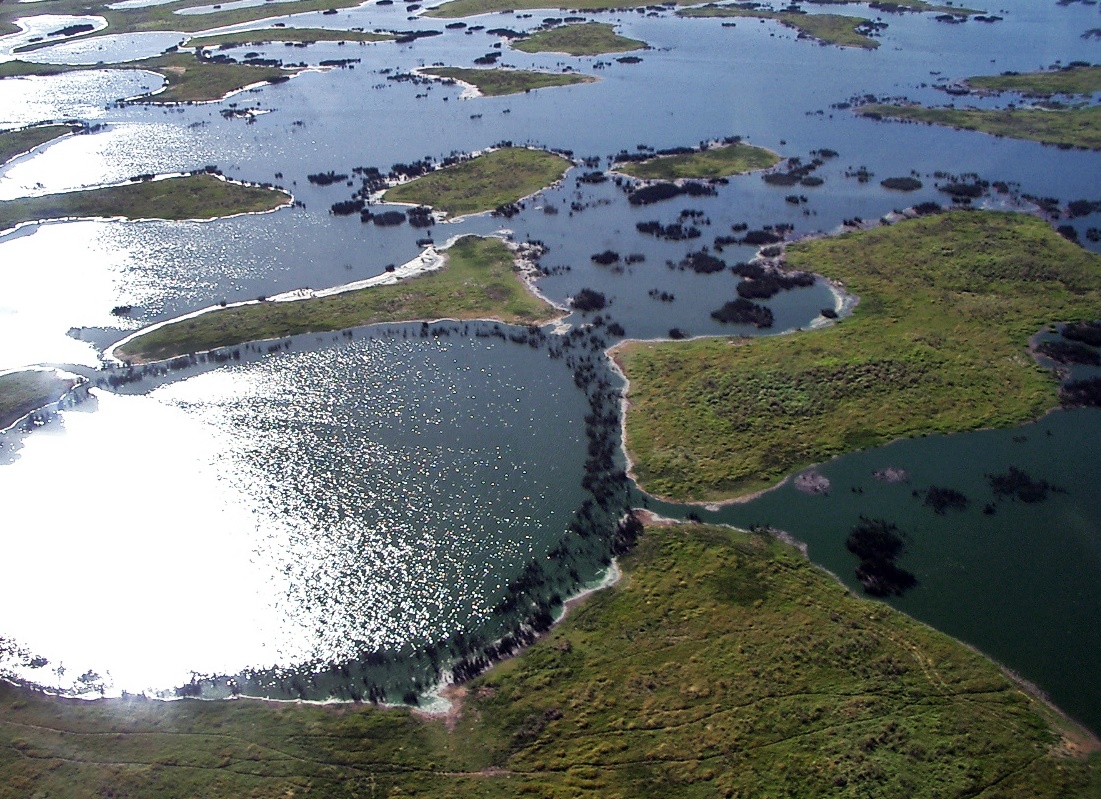
The Pantanal is the world's largest tropical wetland, stretching across roughly 200,000 square kilometres in western Brazil (mainly Mato Grosso and Mato Grosso do Sul) and spilling into Bolivia, Paraguay and Argentina. UNESCO recognises it as a World Heritage Site and Biosphere Reserve. While the Amazon gets more attention, wildlife watchers consistently rate the Pantanal as the better destination: the open savanna-wetland landscape means animals are far easier to spot than in dense rainforest.

The wetland floods seasonally. From December to March, rains transform the plain into a vast inland sea — the historic name was the "Xaraés Ocean". The floodwaters concentrate fish and attract extraordinary densities of birds, caimans and capybaras. As waters recede between April and June, wildlife gathers around remaining pools and channels, making this the prime season for wildlife photography. August to October is the classic fishing season, when migratory fish ("lufada") return to the rivers.

The best base towns are Aquidauana, Corumbá, Coxim, Miranda and Porto Murtinho — traditional cattle-ranching communities ("pantaneiros") that have embraced eco-tourism. From these towns you can arrange boat trips, horse rides, night safaris to spot caiman eyes glowing in the dark, and guided birdwatching. The Caiman Ecological Refuge near Miranda is among the best-regarded operations for wildlife encounters.

Near the southern Pantanal, the town of Bonito is a separate but complementary destination: crystal-clear rivers fed by limestone springs allow snorkelling among shoals of fish, and the Blue Lake Cave is one of Brazil's geological wonders.

Guide

Getting There

The main gateways are Campo Grande (in Mato Grosso do Sul) and Cuiabá (in Mato Grosso), both served by domestic flights from São Paulo and other Brazilian cities. From Campo Grande, towns like Miranda, Aquidauana and Corumbá are 1–3 hours by bus or car. From Cuiabá, the Transpantaneira road (MT-060) runs south through the northern Pantanal to Porto Jofre — a classic overland route with wildlife visible from the road itself.

By road from Cuiabá you can also reach Cáceres via MT-070, or Barão de Melgaço via BR-364 and MT-361. For a more adventurous approach, river boats run between Cuiabá and Barão de Melgaço along the Cuiabá River, and from Cáceres into the Pantanal via the Paraguay River.

Guide

Things to Do

The Pantanal rewards patient, curious travellers. Wildlife watching is the main draw — caimans, capybaras, giant otters, tapirs, anteaters, and a staggering variety of birds including the jabiru stork, hyacinth macaw, and tuiuiú. Guided boat trips along the rivers, horse rides into the wetland, and night safaris (spotlighting caiman eyes in the dark) are all standard offerings from the eco-lodges and base towns.

Guide

When to Go

April to June is the sweet spot for wildlife watching. As the floodwaters recede, animals concentrate around shrinking pools and channels, making them exceptionally easy to observe and photograph. Temperatures are pleasant and the landscape is at its most dramatic.

August to October is peak fishing season. The migratory "lufada" — when fish return upriver — draws anglers from across Brazil. Wildlife remains abundant and accessible.

December to March is the wet season: heavy rains cause widespread flooding that can cut roads and make many lodges inaccessible. Some river-based lodges remain open and offer a different perspective on the flooded plain, but access is limited.

July is the driest month and increasingly popular, though it can get cold at night — bring a jacket.