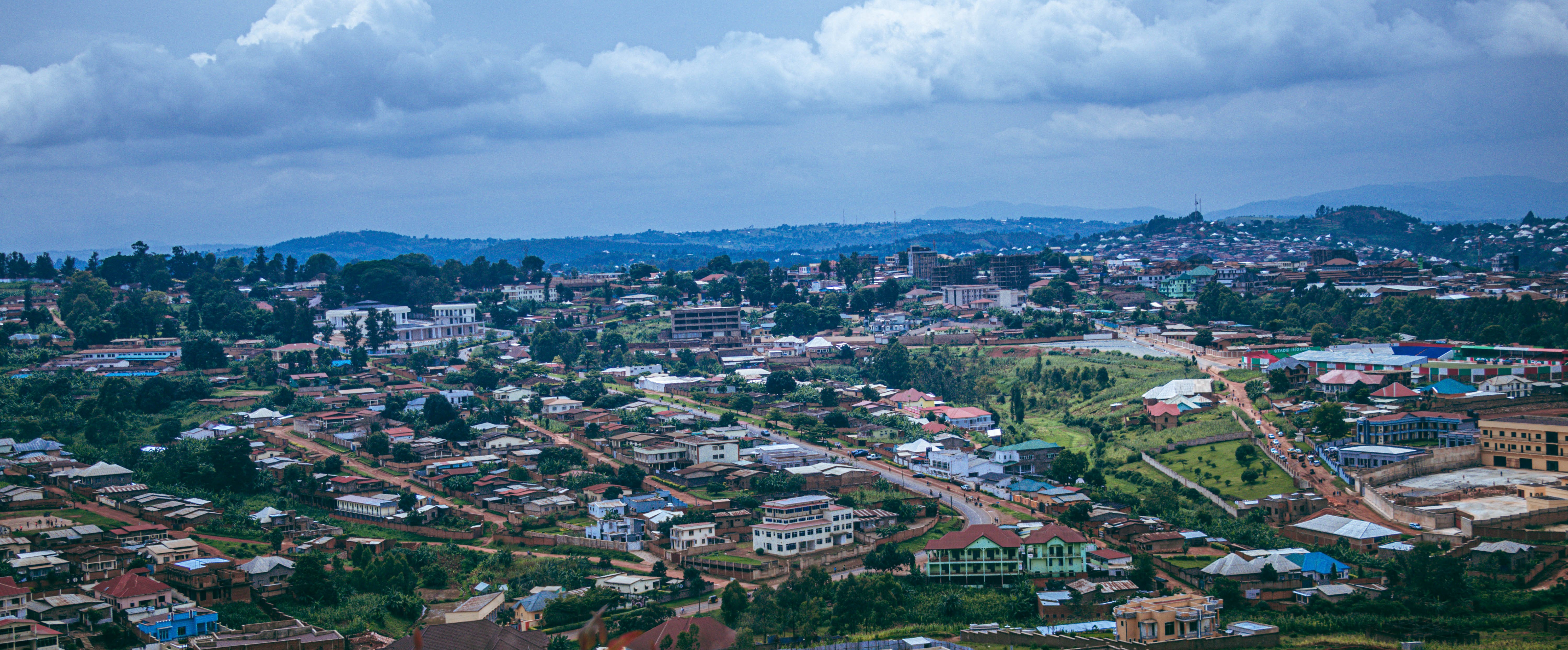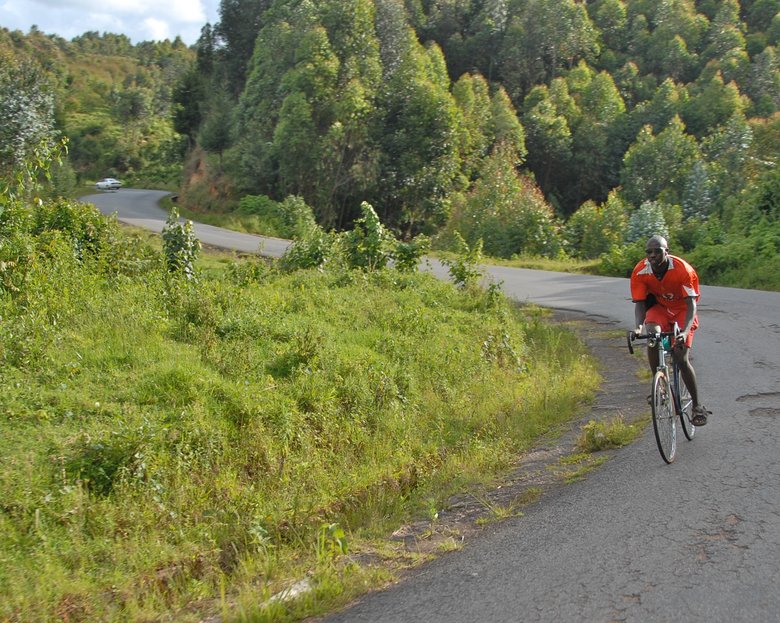
Burundi is one of Africa's smallest countries and one of its least visited. Tucked into the heart of the continent between Tanzania to the east, Congo Kinshasa to the west, and Rwanda to the north, it sits on the great African Rift Valley with Lake Tanganyika shimmering along its western border. The landscape is stunning -- green, hilly, and dramatic -- earning it the nickname "the heart of Africa."
The country's modern history has been shaped by ethnic conflict between Hutu and Tutsi communities, a civil war that ran from 1993 to 2005, and political instability that has continued in various forms since. Burundi remains one of the poorest countries in the world, and infrastructure outside the main cities is basic. This is not a destination for casual tourists. But for travelers who are comfortable with difficulty and uncertainty, Burundi offers something rare: landscapes and experiences almost entirely untouched by tourism.
Bujumbura, the economic capital, sits on the shores of Lake Tanganyika and is the country's largest city and main gateway. Its lakeside setting is genuinely beautiful, and the city has a handful of restaurants, bars, and beaches that make it a reasonable base. Gitega, in the center of the country, became the political capital in 2019 and is home to the National Museum of Gitega, the best place to understand the country's history and the tradition of the royal drummers.
Beyond the cities, Burundi's real draw is nature. Kibira National Park blankets the mountains of the Congo-Nile Divide with dense montane forest. The Rusizi National Park, just north of Bujumbura, is home to hippos, crocodiles, and rich birdlife in its river delta wetlands. And near the southern town of Rutovu, a modest pyramid marks what Burundians claim as the southernmost source of the Nile -- one of several competing claims, but a moving place to visit regardless.
A note on safety: Travel advisories from the US, UK, and Australia all urge caution or recommend against travel to parts of Burundi. The security situation has improved since the civil war, but political tensions, occasional armed incidents, and crime remain real concerns. The border areas with Congo are particularly unstable, and the Rwandan border has been periodically closed. Check current advisories before planning a trip, register with your embassy, and travel with local contacts or a reputable guide. Be honest with yourself about your risk tolerance.