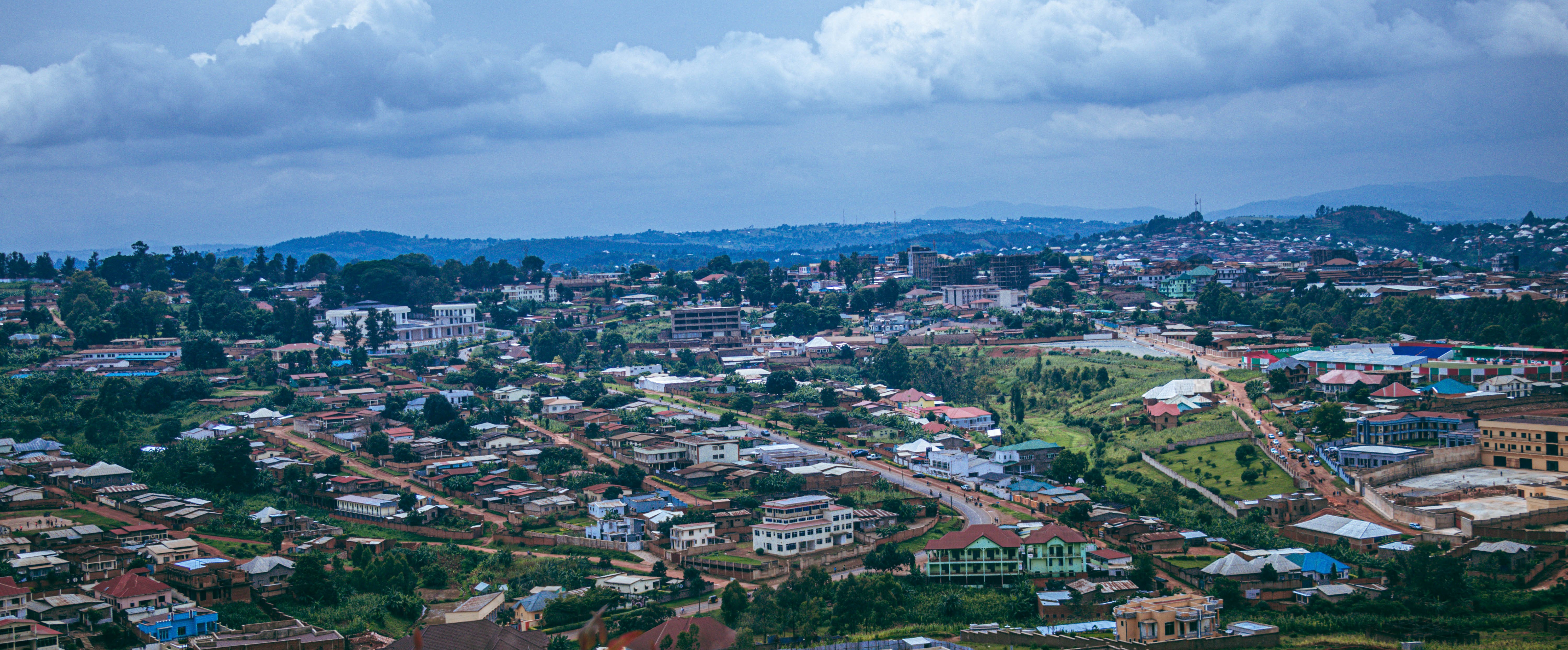
Gitega
©
Gitega

Gitega

Highland Burundian city around 1,800 metres, known for the National Museum and royal drumming traditions

Gitega became Burundi's political capital in 2019, taking over from Bujumbura, though in practice the larger lakeside city retains most of the country's economic and diplomatic activity. Gitega sits in the hilly center of the country at around 1,800 meters, giving it a cooler, more temperate climate than the lakeshore.

The main reason to visit is the National Museum of Gitega, which houses the country's most important collection of historical and ethnographic objects. The exhibits on royal drumming traditions are particularly good, and the Royal Drummers of Burundi — whose Karyenda tradition is UNESCO-inscribed — can sometimes be seen performing near the museum. The Cathedral of Christ the King on its hill is the town's other landmark.

Gitega has a more traditional, slower feel than Bujumbura. The town itself is compact and walkable, with a lively central market and a few basic guesthouses and restaurants. It makes a useful stopover if you are traveling between Bujumbura and the east of the country, or heading south toward the Source of the Nile at Rutovu.

Local tip

Gitega became Burundi's political capital in 2019, taking over from Bustling Bujumbura on the lake. It is small, calm and central, set in the green highlands. The National Museum holds royal drums — and the sacred drum sanctuary at nearby Gishora is the real draw, where drummers perform a thunderous, dancing ritual.

Guide

Getting Around

Gitega is a compact town and most of the main sights — the National Museum, Christ the King Cathedral, and the central market — are within walking distance of each other. The town centre can be explored on foot in an hour or two.

Motorcycle taxis (moto-taxis) are the standard form of local transport and are inexpensive. Agree on the fare before getting on. They can take you to the National Museum (about 2 kilometres from the centre), the cathedral, and other points too far to walk comfortably.

A taxi can be hired for a half-day to cover the main attractions including the royal drummers' site, which is outside the town centre. Arrange this through your guesthouse or through local contacts. Fuel and driver costs in Burundi are modest by regional standards.

Guide

Getting There

Gitega is about 100 kilometres east of Bujumbura on a paved road that is generally in reasonable condition. Minibuses and shared taxis run frequently between the two cities throughout the day; the journey takes two to three hours depending on stops and traffic. Depart from Bujumbura's main bus stations (Marché Central area) in the morning for the most options.

Gitega Airport (GID) has a basic runway and some light aircraft services, but scheduled commercial flights are limited and unreliable. Almost all visitors arrive by road from Bujumbura.

From Gitega it is possible to continue by road south toward Rutovu and Bururi, or east toward Ruyigi and the Tanzanian border. These routes are on paved roads of varying quality; shared transport exists for most major towns.

Guide

Things to Do

Gitega is a compact town and its main sights can be seen in a day. The National Museum is the essential stop — the best collection of Burundian cultural objects in the country, with excellent material on royal drumming traditions. Combined with a visit to the royal drummers if one can be arranged, this takes a morning.

The Cathedral of Christ the King on its hill is worth visiting for its position and its historical weight as the seat of the Archbishop of Gitega. The central market is the other essential stop: it is the heart of the town and gives a truer sense of Gitega's daily character than anything else.

Day trips from Gitega can extend into the surrounding hills — the landscape is rolling, green, and relatively cool. The Source of the Nile at Rutovu is about 80 kilometres south; the drive passes through beautiful highland scenery.

Guide

When to Go

Gitega sits at around 1,800 metres above sea level, which gives it a pleasantly temperate climate relative to Bujumbura on the lake. Temperatures are mild year-round, ranging from 15–25°C, and the altitude means nights can be cool even when days are warm.

The dry seasons are June to September and December to February. The short rains typically fall in October to November, and the long rains run from March to May. The dry months are more comfortable for travel and road conditions are better. June to September is generally considered the best time to visit Burundi overall — Gitega is pleasant throughout these months.

Political and security conditions in Burundi affect travel more than weather; check the current situation before planning a visit. The country has a history of political volatility, and the advice of your government's foreign travel service should be consulted alongside any practical planning.