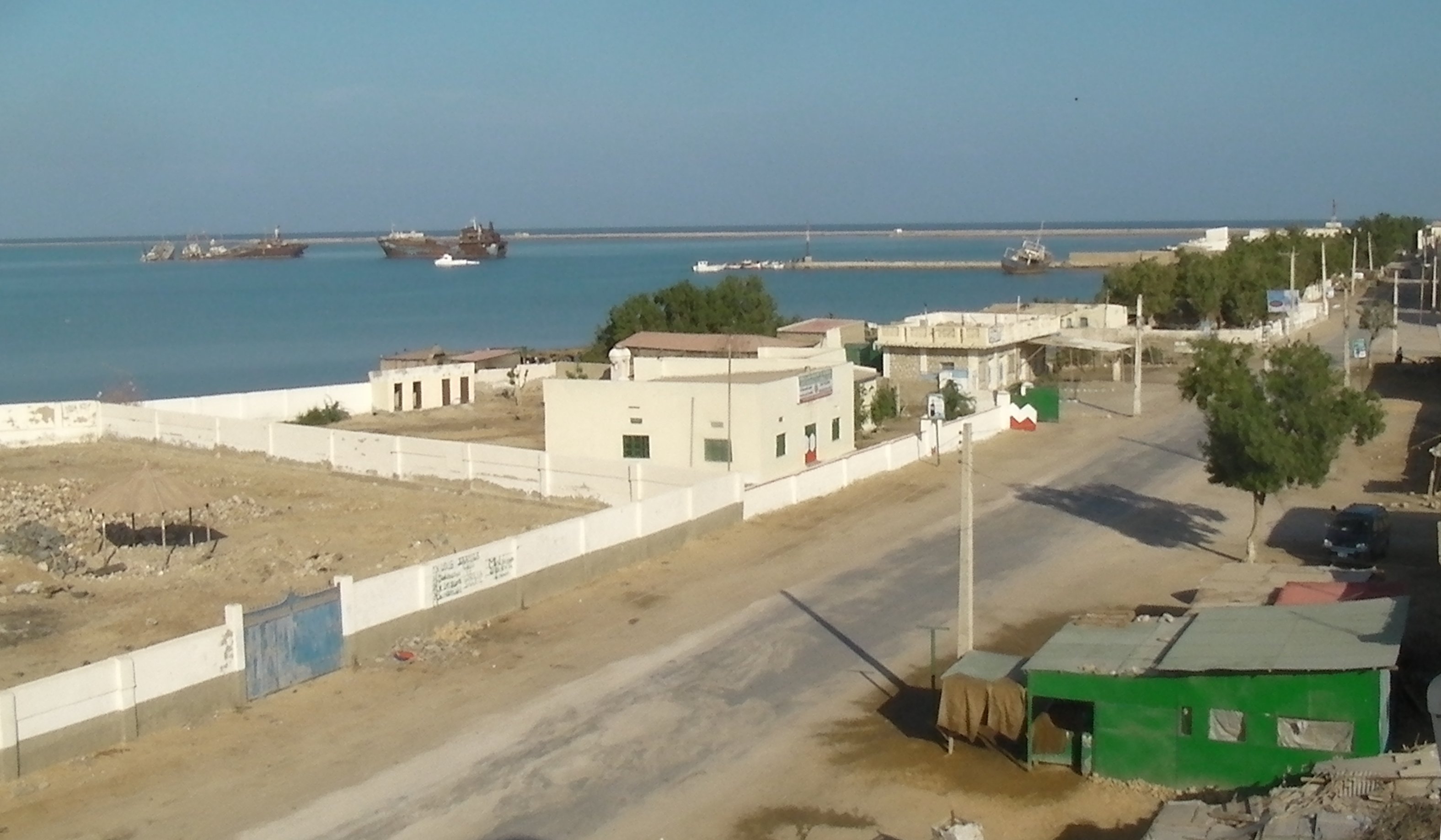
Gulf of Aden port city where Somaliland's trade meets hot beaches and offshore shipwrecks.
Berbera is a coastal city on the Gulf of Aden in the northwestern corner of Somaliland — hot, port-dominated, and quietly important to the economy of the Horn of Africa. It is not an easy place to visit, but travellers who make the effort find one of the finest beaches in East Africa, a functioning deep-water port that handles a substantial share of landlocked Ethiopia's trade, and shipwrecks lying in snorkellable depths just offshore.
The port was built up by the Somali government in the 1970s and 1980s, when it served as a deep-water hub capable of handling large oil tankers. It also served briefly as a Soviet naval base during the Cold War — the long runway at Berbera Airport is a relic of that period. The civil war stripped the infrastructure bare in the early 1990s: fuel tanks, pipelines, water systems, communications equipment — all looted or destroyed. What was left was derelict.
Recovery came slowly but purposefully. Ethiopia, landlocked after Eritrean independence in 1993, began routing significant trade through Berbera, and international agencies invested in the road to Hargeisa and the port facilities. By the mid-1990s Berbera had evolved from a ruin into a functioning regional port. In 2016, DP World signed a 30-year concession to operate and expand the facilities, transforming the port's capacity and its regional significance.
The town itself retains traces of its Ottoman and early colonial past in the waterfront architecture — carved archways, old customs buildings — alongside the more recent Soviet-era concrete. The heat is fierce from May to September; October to March is the only sensible time to visit.
Guide
Getting There
Berbera is connected to Hargeisa, the capital of Somaliland, by a tarmac road that takes around two to three hours by shared taxi or private car. The road is decent and the journey straightforward — this is Somaliland, not southern Somalia, and road travel in this part of the country is generally safe and manageable.
Berbera Airport receives occasional regional flights and has a runway long enough to handle large aircraft — the runway was built during the Cold War when Berbera served briefly as a Soviet naval base, and was later used by American forces. Check current schedules with Somaliland-based operators or Ethiopian Airlines for any direct connections from Addis Ababa.
Entry to Somaliland requires a separate visa from Somalia. Most visitors obtain one on arrival at Berbera Airport or at the land border crossing, though the situation can change; check with Somaliland's foreign affairs ministry before travelling. A letter of invitation from a local contact speeds the process significantly.
Guide
When to Go
Berbera is one of the hottest inhabited places on earth. Summer temperatures regularly exceed 45°C, and the humidity from the Gulf of Aden makes July and August essentially unbearable for visitors unaccustomed to extreme heat. The beach, despite its beauty, is largely unusable in the middle of the day from May to September.
The best time to visit is October to March, when temperatures drop to a manageable 25–30°C, the sea is calm, and the town feels liveable. December and January are the coolest months. Even then, midday heat requires a slower pace than most travellers are used to.
The northeast monsoon (December to March) brings the calmest sea conditions and is the best period for snorkelling and any water-based activity. The southwest monsoon (June to September) can make the coast rough and the offshore wrecks inaccessible.