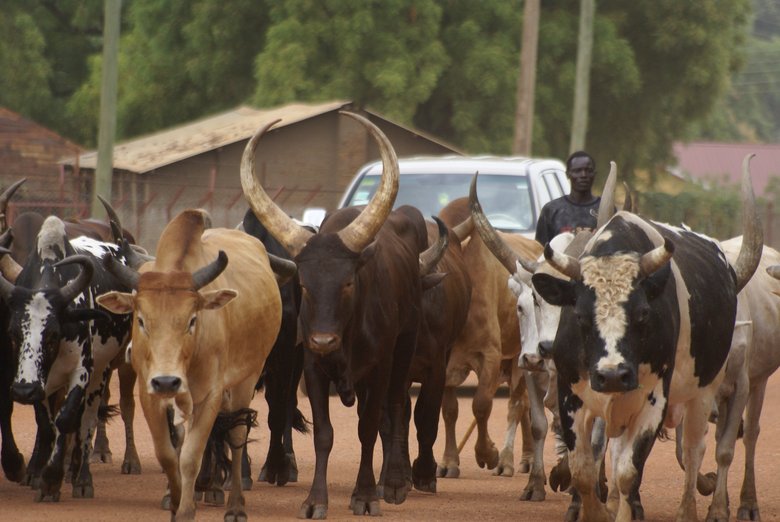
South Sudan is the world's youngest country, gaining independence from Sudan in 2011 after decades of brutal civil war. It is also one of the most dangerous and difficult countries on earth for travelers. A new civil war broke out in 2013 and conflict has continued in various forms ever since. As of 2025–2026, armed fighting has intensified in Upper Nile State, with airstrikes killing civilians and mass displacement ongoing. Every major government travel advisory — US, UK, Australia, Canada — rates South Sudan at the highest possible risk level and advises against all travel.
None of this means South Sudan is without interest or beauty. The country has extraordinary wildlife, ancient pastoral cultures, and some of the most dramatic wetland landscapes on the continent. But those things are largely inaccessible right now. Be honest with yourself about why you're going and what you're getting into.
The capital Juba, on the White Nile, is the only practical base. It is chaotic, expensive, and raw — a city that has lived through cycles of oil boom and collapse and war. Most travelers who come to South Sudan come for journalism, NGO work, or research. If you are visiting for personal travel, the infrastructure is minimal and the risks are real.
Outside Juba, almost nothing is accessible without serious planning, armed escorts, and local contacts. Roads are almost entirely unpaved. The rainy season makes large parts of the country unreachable. There is no tourist industry to speak of.