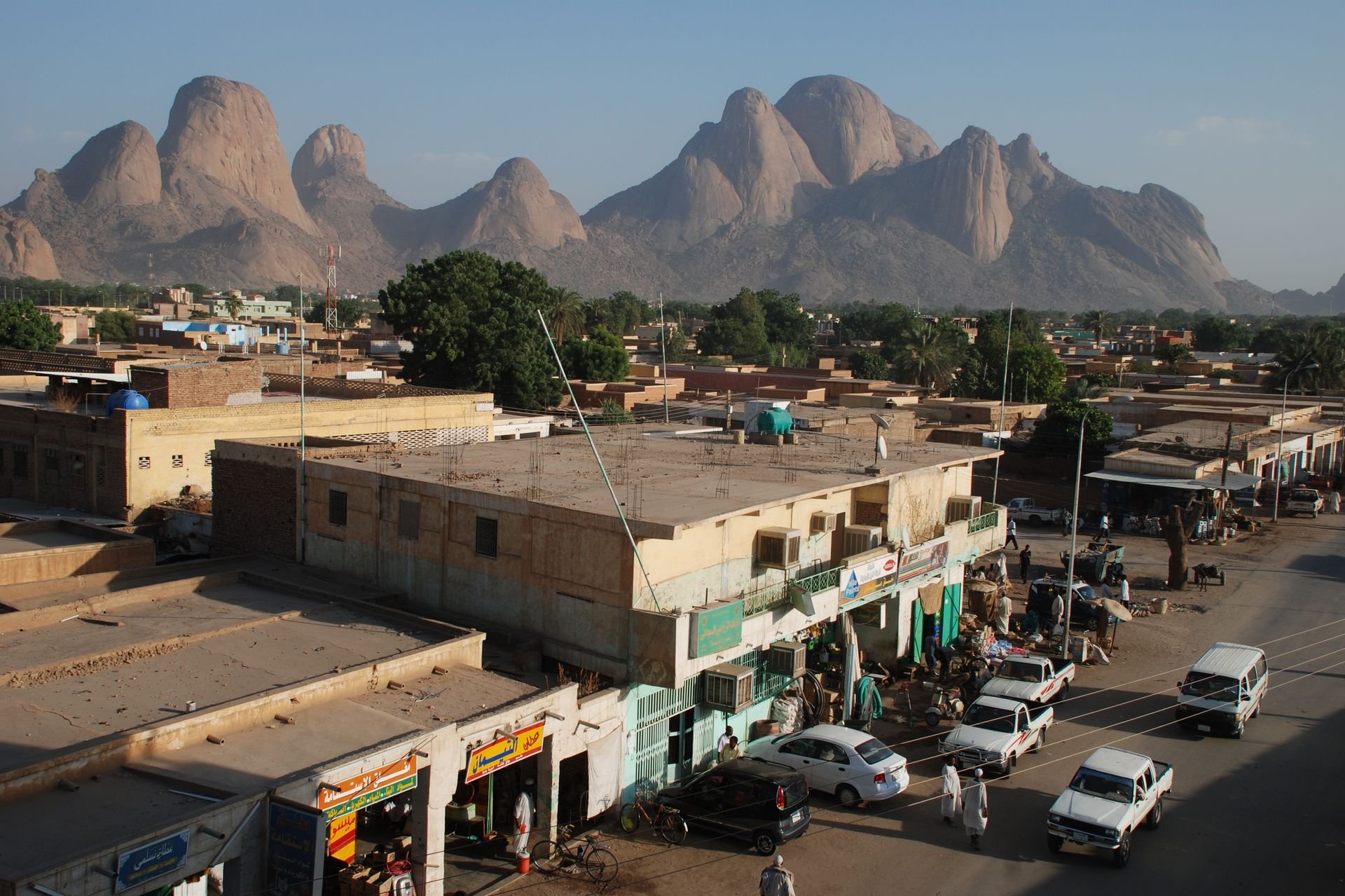
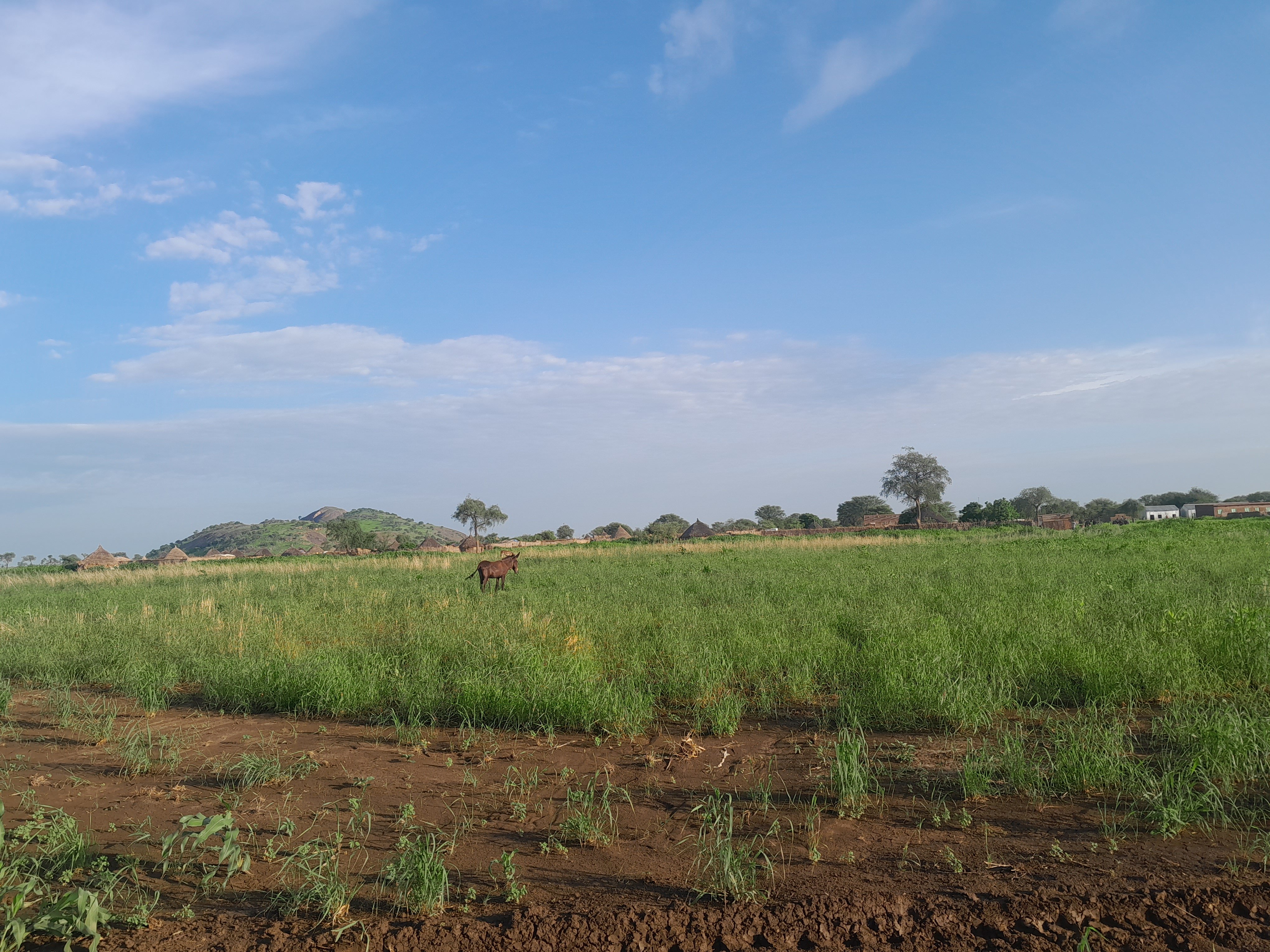
Sudan is a vast country in northeastern Africa, bordering the Red Sea between Egypt and Eritrea. Since South Sudan split away in 2011, it remains Africa's third-largest country by area. The landscape ranges from the Sahara in the north through the fertile Nile valley to the mountains of Darfur in the west.
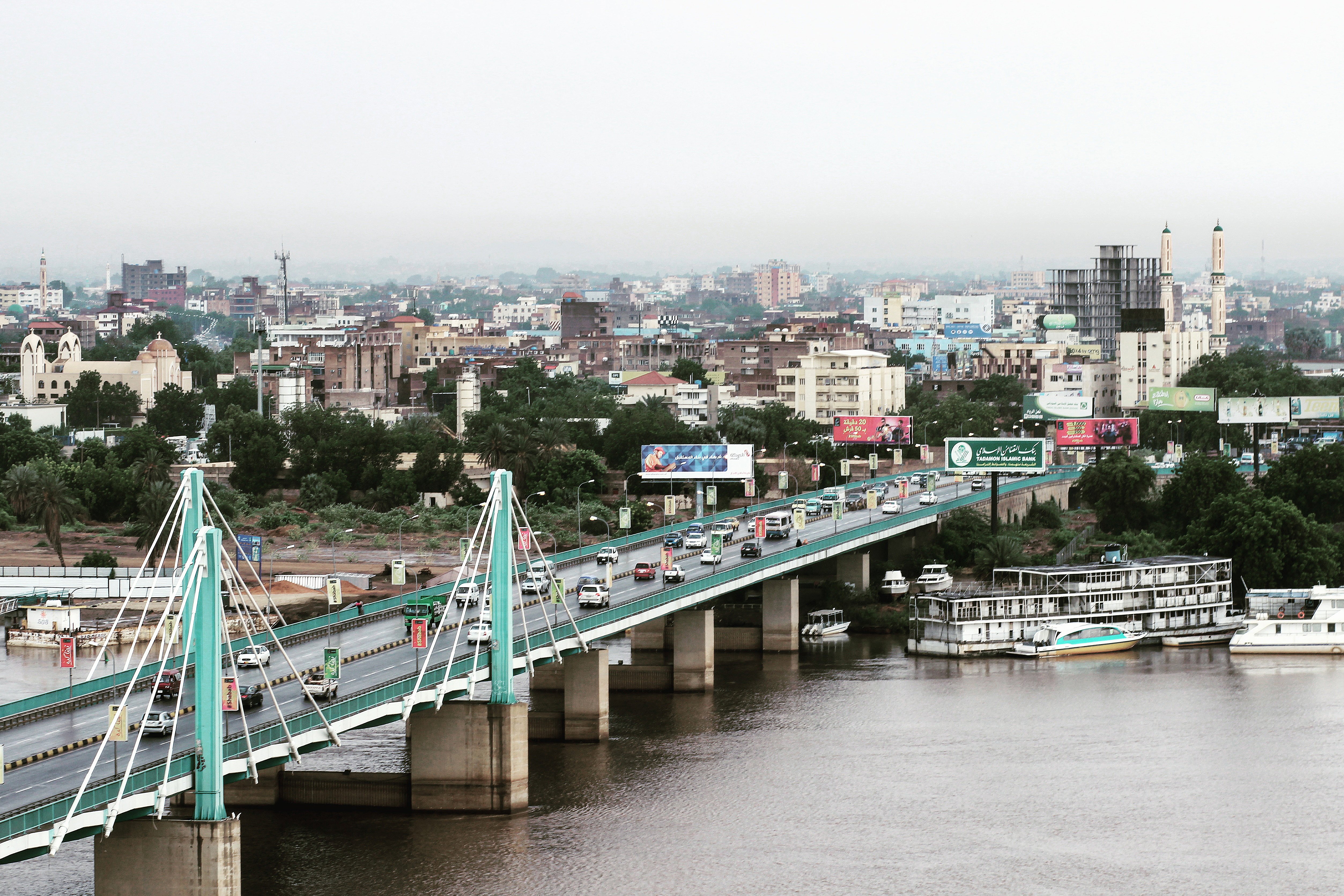
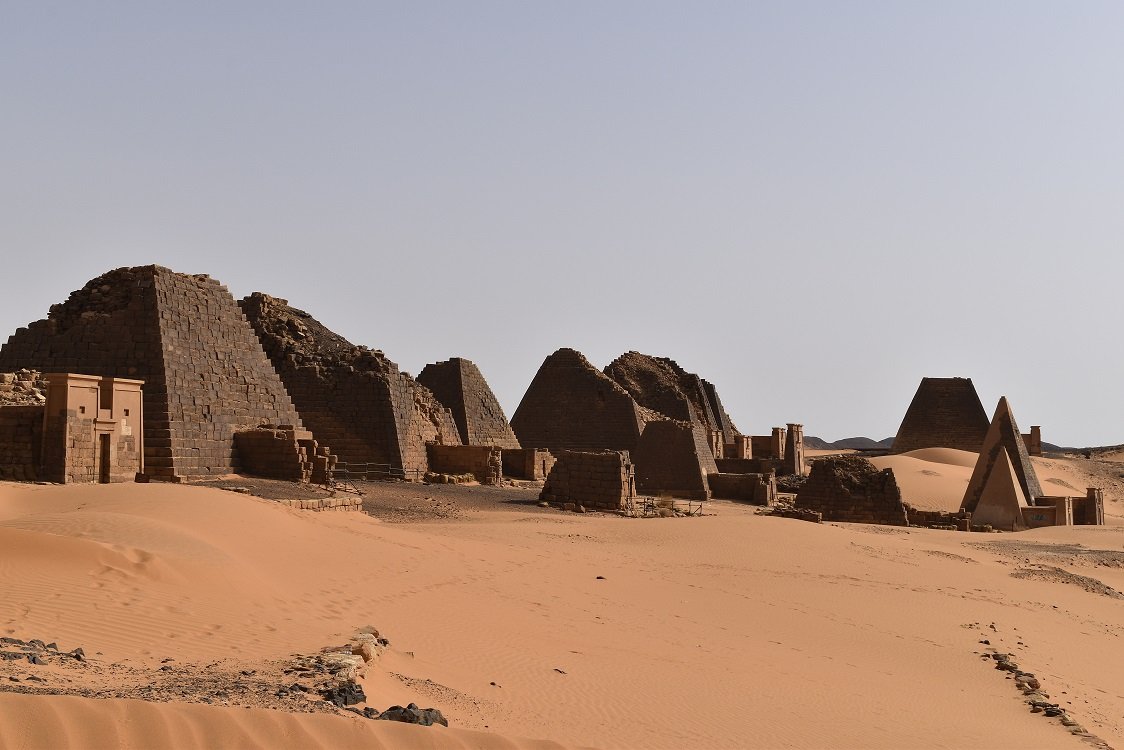
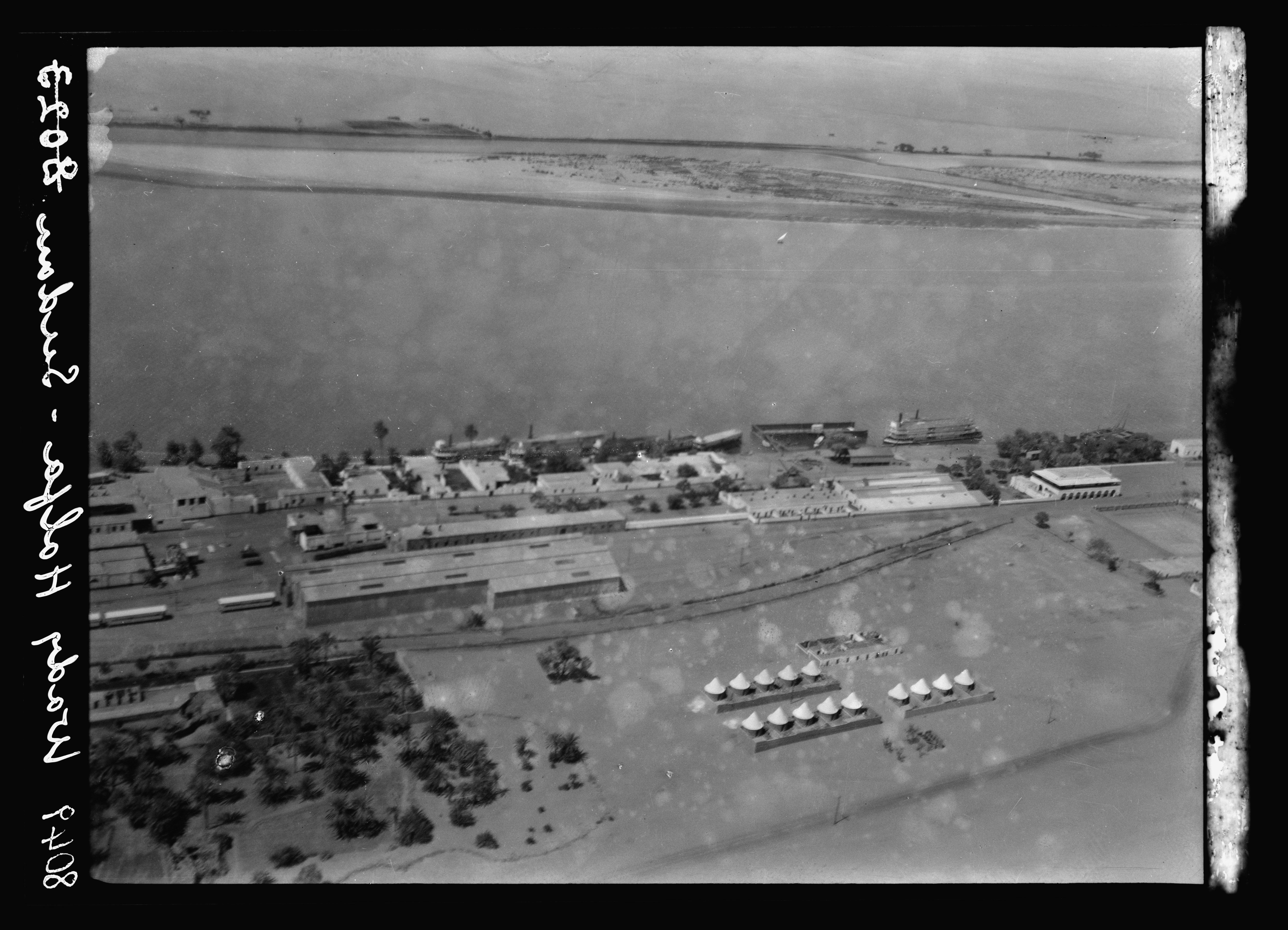
Khartoum, the capital, sits at the confluence of the Blue and White Nile — one of the great geographic meetings on earth. The city and older Omdurman across the river are the country's cultural and commercial heart, with the Omdurman Souk still the most atmospheric market in the capital area. North of Khartoum, the ancient Nubian kingdoms left remarkable pyramids and temples at Meroe and Karima — far less famous than Egypt's monuments but equally impressive and virtually tourist-free.
The Red Sea coast around Port Sudan offers some of the best diving in the Red Sea, with pristine reefs that see a fraction of the traffic of the Egyptian coast. The historic port of Suakin, once the gateway for pilgrims heading to Mecca, is a haunting ruin of coral-block buildings slowly crumbling into the sea.
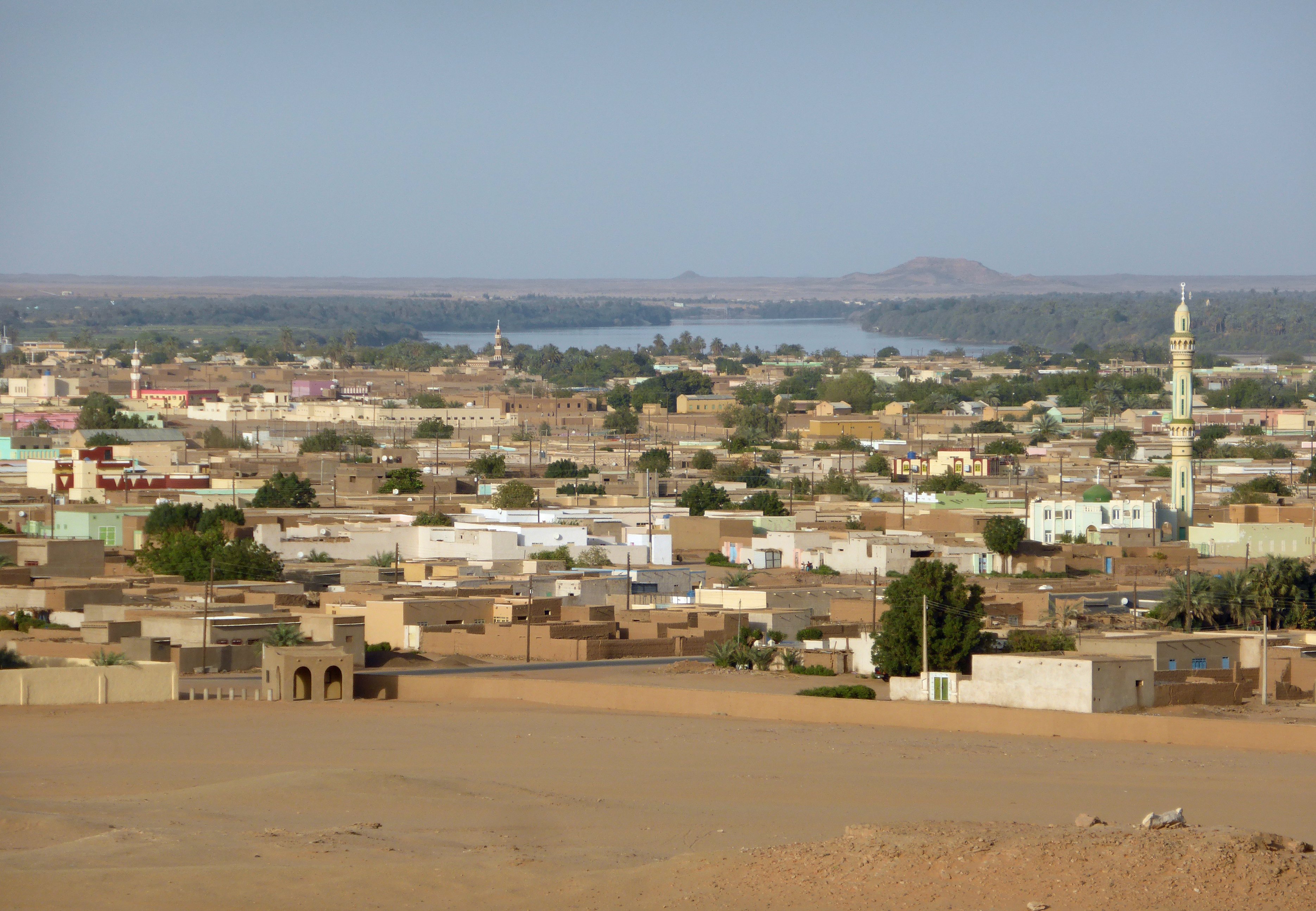
Travel in Sudan requires patience and paperwork. The political situation has been unstable, and conditions can change rapidly. Darfur and border regions remain off-limits. But the Nile valley and the north are generally safe for travelers, and the Sudanese reputation for extraordinary hospitality is well deserved — you will be invited into homes for tea more often than in almost any other country on earth.