Mondulkiri
©
Mondulkiri

Mondulkiri

Northeastern Cambodian highland province of rolling hills, waterfalls, pine forests, and Bunong elephant traditions.

Mondulkiri is Cambodia's largest and least densely populated province, occupying the northeastern highlands where the Mekong lowlands give way to rolling hills, pine forests, and waterfalls. At 800 metres elevation, the provincial capital Sen Monorom is one of the coolest places in Cambodia, a relief after the heat of Phnom Penh and the coast. The province borders Vietnam to the east and is home to the Bunong (Mnong) people, an indigenous highland community with a long tradition of elephant keeping.

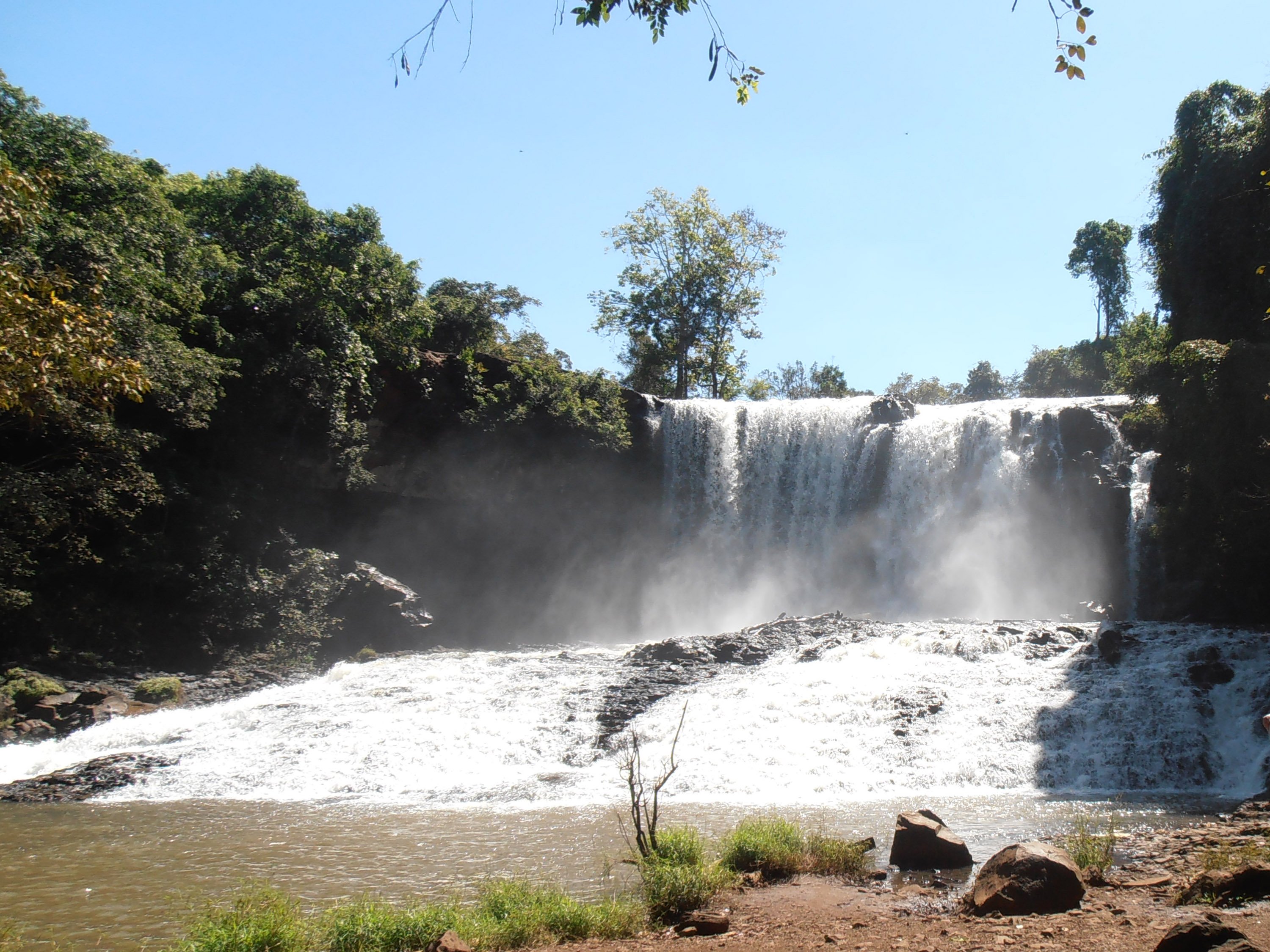
The main draw for visitors is a combination of wildlife, waterfalls, and responsible elephant experiences. The Elephant Valley Project and several other operations offer the chance to spend time with rescued working elephants in a forest setting, without riding — a model increasingly adopted as the ethical standard for elephant tourism in Southeast Asia. Bou Sra Waterfall, about 40 kilometres from Sen Monorom, is the most impressive waterfall in the province, dropping in two stages into forested gorges.

The landscape itself is the other attraction: pine forests on hilltops (unusual in tropical Cambodia), rolling grasslands, coffee and pepper plantations, and a general atmosphere of space and quiet absent from the rest of the country. Community-based trekking to Bunong villages offers a window into highland life — weaving, traditional agriculture, and the animist ceremonies that coexist with Buddhism in the highlands — that feels entirely different from the Khmer heartland.

Getting here takes effort. The road from Phnom Penh is a 6–8 hour bus ride, and the province has no rail connection. Most travellers come for three or four days and wish they had more time.

Guide

Getting Around

Sen Monorom town is walkable, but the main sights are spread across a large area, and getting around requires transport. Renting a motorbike is the most flexible option and gives access to forest tracks and smaller waterfalls that vehicles cannot reach. Motorbike rentals are available through guesthouses; an automatic costs around $10–15/day.

Tuk-tuks are available for hire in town and can reach the main paved roads. For longer excursions such as Bou Sra Waterfall, a tuk-tuk day trip is comfortable and relatively affordable. Many guesthouses and tour operators also arrange day trips by vehicle — useful for those less confident on motorbikes. There is no public transport to the main sights outside town.

Guide

Getting There

Sen Monorom is about 370 kilometres northeast of Phnom Penh, reachable by bus in 6–8 hours on a road that is paved throughout but slow in places. Several companies run daily services; book in advance during holiday periods. The road passes through Kampong Cham and Kratie before climbing into the highlands — if you have time, breaking the journey in Kratie to see the Irrawaddy dolphins is worthwhile.

Mondulkiri Airport (MWV) serves the province with Bassaka Air flights from Phnom Penh; the flight takes about an hour. Services are limited and should be confirmed before planning around them. A rented motorbike from Phnom Penh is possible for experienced riders but takes two days comfortably. From Vietnam, the border crossing at O'Yadag (Phumi Hah) south of Sen Monorom is open, though road conditions on the Vietnamese side vary.

Guide

Things to Do

The two central activities are elephant experiences and waterfall visits, and most itineraries combine them with a community trek to a Bunong village and some exploration of the highland scenery around Sen Monorom. The town itself is small and walkable; a single afternoon is enough to cover the market, the central stupa, and the views from the surrounding hillsides.

Day trips to Bou Sra Waterfall typically stop at pepper and coffee plantations on the way, and the Dak Dam area to the north has several smaller waterfalls and good forest scenery. For those wanting something more adventurous, multi-day motorcycle trips are possible on roads that become more forest track than highway.

Guide

When to Go

The cool season (November through February) is the best time to visit Mondulkiri. Temperatures in Sen Monorom stay in the mid-twenties during the day and drop to 12–15°C at night — genuinely cool by Cambodian standards and a relief from the heat of the lowlands. The roads are dry, the forest trekking is comfortable, and the landscape, while less lush than in the rains, has a clear, sharp quality.

The wet season (May–October) brings heavy rains, forest paths that turn to mud, and roads that can become impassable in the more remote areas. On the positive side, the waterfalls are dramatically fuller and the landscape intensely green. Bou Sra in particular is best in the wet season when the volume of water is highest. October and November, as the rains ease, combines reasonable roads with lush landscape and thinner crowds.

Avoid the hottest months (March–April) if possible; even at altitude, temperatures reach 35°C and the landscape is parched.