Arunachal Pradesh is India's most northeastern state, sharing borders with Bhutan, China, and Myanmar. It is vast, thinly populated, and barely touched by mass tourism — the combination of bureaucratic barriers (all visitors need an Inner Line Permit; foreigners also need a Protected Area Permit through a registered tour operator) and genuinely remote terrain has kept it far from the India most travelers see. Over 25 distinct tribal groups live here, each with their own language, dress, and traditions.
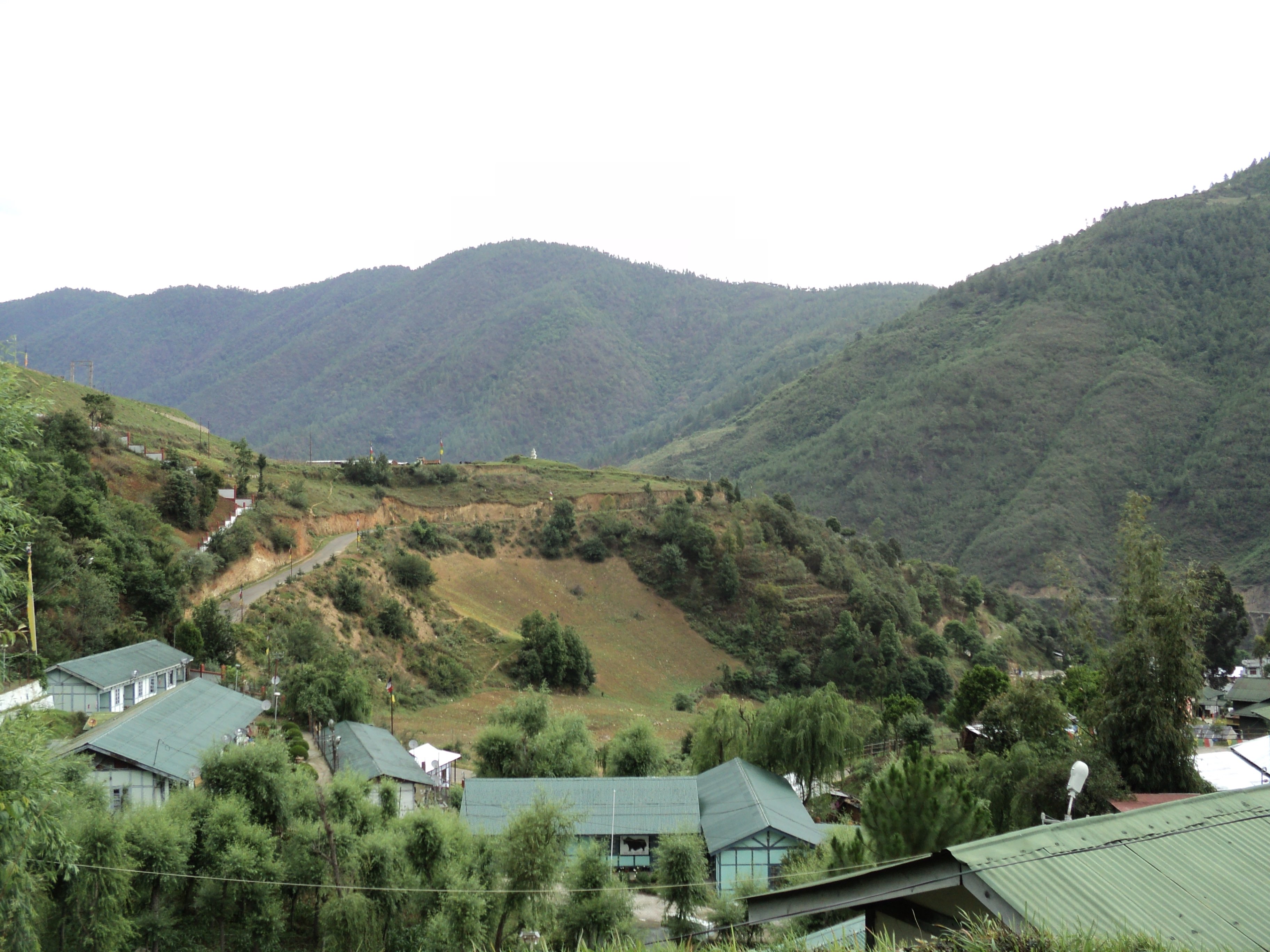
The landscape is extraordinary. The state rises from subtropical foothills in the south through temperate forests and rhododendron thickets to high-altitude plateaus and glaciated peaks along the Tibetan border. The Mon Pa, Adi, Nyishi, and Apatani are among the larger tribal communities; their festivals, weaving traditions, and architecture reward slow travel.
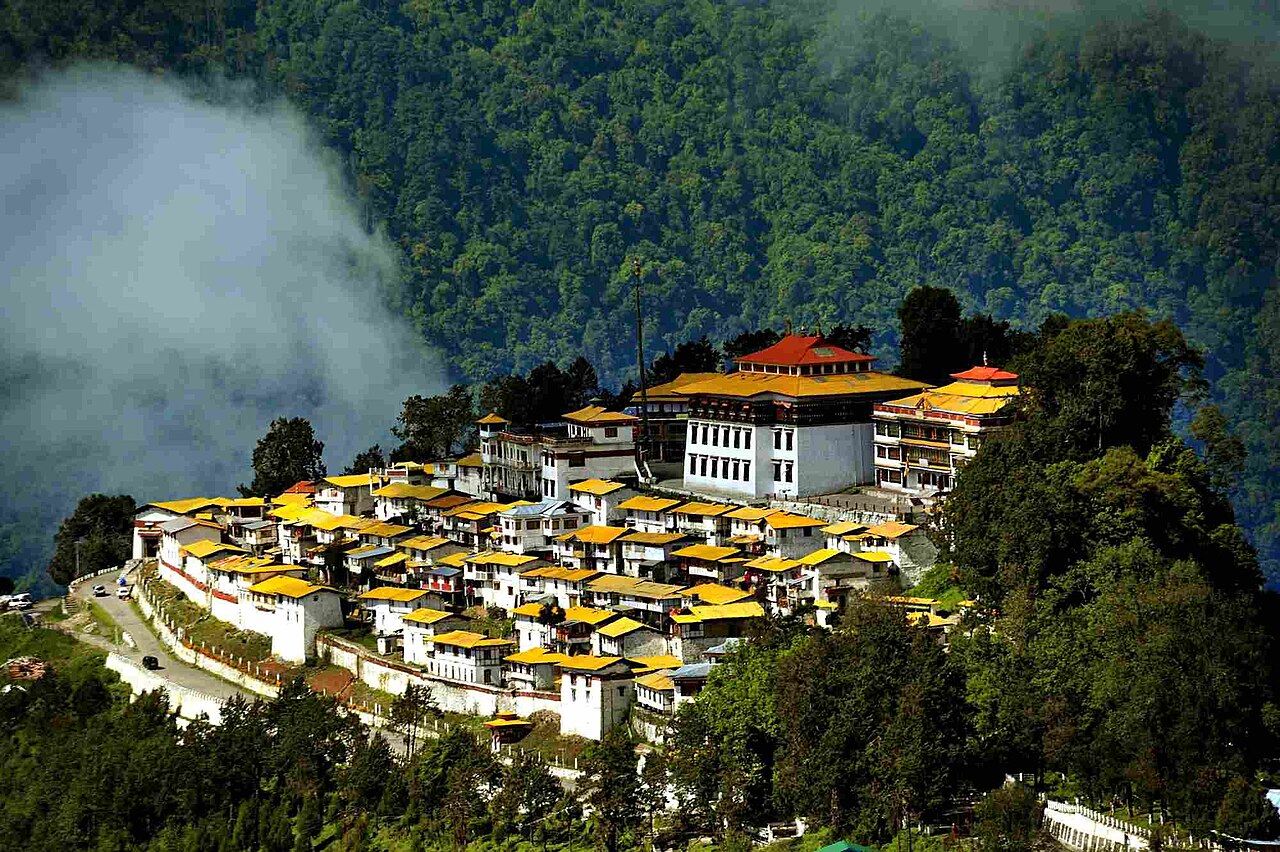
Itanagar, the capital, sits in the Himalayan foothills and has the state's main museums and a medieval brick fort. Dirang is a quiet valley town between Bomdila and the Sela Pass, known for kiwi orchards and a medieval dzong. Tawang, at over 3,000 metres near the Tibetan border, is home to India's largest Buddhist monastery and is the birthplace of the sixth Dalai Lama. The road to Tawang, crossing the Sela Pass at 4,170 metres, is one of the most dramatic drives in the northeast.