Rarotonga
©
Rarotonga

Rarotonga

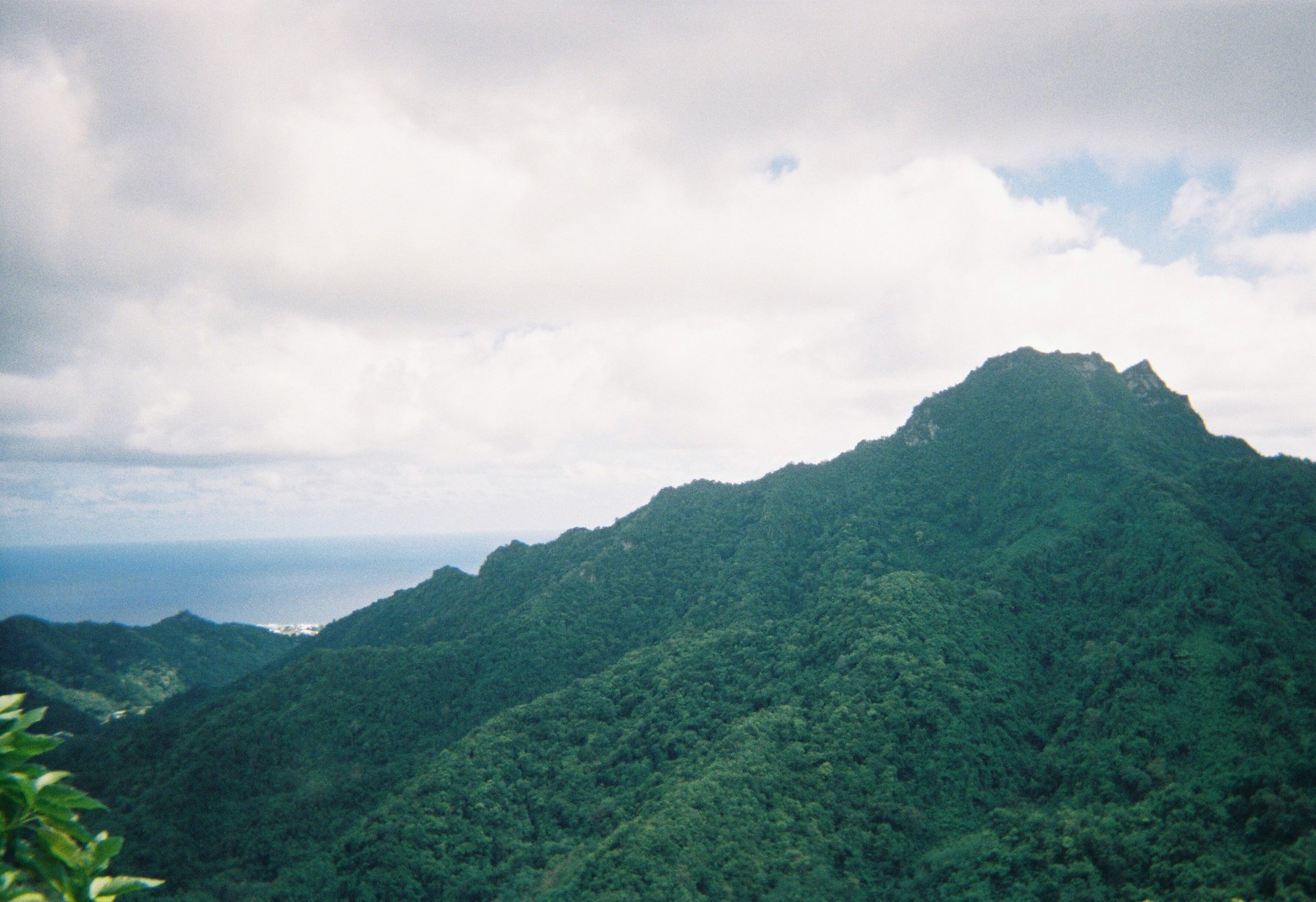
Volcanic Cook Islands hub ringed by reef lagoon and jagged interior peaks above Avarua.

Rarotonga is the largest and most populous of the Cook Islands, a self-governing territory in free association with New Zealand. The island is roughly circular, about 32 km in circumference, with a dramatic interior of jagged volcanic peaks rising to over 600 metres and a narrow coastal plain ringed by a reef lagoon. It comes close to the archetype of a South Pacific island and is popular as a less commercial alternative to Fiji or Tahiti.

Avarua, on the north coast, is the national capital — a small, relaxed town of a few thousand people. Most visitor accommodation is spread along the west and south coasts. The island's highlight beyond the lagoon beaches is the mountainous interior: a guided cross-island walk across the Te Rua Manga ridge is one of the best half-day hikes in the Pacific. Wild chickens wander freely across the island and the pre-dawn crowing of roosters is a reliable feature of any stay.

Guide

Things to Do

The lagoon is the main attraction: snorkelling, scuba diving, kayaking, and glass-bottom boat trips are all popular. The reef is intact and marine life is abundant. Inland, the cross-island track (Te Rua Manga) is a two-hour guided walk that crosses the central ridge, passing through cloud forest with plant species found nowhere else in the Cooks — the inimitable local guide Pa has been leading it for decades. A four-wheel drive mountain safari is a gentler option for the same scenery. The Takitumu Conservation Area in the southern mountains runs guided walks specifically to see the endangered kakerori flycatcher, one of the rarest birds in the Pacific. Cultural shows featuring traditional Polynesian dance and drumming are performed at several resorts most evenings.

Guide

Bars and Cafes

Situated in the Cook Islands on the Pacific, Rarotonga features a variety of bars and cafes for the hungry traveler. Prices and opening hours vary, but you’re sure to find something to your liking. Many of these places also feature entertainment in the form of dancers, late night performances or local and international bands. World 66 recommends the following dives:

Whatever! Bar

The awesome name itself is worth paying a visit to this hippy, often jam-packed BBQ dive. At Whatever! you can get freshly grilled chicken, moist fish and juicy steaks, all cooked on an outside gas grill. At the end of the night your wallet will still feel heavy, as prices range from $5 USD for a burger to $15 USD for a full course menu. Enjoy your meal with a glass of wine, beer or a fruit drink from the bar. Most people enjoy coming there to see the sunset and get away from the crowds on the main drag. Friday and Saturday nights are often packed, so the best time to dine here with family is on the weeknights. Whatever! is open Monday, Thursdays and Saturdays from noon to midnight and Fridays from noon till 2am. Credit cards accepted.

Sails Restaurant

Sails is located at Muri Beach and features a tasty appetizer menu and full menu that changes daily. You can always get fries, waffles, burgers, eggs, salads and wraps for just $2 to $10. The dinner menu offers a variety of hummus dishes, salads, fish and meats. The staff are friendly and helpful, and the website has received many positive testimonies. Dress is casual, and Sails is open daily from 10am till late. Credit cards accepted.

Edgewater Resort Cafe

Edgewater makes a mean omelet and strong coffee, a meal you’ll definitely want to try if you’re here for breakfast. The diner’s theme night sets Edgewater apart from neighboring cafes – no matter when you come to dine, you’re in for a surprise. Your servers will dress up and delight you all night long. At Edgewater you can order seafood, steak, BBQ chicken and chargrill vegetables. Tuesday and Saturday nights you can catch a local dance and partake in a buffet style feast. Open daily till late. Credit cards accepted.

Cook Islands Game Fishing Club

The locals favor Game Fishing Club for their happy hour and weekend drinks. You can sit on the patio in the back of the club and enjoy the beach views. The best part about this café is the library full of paperback books for your reading pleasure. You can come here alone and enjoy your brew while reading the latest Robin Cook novel. The bar food is quite tasty too, featuring the usual fare of fish, chips and burgers. Closed on Sundays.

Guide

Beaches in Rarotonga

Small and almost perfectly circular, the island of Rarotonga, part of the Cook Islands, is a unique place for a beach getaway. On every side of the island, except for the northernmost area, Rarotonga is surrounded by coral reefs. This makes its beaches distinctive; the big waves and rough waters crash on and around the reef area, preventing them from coming closer to the shoreline. This leaves the water closest to the coasts very calm and clear with almost no waves, like a lagoon. Obviously, these lagoons are horrible for surfing, so if you're looking for a beach getaway with great surfing, this isn't the place for you. The perfect activities for these lagoons are snorkeling, swimming, wading and sunbathing. In the north, the reefs are present basically right along the shoreline, making the water extremely rough and impossible to do any water activities in. The beaches of tiny Rarotonga are free to the public.

Snorkeling Beaches

The best beaches for snorkeling are those in the southeast and the extreme south of the island. These areas combine coral towers with sandy areas, making it very easy to see the colorful fish darting in and out among the coral. In some parts, the coast can be quite rocky, making swimming and wading difficult, but the rocks can fill with water during high tide, making some interesting tide pools to explore. The southern side of the island also has more wind, so it can get a little chilly from June to August.

Most agree that the best snorkeling spot is right in front of the Fruits of Rarotonga smoothie stand. Along the rest of the western coast, there is good snorkeling as well, because the area is protected from fishermen and sheltered from the wind.

Swimming Beaches

By far, the best place to swim, play in the water, or just enjoy the scenery is Northeastern Rarotonga. There lies the famous Muri Lagoon, with its tranquil, warm, perfectly clear waters. The lagoon features a very shallow saltwater marsh with little islets that you can wade out to and explore. Snorkeling is very bad there, as the bottom is sandy with no coral and few fish, but the beauty of the place more than makes up for that. Be careful not to wade out too far, meaning too close to where the lagoon connects with the sea, because the current is very strong and dangerous there.
Guide

Day Trips in Rarotonga

Day trips from Rarotonga are going to be either a bit more expensive or a bit longer than your typical excursion, being as the Cook Islands are far enough apart to warrant planes or long boat trips. Still, if you have the time it's definitely worth the extra effort to get out to the other islands for a day or even a few days.

Aitutaki

Air Rarotonga offers regular flights from Rarotonga, but one of their best deals is their day tour to Aitutaki. You will be picked up from your hotel on Rarotonga to catch the 8 a.m. flight to Aitutaki, where you will enjoy an hour tour around the island to explore and pick up souvenirs. From there you'll board a boat for a cruise out to Aitutaki Lagoon for snorkeling and swimming in the crystal clear waters. Your snorkel gear and towels will be provided. A barbecue lunch will be cooked for you right on the boat, and then you'll head back in to fly **

Uninhabited Manuae is best known for its fishing, diving and other water recreations. It's important to note that the sands around the lagoon shift frequently, so it may be best to avoid if you're uncertain in the water. You can travel to Manuae aboard the Bounty Bay research vessel. The crew are all conservationists who are happy to take people out on eco-friendly tours. Trips are usually about USD250 per day, including all equipment for things like diving and camping. If you have a large group, you can charter the entire boat for USD1900 per day. There are also one to three week long trips that include multiple islands and adventures for between USD1000 and USD4000.

Atiu

Flights go from both Rarotonga and Aitutaki regularly (excluding Sundays) and take about 45 minutes from Rarotonga. On Atiu you can sample the famous local coffee and pineapples or go out bird watching to catch a glimpse of the vibrantly colored Rimatara Lorikeet (Kura, in the local dialect). Atiu also has plenty of caves for exploring, and you can't leave without picking up one of the Tivaivai, beautiful blankets made with the traditional quilting and embroidery techniques. Flights are about NZD170 round trip.

Contributors November 25, 2009

Guide

Eating Out

In addition to its peacefulness, however, Rarotonga offers plenty of excitement for those seeking dancing, music and good companionship. Cabarets, discos and restaurants flourish except late on Saturday night when the Sabbath starts. In the daytime, the main township, Avarua, provides a selection of cafés and bars for those seeking a caffeine fix. The Blue Note, in the same building which once housed the notorious Banana Court bar, serves local coffee and dishes from its wide verandah and offers an uninterrupted view of the harbor.

Seafood is a staple of Polynesian cuisine and Rarotonga's restaurants offer traditional as well as island-style dishes. A delicacy is grilled 'mai-mai', the dolphin fish, a speciality at Trader Jack's in Avarua. Eating out is not cheap in Rarotonga, at least not by New Zealand standards. Much of the fare is fairly ordinary but gourmet dining can be found at the Flame Tree in Muri, the Portofino in Tupapa and the Tumunu in Arorangi. The hotels also offer extensive menus and usually a traditional island feast or 'umu kai' with accompanying dancing and drumming. The 'umu kai' is cooked in an earth oven by radiant heat from hot stones. There are lunch and café establishments in Avarua which also provide European and Polynesian meals.

Guide

Getting Around

As well as the ubiquitous coconut palms, Rarotonga is home to many mature and beautiful tropical trees. Wandering down the back roads either on foot rented bicycle or motor scooter can be a rewarding experience. Poinciana, known locally as 'flamboyants', are an import from South America but look wonderful against the predominant greens and blues of Rarotonga. Massive old trees can be found in the quieter parts such as along the ancient Ara Metua, the Great Road of Toi, built about 1000 AD from coral slabs. There is a regular round-the-island bus service which runs in both clockwise and anti-clockwise directions. Several companies offer bicycle, motor scooters and automobiles for rent. Prices can range from about US$35 to US$25 per day for an automobile and US$15 to US$10 for a motor scooter. It is worth checking out some of the smaller operators. Many hotels and motels rent out bicycles and scooters.

Guide

Getting There in Rarotonga

Rarotonga is the largest of the Cook Islands, and it has about 90,000 tourists each year who come to sample its soft, sandy beaches or dive to look at the fantastic coral reefs. Diving, snorkelling and fishing are all very popular activities on this island. However, there are disadvantages to Rarotonga, getting there being perhaps the most important. **Getting to Rarotonga by Plane **

For a popular tourist destination, there are few direct services to the island. Only 2 major air companies operate a Rarotonga flight-- Air New Zealand, which flies from Auckland, Fiji and French Polynesia, and Pacific Blue which operates flights from Australia and New Zealand. Even with air service, the problems are not over, as the ‘international’ airport (the only one on the island) is several km from the capital city. It is necessary to transport tourists into the towns either by car or by motor scooter. But to do either of these things, it is legally necessary to obtain a Cook Islands driving license. **Getting There by Boat **

The only other way of travelling to Rarotonga is by boat but this is more complicated than it looks, because there are no scheduled ferries making trips to and from the city. If anyone wishes to go by boat, then they will need to book a cruise which makes a port call on the island. Tourists can also rent a yacht to travel to the island if they do not own one.

Guide

Shopping

Also not to be missed is the market on the waterfront at the western end of Avarua. This is open every day except Sunday. But on Saturday morning it hums since everyone on the island seems to be there. Stalls sell food, drinks and crafts and there is often a competition for local singers to show off their talents. If the fishing has been good the catch is displayed for sale at the market on the same day it was caught for prices ranging between NZ$15 (US$7.50) to NZ$25 (US$12.50). Usually fresh tuna hangs tail first accompanied by the occasional four-foot wahoo. Visitors who can cook for themselves can get a real bargain if they like fresh tuna steaks. These are delicious dry-fried in a non-stick frypan with just a drop of oil.

Guide

When to Go in Rarotonga

Enjoy a comfortable tropical climate on Rarotonga where the high temperature hovers around just 84 degrees. Though there can be many hot and sticky days on Rarotonga, the largest city in the Cook Islands, its location far south of the equator lends to its moderate climate. ** Weather of Rarotonga**

The best time to visit Rarotonga is during the months on the edge of winter, summer and the rainy season, including April, May, September and October. During these months is the best chance to have both sunshine and warm weather throughout your trip.

June through August is winter on Rarotonga and at this time the island experiences climates that are much cooler, with an average high of just 77 degrees. Antarctic cold fronts can bring many cool nights as well so it is recommended to bring a sweater or light jacket for night time in the winter.

December through April is rainy season, as well as cyclone season. Though the island has been struck by many cyclones, most years the rainy season is characterized by short and heavy bursts of rain followed by sun. The dry season is June through August, however rain clouds are generally seen around the mountain peaks throughout this entire season.

Holidays & Events on Rarotonga

There are three major festivals that take place on Rarotonga throughout the year – Dancer of the Year Contest takes place in mid-April, the National Self Governing Commemoration in August and Tiare Week during the first week of December. These are great times to visit the Cook Islands and see some cultural dances and entertainment that you may not otherwise.

The tourist season on the Cook Islands is June through August. During this time, Australians and New Zealanders pour onto to the island as a break from their country’s weather. If you are planning on visiting during these months, make hotel and other reservations early, as thing are often full. During Christmas time, many Cook Island natives come home from New Zealand for the holiday. While finding a hotel room during this time is easy, securing a flight is much more difficult. Be sure to plan well in advance if you will be traveling at this time.