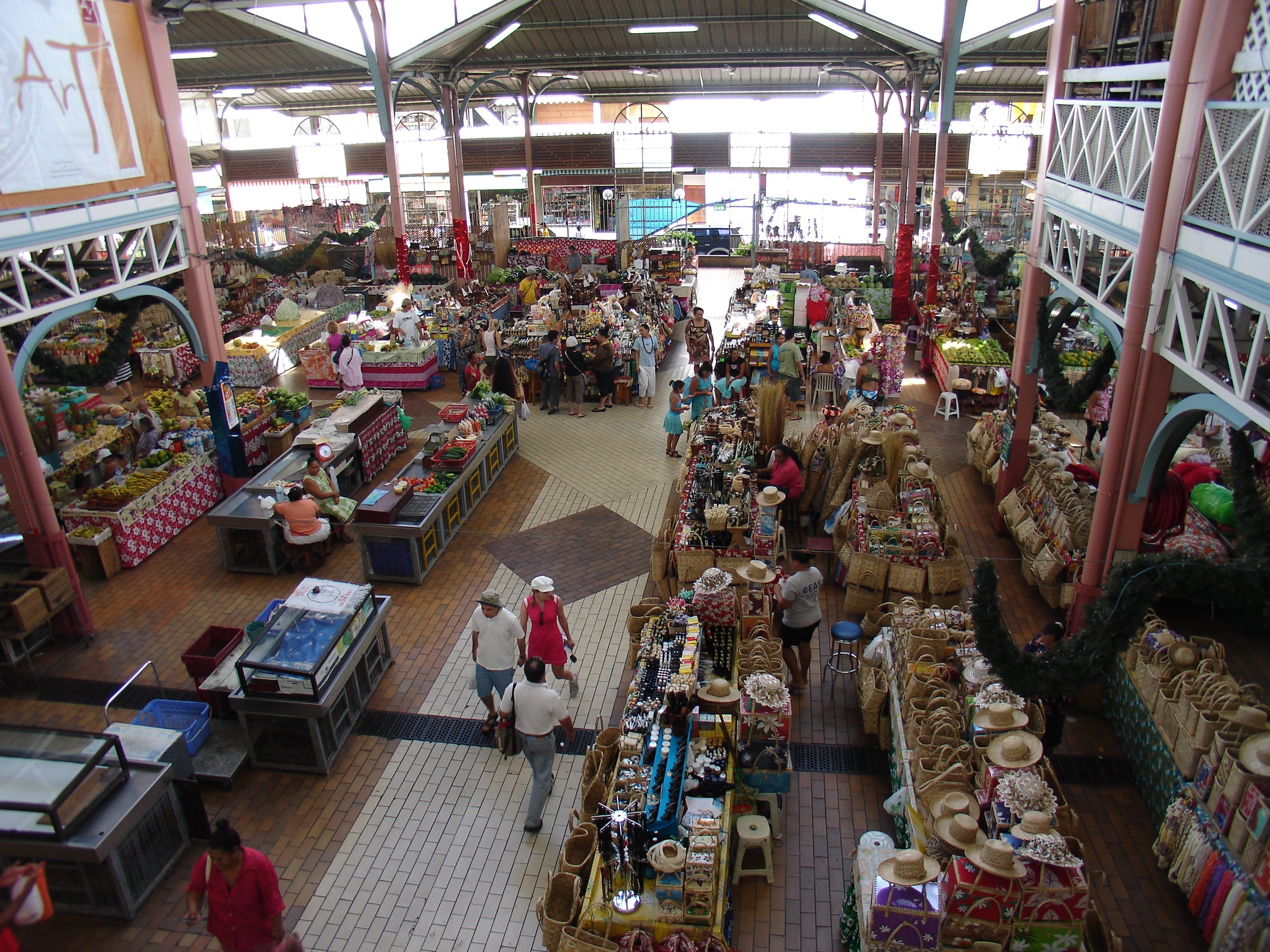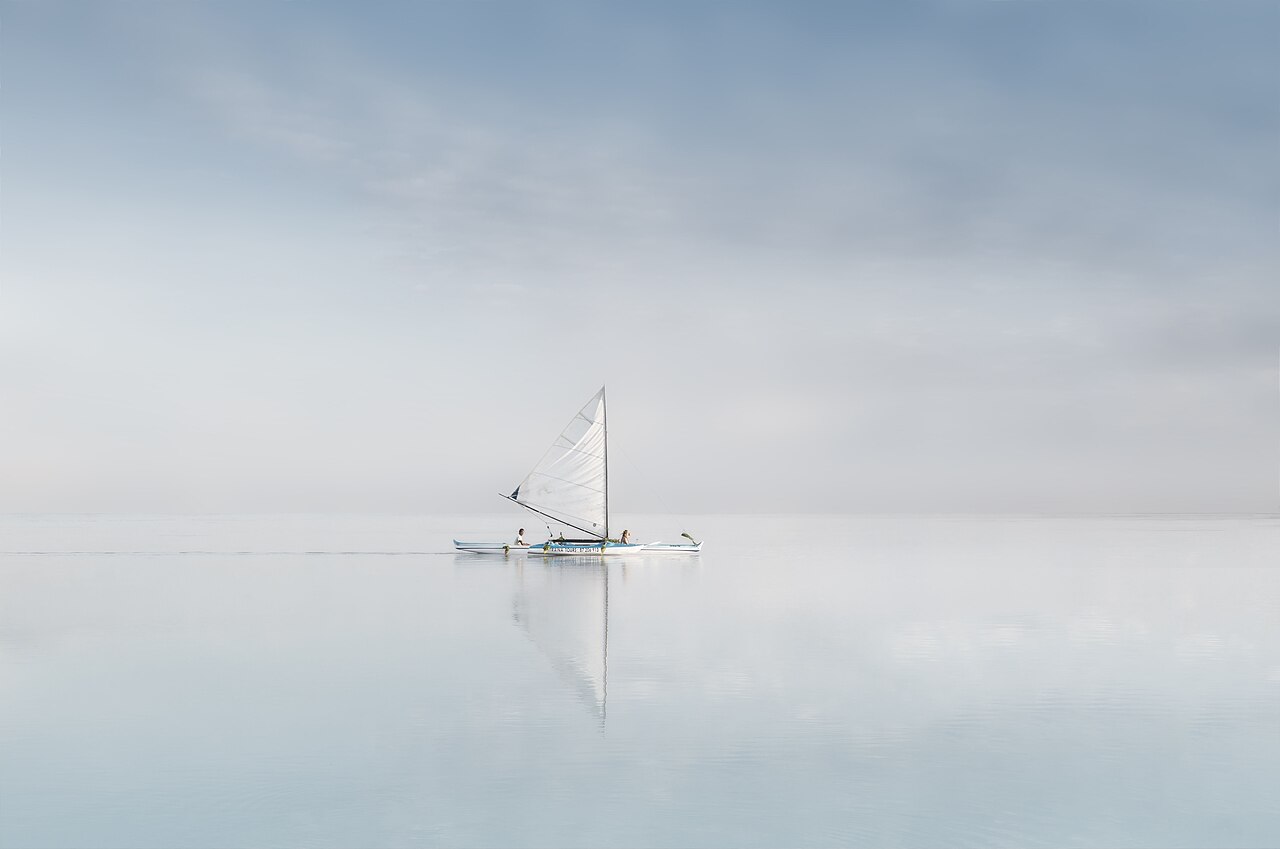
Tahiti is the largest island in French Polynesia, covering 1,042 km², and is divided into a larger northwestern lobe (Tahiti Nui) and a smaller southeastern peninsula (Tahiti Iti), joined by an isthmus. Most of the population lives on the northwest coast around the capital Papeete. The island's interior is dominated by dramatic volcanic peaks, and the coastal road — 114 km around the main island — passes waterfalls, blowhole, lava tubes, and archaeological sites.
The island is more than just a transit point for the outer atolls. The Arahoho Blowhole and Faarumai Waterfalls are on the north coast. Point Venus, where Captain Cook observed the transit of Venus in 1769, is a historically significant black-sand beach. Marae Arahuruhu near Paea preserves the island's best-restored ancient Polynesian temple. In the mountainous interior, the Fautaua Valley trail leads to a large waterfall on a half-day walk.
On the southeast peninsula, Teahupo'o is one of the most famous — and feared — big-wave surf breaks in the world, and hosted the 2024 Olympics surfing competition. The currency is the Pacific Franc (XPF/CFP), fixed to the Euro at 119 CFP per euro.