Koror
©
Koror

Koror

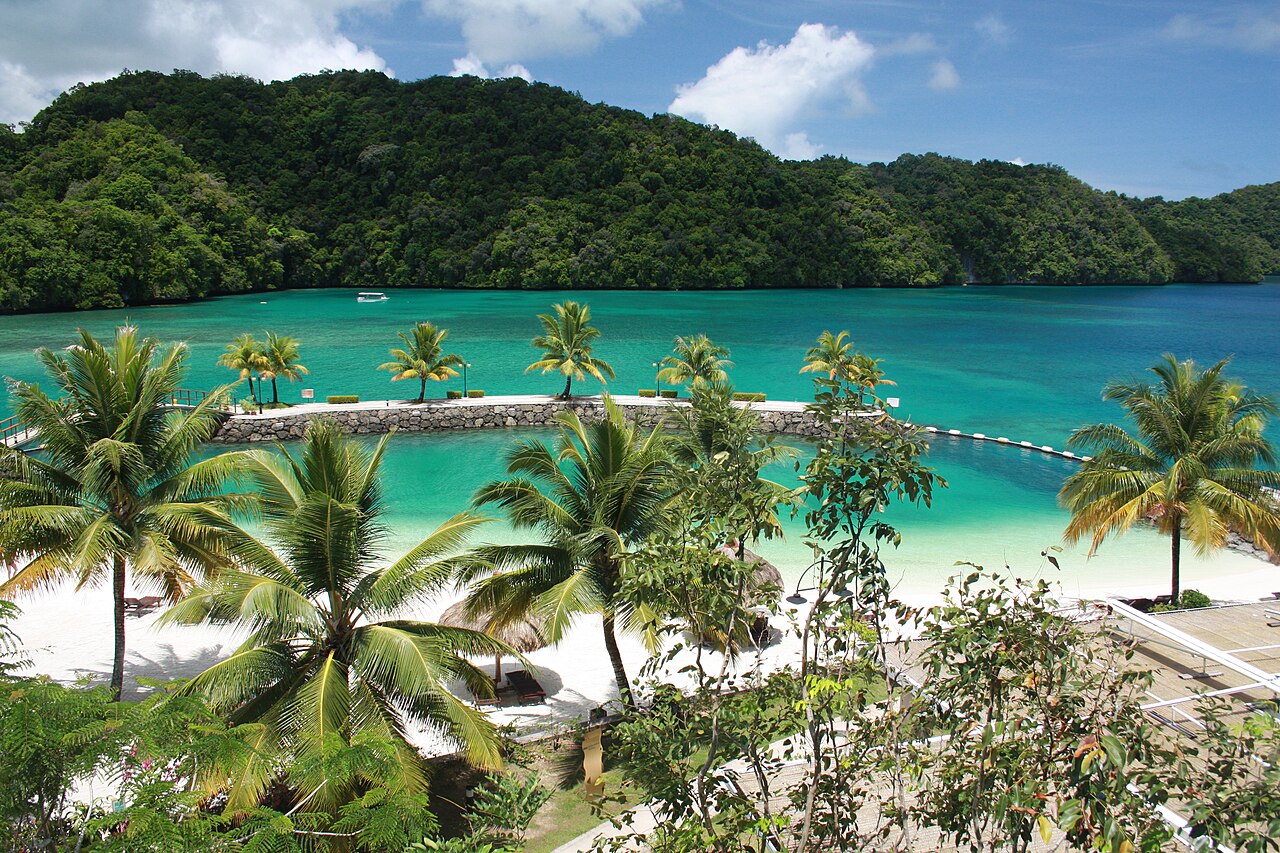
Palauan commercial island and dive base beside the limestone Rock Islands and turquoise lagoons

Koror is Palau's main island and the country's commercial heart — the place where nearly everyone stays, eats, and gears up for the underwater adventures that make Palau famous. It is a compact, walkable town with a mix of Japanese colonial relics, concrete shophouses, and dive shops lining the main road. Don't mistake busyness for charm: Koror is a functional base, not a destination in itself.

The real draw is what surrounds it. The Rock Islands stretch to the south — some 200 limestone outcroppings draped in jungle, with lagoons of implausible turquoise. The giant island of Babeldaob lies just to the north, connected by the Compact Road and largely undeveloped. Most divers base themselves in Koror and go out by boat each morning.

Within Koror, the Belau National Museum is worth an hour of your time. It has a solid collection covering Palauan cultural history, traditional storyboards, and the islands' complicated colonial past — ruled in turn by Spain, Germany, Japan, and the United States before independence in 1994. The nearby Etpison Museum has more artefacts and some good underwater photography. The Palau International Coral Reef Center is a useful primer before any dive trip, and the jungle-overgrown ruins of the Nan'yō Shrine are a quiet reminder of the long Japanese colonial period. Day trips to Jellyfish Lake leave from the Malakal marina, which is also the liveliest part of town for nightlife.

Guide

Bars and Cafes

Koror's nightlife concentrates in Malakal, the industrial-looking islet across the causeway where most of the dive boats are berthed. A handful of bars cater to divers winding down with a beer after a day on the reef. Drinks are not cheap — Palau imports nearly everything — but the crowds tend to be a mix of Palauans, divers and Japanese expats, which makes for interesting evenings.

Guide

Eating Out

Koror's food scene punches above its size thanks to a mix of cuisines left by the colonial layers — Japanese, Filipino, Chinese, American — and the local fondness for grilled reef fish. Most decent restaurants line the main road or cluster around the Malakal marina. Seafood is the obvious choice; the local mangrove crab (chemang) and reef fish are excellent.

Guide

Getting Around

Koror is small enough to walk most of it on foot. The main commercial strip runs along the waterfront and is easily covered in twenty minutes. For exploring further afield — particularly the Compact Road north into Babeldaob — you will need a vehicle. Car rentals are available through several local operators, and taxis are cheap and plentiful within town. Some guesthouses also arrange transfers to dive operators and the ferry docks.

Guide

Things to Do

Most visitors to Koror spend their days underwater and their evenings in town. The Belau National Museum and the Etpison Museum are both worth an hour or two to make sense of Palauan culture and the islands' tangled colonial history. The Palau International Coral Reef Center gives a useful primer on what you are about to see on the reef. Beyond that, walk the main road past the Sacred Heart Church, cross to Malakal for the marina and the small wrecks of Japanese boats still visible in the shallows, and book a boat to the Rock Islands — that is what you came for.