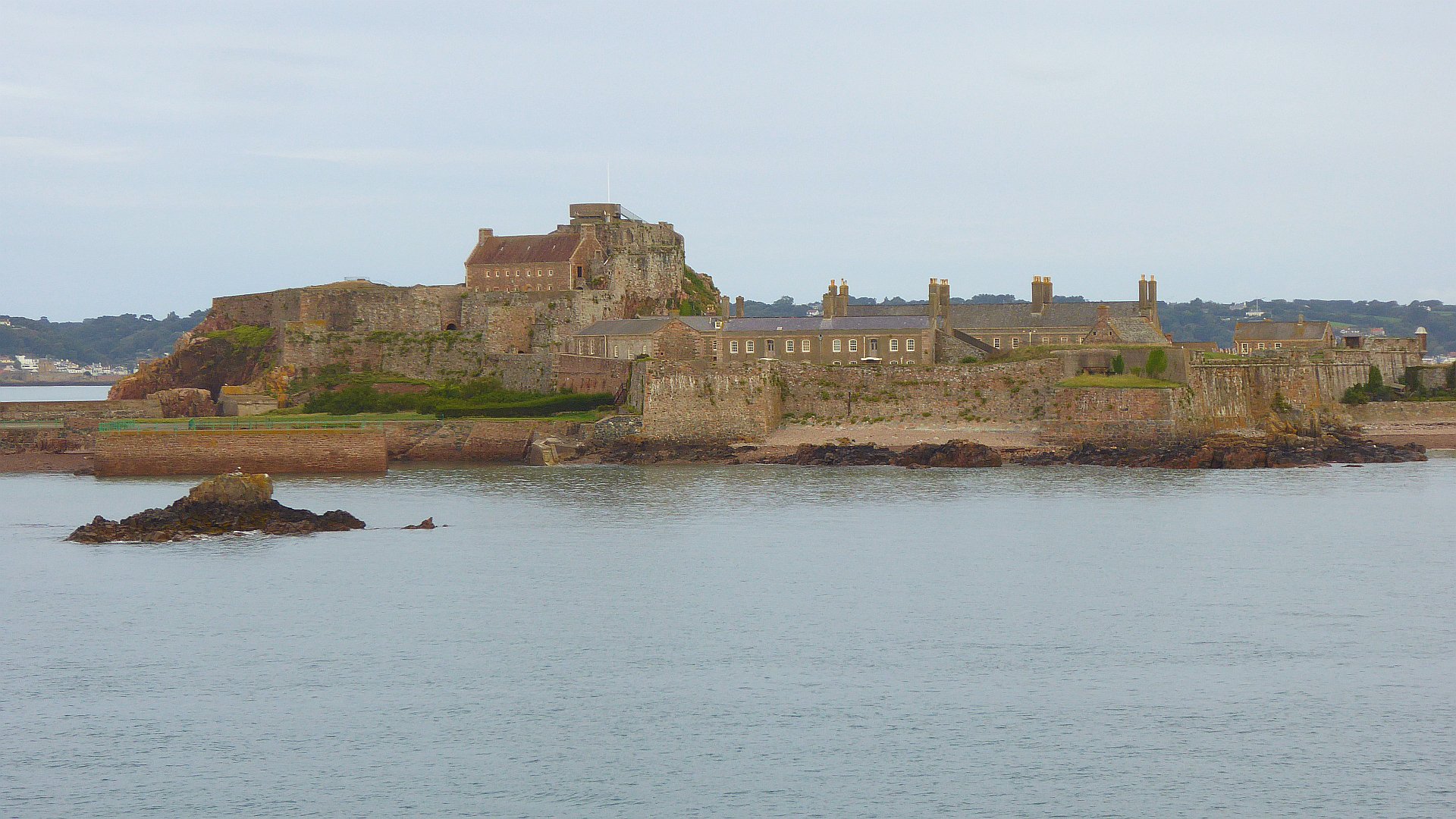
Jersey is the largest of the Channel Islands and the most visited. It has around 110,000 residents, its own parliament (the States of Jersey), and a financial sector that makes it one of the wealthier places in Europe per capita. The main town, St Helier, is a busy commercial hub with good restaurants and a covered market that sells local produce, fish, and Jersey-made goods.
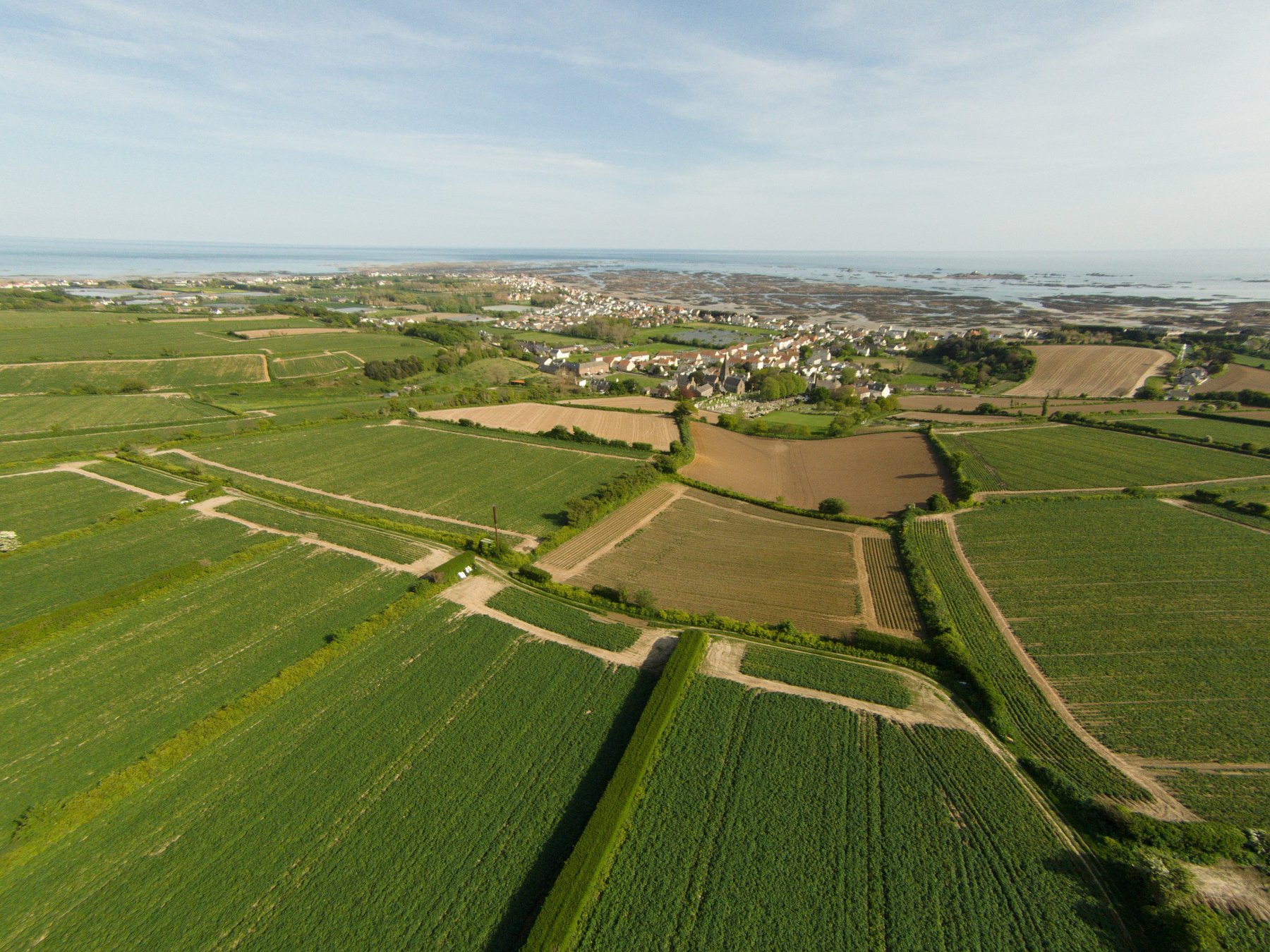
The island is roughly nine miles by five, and the landscape varies considerably. The south coast has long sandy bays — St Brelade's Bay is the most sheltered and prettiest — while the north is dominated by granite cliffs dropping sharply to the sea. A network of country lanes and footpaths crosses the interior. Jersey Royals, the island's distinctive early potatoes, are grown in the south-facing cliff fields and are harvested in spring.
Jersey's World War II history is well documented. The island was occupied by German forces from 1940 to 1945, and the Germans built extensively here — the Jersey War Tunnels complex near St Lawrence gives the most thorough account of occupation life, both from the German and local perspective.
Jersey is about 14 miles from the coast of Normandy, and St Malo is the nearest major French port. The island is an easy day trip from France and receives substantial French visitors in summer. Condor Ferries connect Jersey to Poole and Portsmouth, and there are flights from most major UK airports to Jersey Airport on the western side of the island.