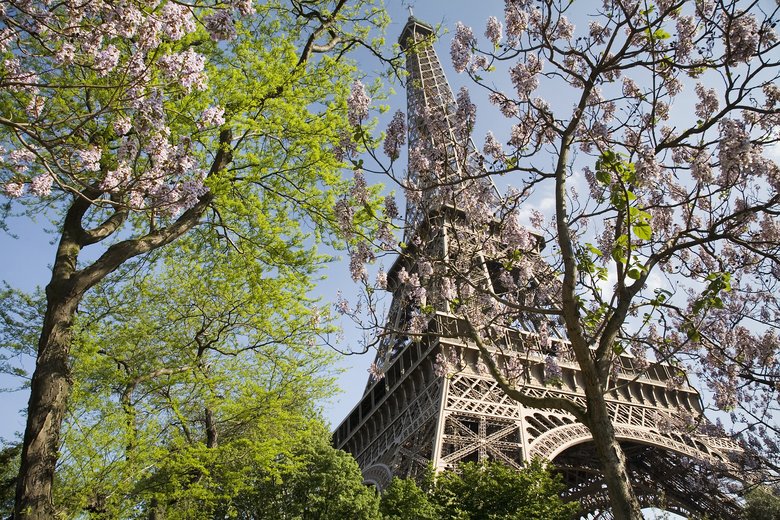
Europe is old in the best possible way. Every town has a cathedral, a castle, or a Roman ruin. Empires rose and fell here over two millennia, and the traces are everywhere — not in museums but in the streets, the food, the languages, and the stubborn local pride that makes every country feel genuinely distinct from its neighbors.
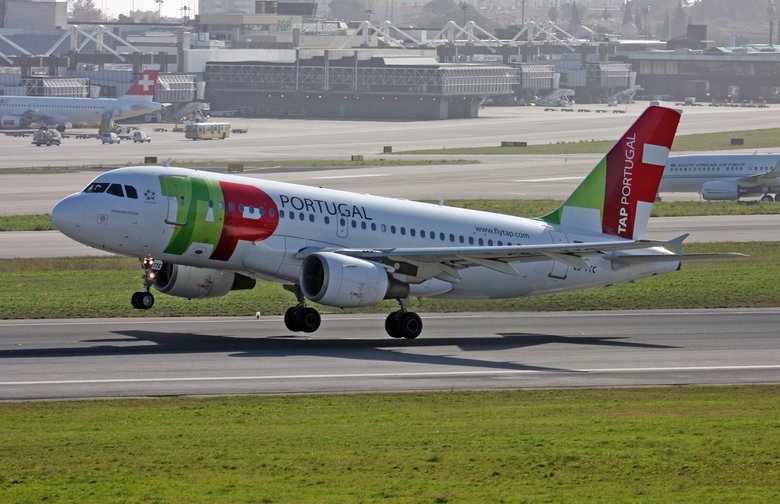
The continent is smaller than it looks on a map and easier to navigate than almost anywhere else. High-speed trains, budget airlines, and an excellent motorway network mean you can have breakfast in Paris, lunch in Brussels, and dinner in Amsterdam if you're so inclined. The Schengen Agreement removes border friction between most member states, and the Euro simplifies finances across 20 countries.
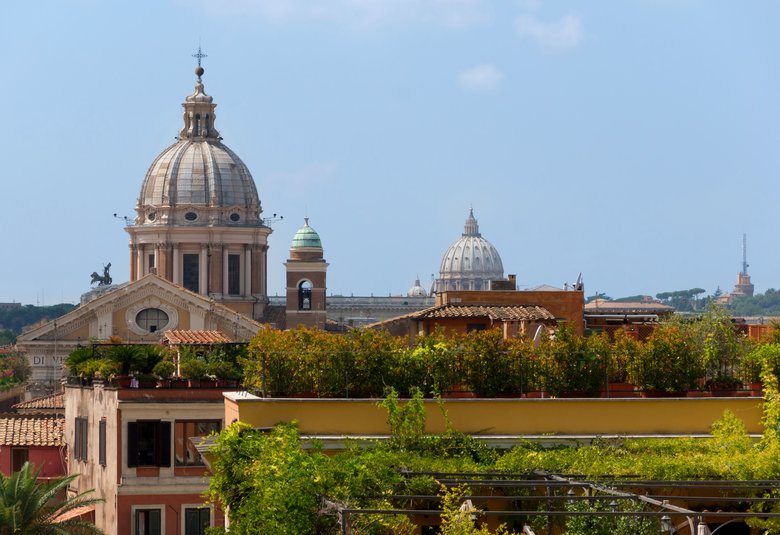
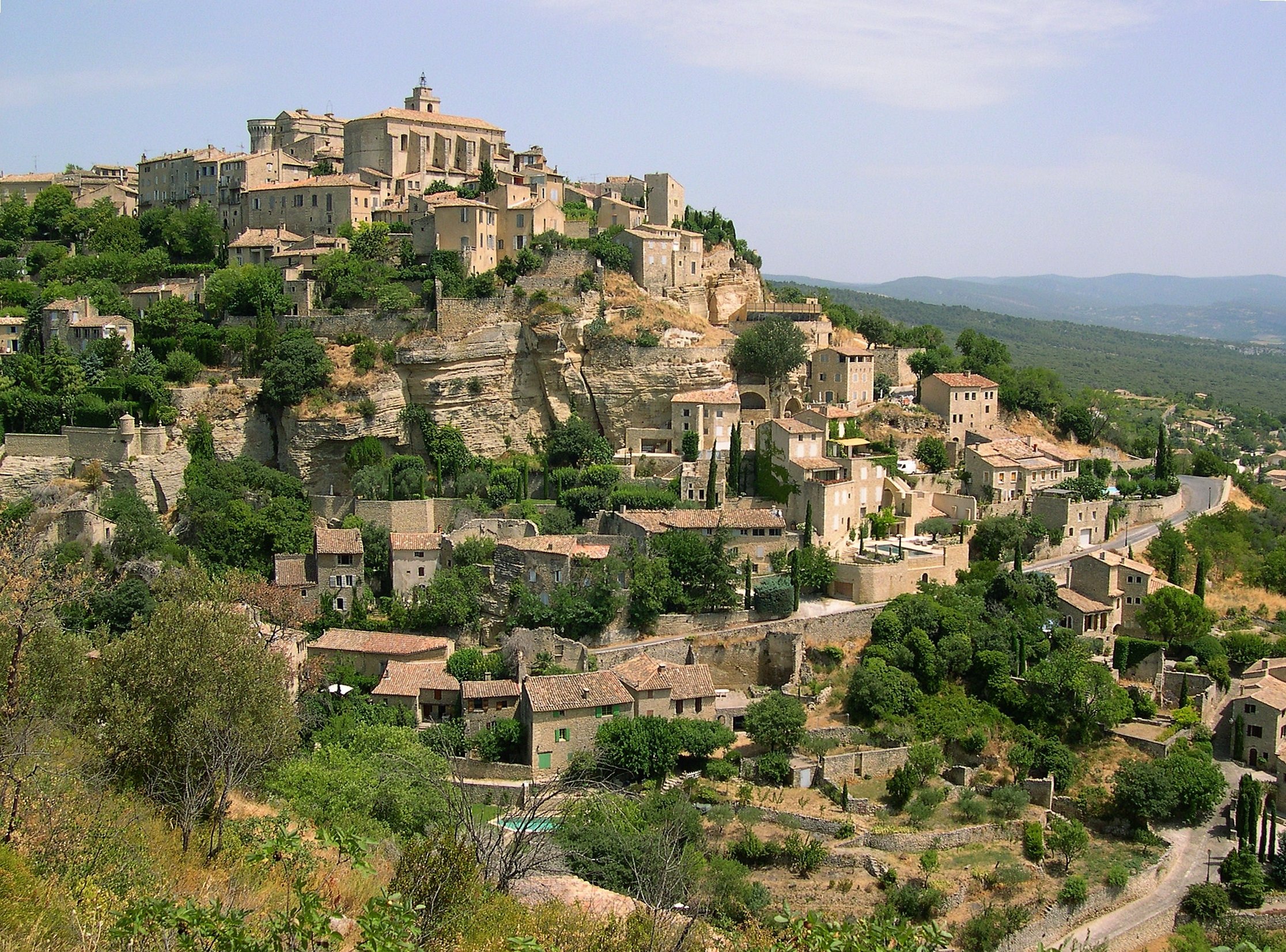
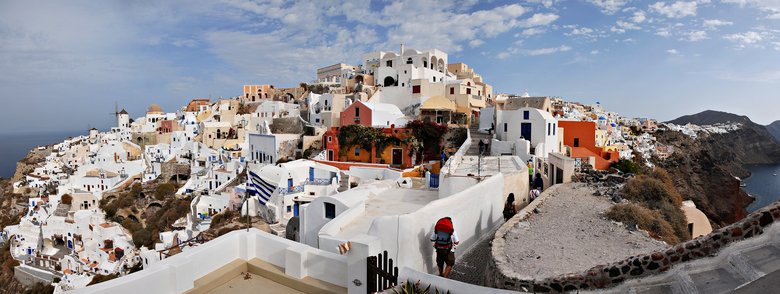
Southern Europe is the perennial draw: Italy, France, Spain, and Greece together attract more tourists than anywhere else on earth. The combination of food, coastline, climate, history, and cities that still feel lived-in is hard to beat. The Mediterranean summer is glorious, though it comes with crowds and prices to match — the shoulder seasons of May and September are often better.
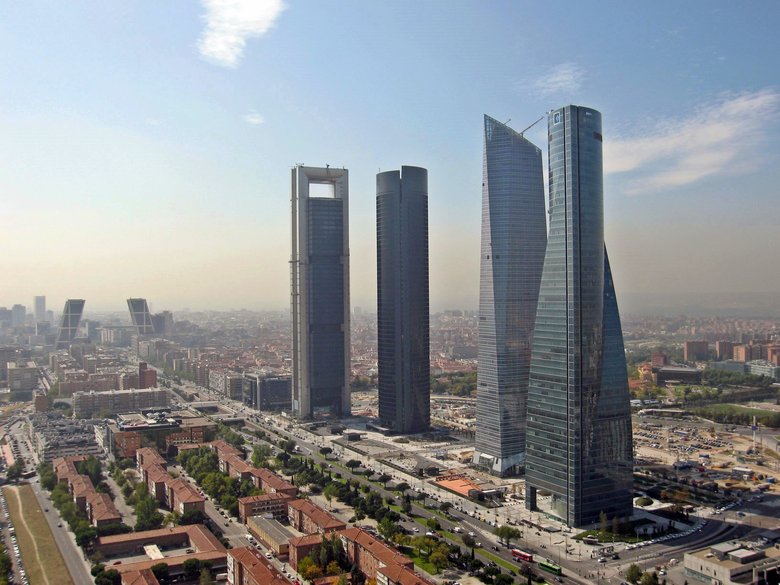
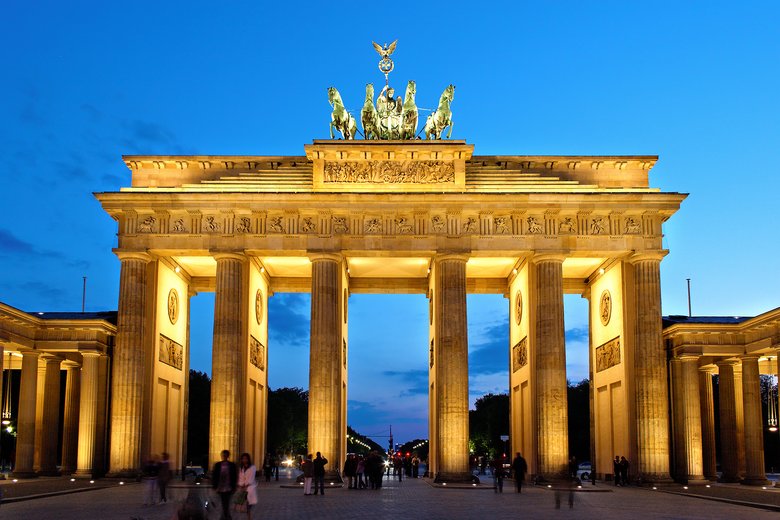
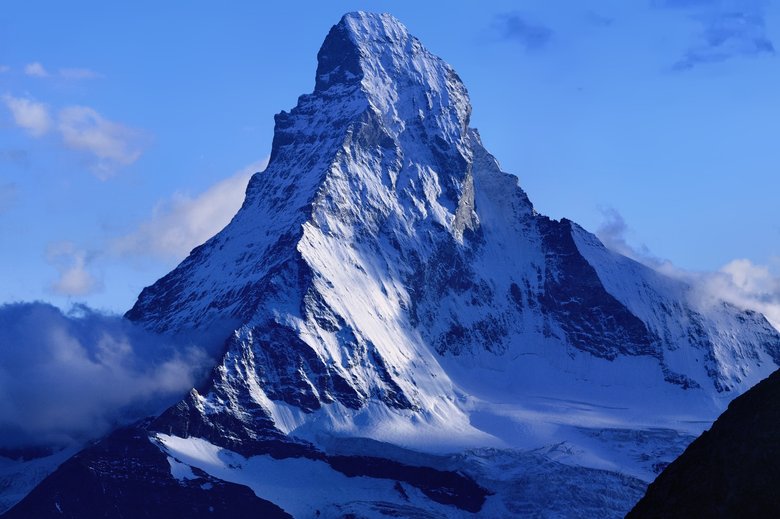
Central Europe rewards travelers who venture off the main tourist trail. Germany is far more varied than its reputation — romantic river valleys, medieval towns, and cities with serious cultural clout alongside the industrial heartland. Austria and Switzerland offer the Alps, two of the continent's most beautiful capitals, and a quality of life that shows in everything from the train timetables to the bread. Czech Republic, Hungary, Poland, and Slovakia offer much of what the west has — great cities, rich history, excellent food and drink — at prices that feel like a different era.
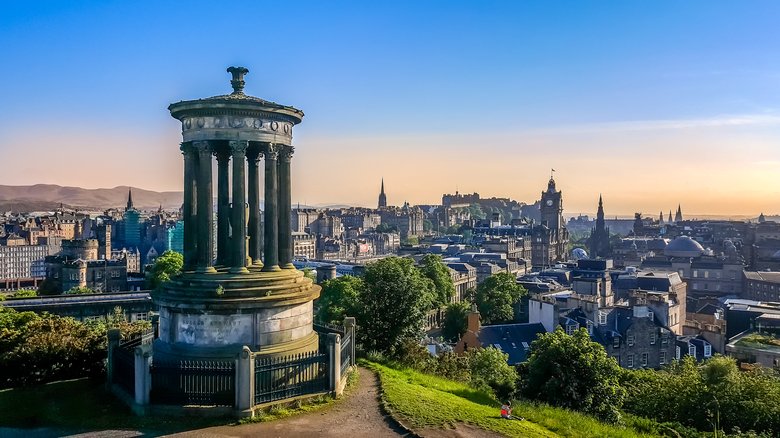
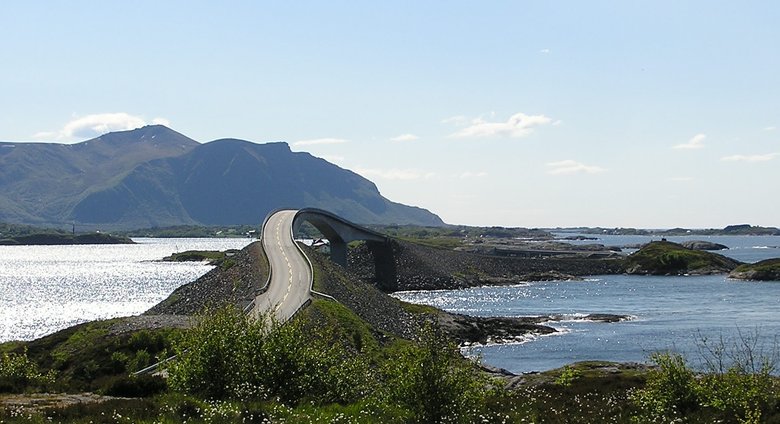
Northern Europe surprises visitors who write it off as cold and expensive. In summer, Sweden, Norway, Denmark, and Finland offer long daylight, outdoor culture, and cities that are among the most livable in the world. Iceland stands alone — geologically active, dramatically beautiful, and utterly unlike anywhere else. The United Kingdom and Ireland have their own textures: island mentalities, Celtic traditions that survive in surprising pockets, and a pub culture that still forms the backbone of social life.
Eastern Europe and the Balkans have been transformed since 1989 and keep improving. Croatia's Dalmatian coast now draws as many visitors as the French Riviera. Montenegro, Albania, and Slovenia are quieter, cheaper, and increasingly worth the effort. Romania and Bulgaria have landscapes and historical sites that barely register on most travelers' maps. Georgia and Armenia, depending on how broadly you draw Europe's eastern edge, offer a warmth of welcome and a richness of culture that make western European tourism feel transactional by comparison.
Travel is not cheap in western Europe, but it's rarely as expensive as feared if you plan ahead. Budget airlines make flying affordable; FlixBus and night trains fill the gaps. Eat at lunch instead of dinner. Stay slightly outside the center. The further east you go, the further your money stretches.