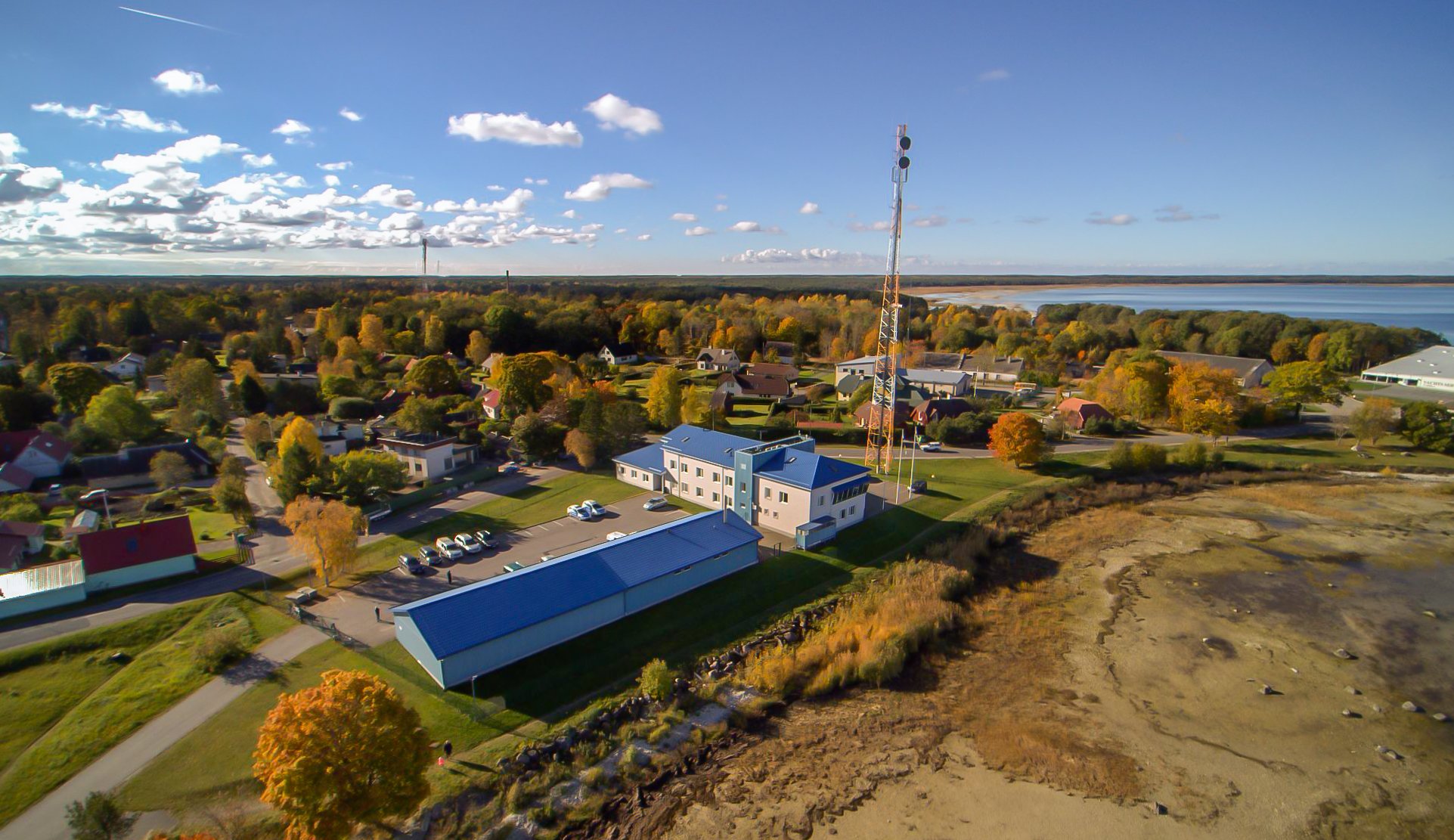
Hiiumaa is Estonia's second-largest island, lying in the eastern Baltic Sea west of the mainland. It is quieter and less visited than its larger neighbour Saaremaa, which suits the islanders fine. Life here moves at its own pace, and the islanders are known throughout Estonia for a dry, laconic humour that's become something of a national joke — and a point of local pride.
The landscape is flat to gently rolling, covered in juniper-studded coastal heaths, pine forests, and meadows that bloom richly in summer. The coastline is deeply indented, with dramatic limestone cliffs on the western tip and sheltered bays elsewhere. Birdwatching is excellent, particularly during spring and autumn migration when the island lies directly on major flyways.
The island's main town is Kärdla, a small, unhurried place that provides most basic services. The undisputed landmark of Hiiumaa is the Kõpu Lighthouse, built in 1531 and one of the oldest continuously operating lighthouses in the world — it guided mariners through the treacherous Neckmansgrund shallows for nearly five centuries. The Tahkuna Lighthouse at the northern tip is an elegant iron tower shipped from Paris in 1874 and the site of a brief but fierce battle in 1941.
Getting to Hiiumaa means a ferry from Rohuküla on the mainland to Heltermaa (about 90 minutes), or a shorter crossing from Triigi on Saaremaa. Flights connect Tallinn to Kärdla airport six days a week. Once on the island, a bicycle or rental car is the natural way to explore.