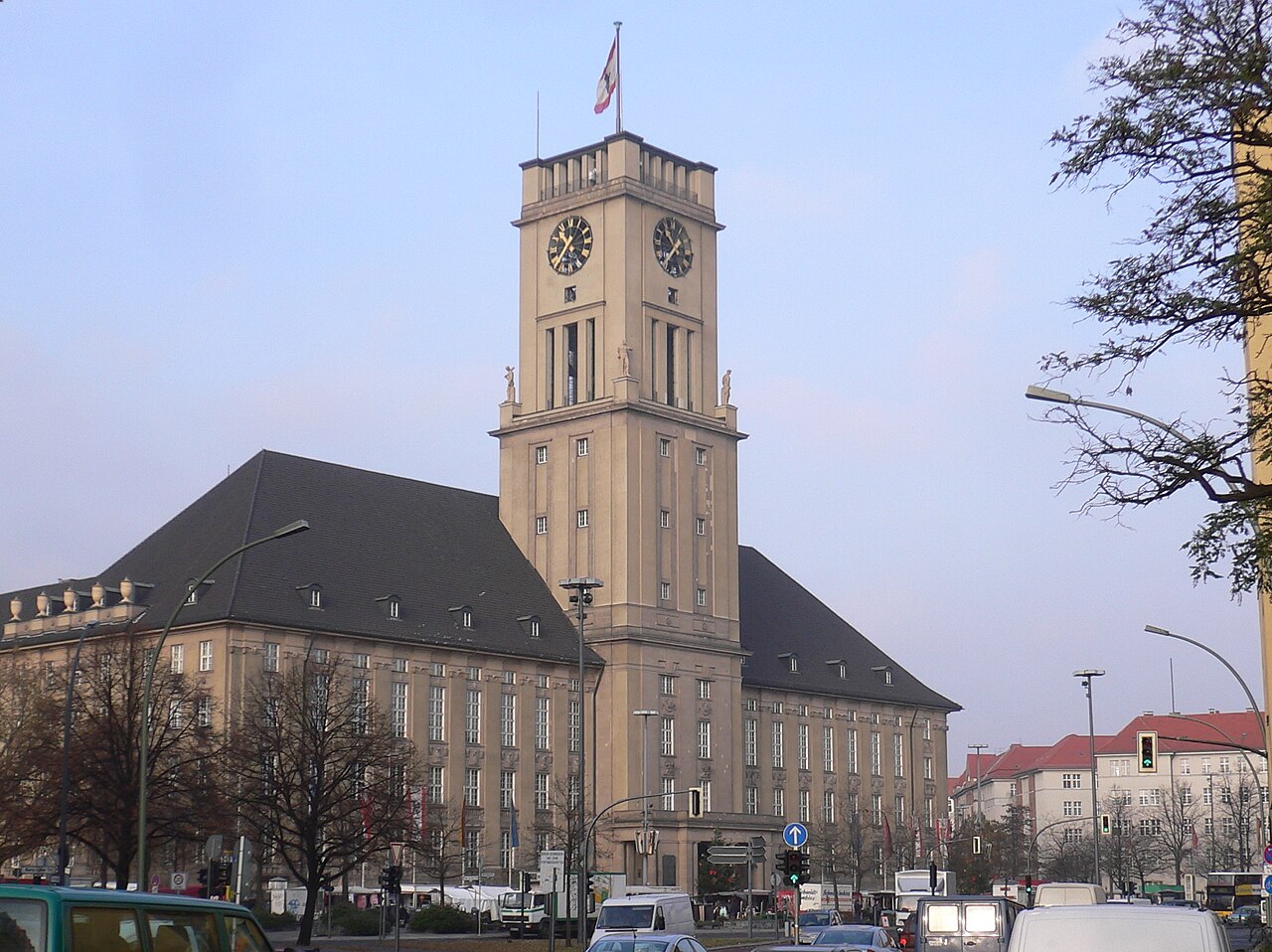
Schöneberg is one of Berlin's quieter, more settled neighbourhoods — a leafy district of 19th-century apartment blocks, bookshops, and café-lined squares that sits south of the Tiergarten between Mitte and Wilmersdorf. It was a separate city until 1920 and still feels a touch bourgeois compared to Kreuzberg next door, but the area around Nollendorfplatz has been the beating heart of gay Berlin since the 1920s, when Christopher Isherwood lived here and wrote the stories that became Cabaret. There is a plaque on the building where he lodged, at Nollendorfstraße 17.
The streets between Nollendorfplatz and Winterfeldtplatz are Schöneberg at its best: tree-lined, walkable, full of independent shops and places to sit outside. Winterfeldtplatz itself is the neighbourhood's social centre, with one of the best farmers' markets in the city on Wednesdays and Saturdays — locals come for the flowers, the cheese, and the morning coffee. From there, Goltzstraße and Akazienstraße run south, lined with bistros, wine bars, and the kind of unhurried cafés where an afternoon slides by. KaDeWe, the department store at Wittenbergplatz, is on the northern edge — Europe's biggest and worth visiting for the sixth-floor food hall alone.
Come here if you want a less frenetic, more residential Berlin — good restaurants, quiet streets, and the occasional reminder that this was where Marlene Dietrich was born, where David Bowie lived in the 1970s, and where Berlin's gay culture has been most at home for a century.