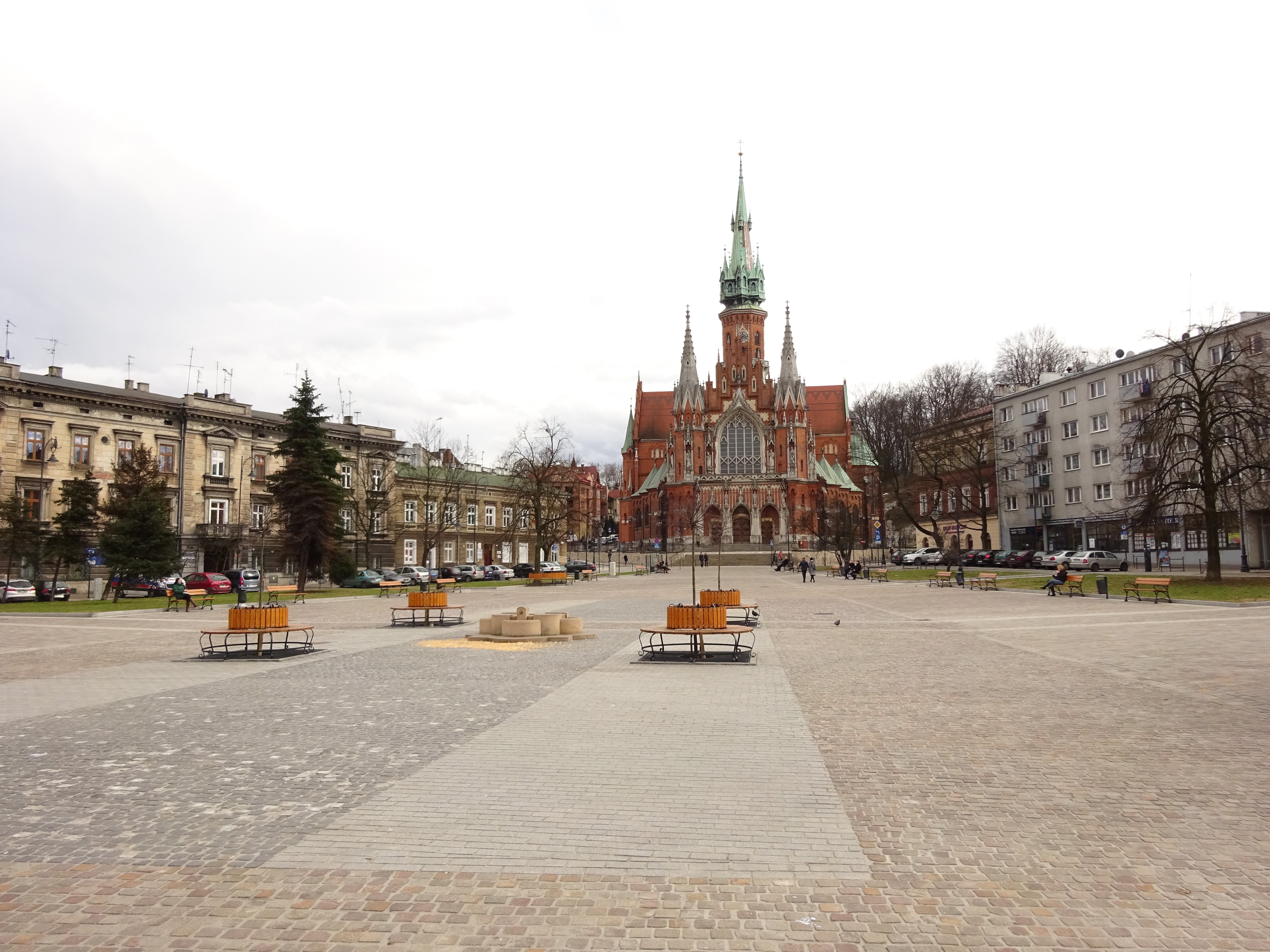
Podgórze, on the southern bank of the Vistula directly opposite Kazimierz, was an independent town until 1915 and retains a distinct character from the rest of Krakow. During the German occupation it became the site of the Krakow Ghetto — the Germans chose Podgórze deliberately, building a wall to enclose a section of the district's streets and forcing Krakow's Jews into what had been an ordinary working-class neighbourhood. The ghetto was liquidated in March 1943; Schindler's Factory stands at the district's eastern edge.
Today Podgórze is the fastest-changing neighbourhood in Krakow — its old industrial spaces and underpriced apartments have attracted artists and young residents priced out of Kazimierz, and the restaurant and bar scene around Plac Bohaterów Getta and Ulica Kalwaryjska is becoming increasingly good. The main historical draws are the Eagle Pharmacy museum (which remained inside the ghetto walls throughout the occupation), the Memorial of Empty Chairs on Plac Bohaterów Getta, and the remains of the ghetto wall that can still be seen on Ulica Lwowska. From Podgórze you can also walk up to the Krzemionki Hills for the best panoramic view of Krakow.