Navarre sits between the Pyrenees and the Ebro valley, a small region with an outsized history. For centuries it was an independent kingdom, caught between France and Spain, and that fierce independence still shows in everything from local politics to the food on the table.
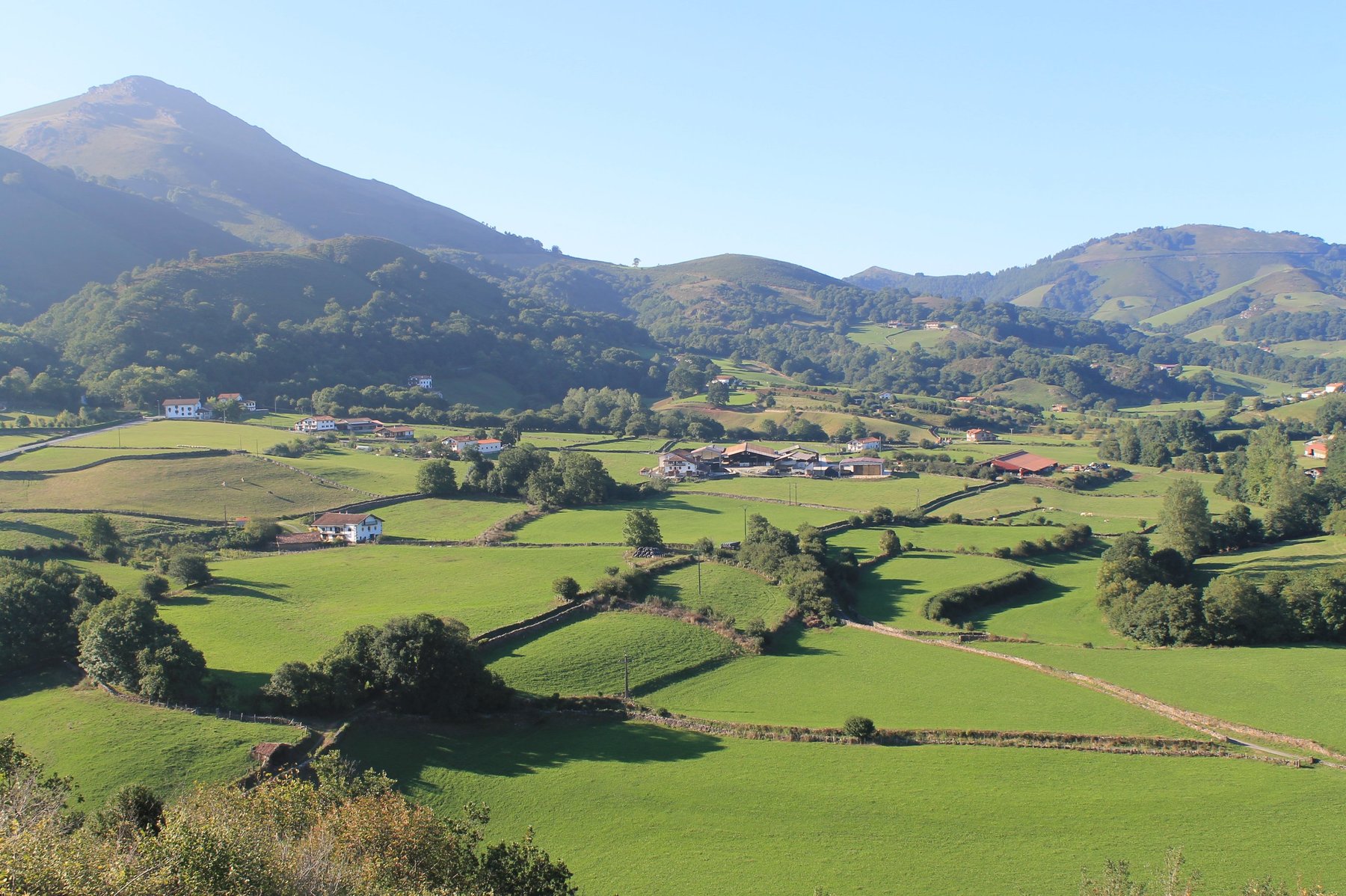
The landscape shifts dramatically from north to south. The green, mountainous north feels almost Alpine -- deep beech forests, rushing rivers, and villages of stone farmhouses tucked into narrow valleys. The south opens into the wide, dry plains of the Ribera, where vineyards and olive groves stretch to the horizon. Between them, the rolling hills of the Zona Media produce some of Spain's best rosado wines.
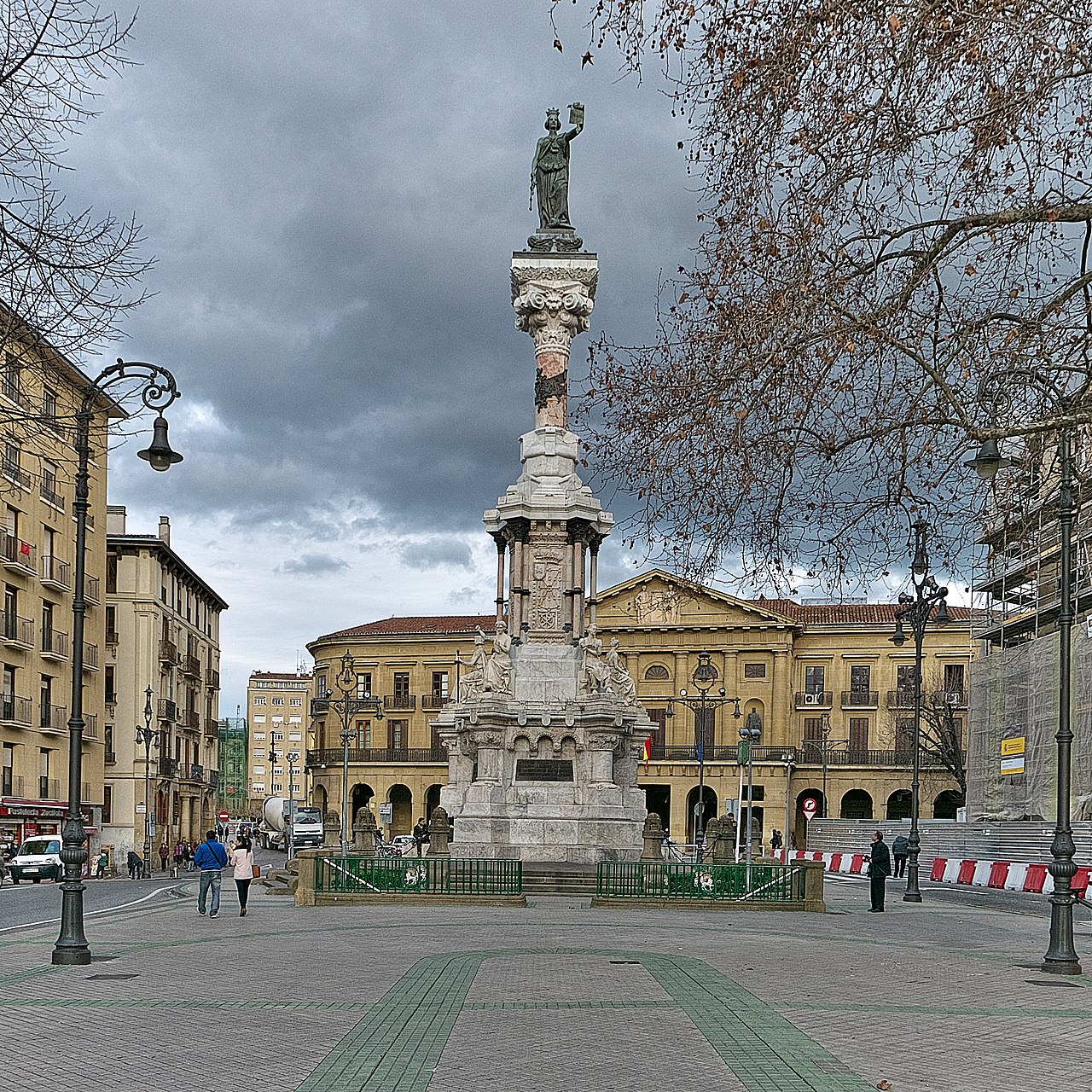
Pamplona, the capital, draws worldwide attention every July for the San Fermin festival and its famous running of the bulls. But the city deserves more than a festival visit -- its medieval old town, excellent food scene, and position as a major stop on the Camino de Santiago make it worth a proper stay.
Beyond Pamplona, Navarre rewards those who explore. The Bardenas Reales is a semi-desert badlands that looks like it belongs in Utah. The medieval villages of the Baztan valley feel like stepping back centuries. And the Romanesque churches scattered across the countryside -- Eunate, Aralar, Santa Maria de Ujue -- are among the finest in Spain.