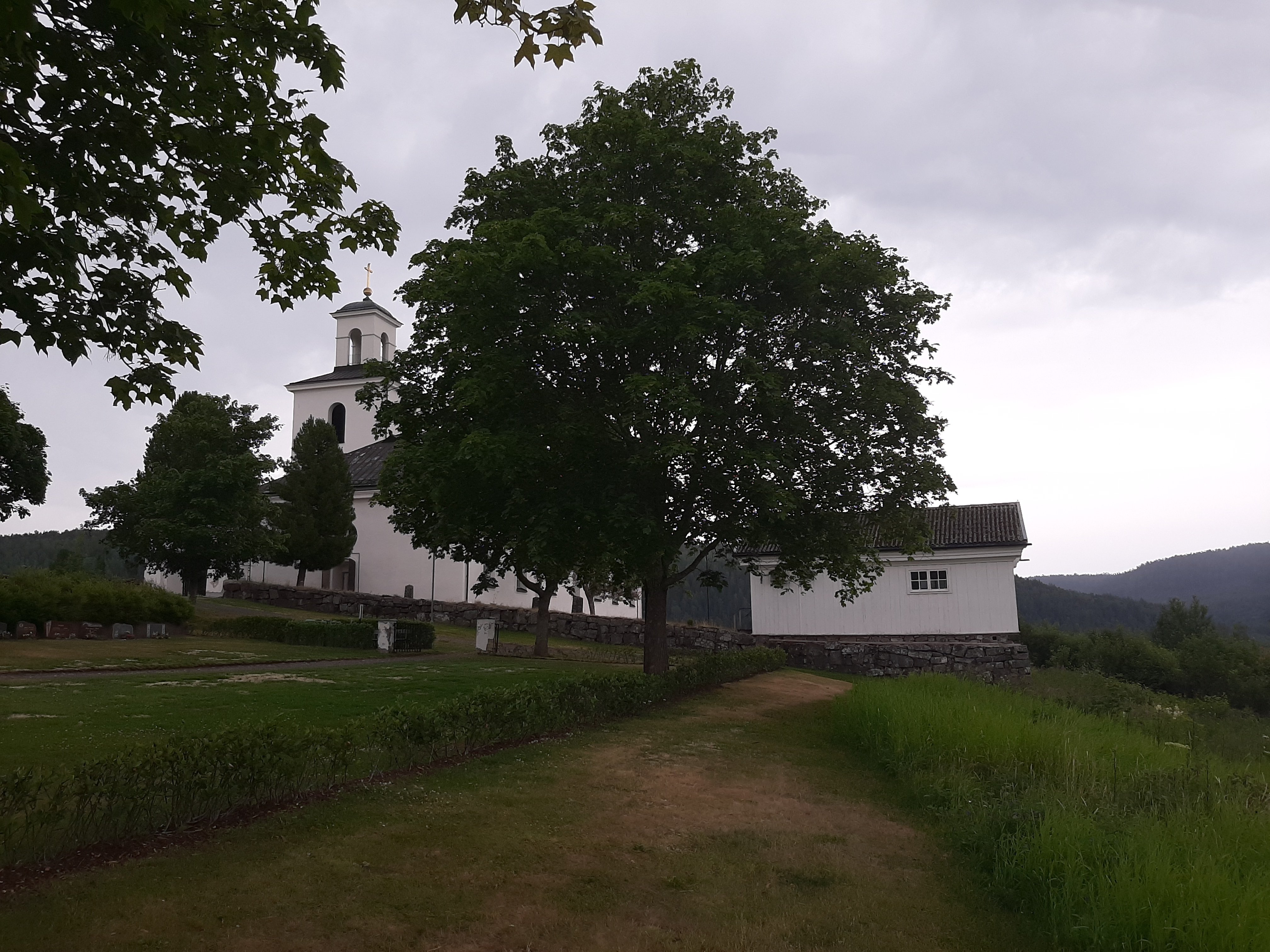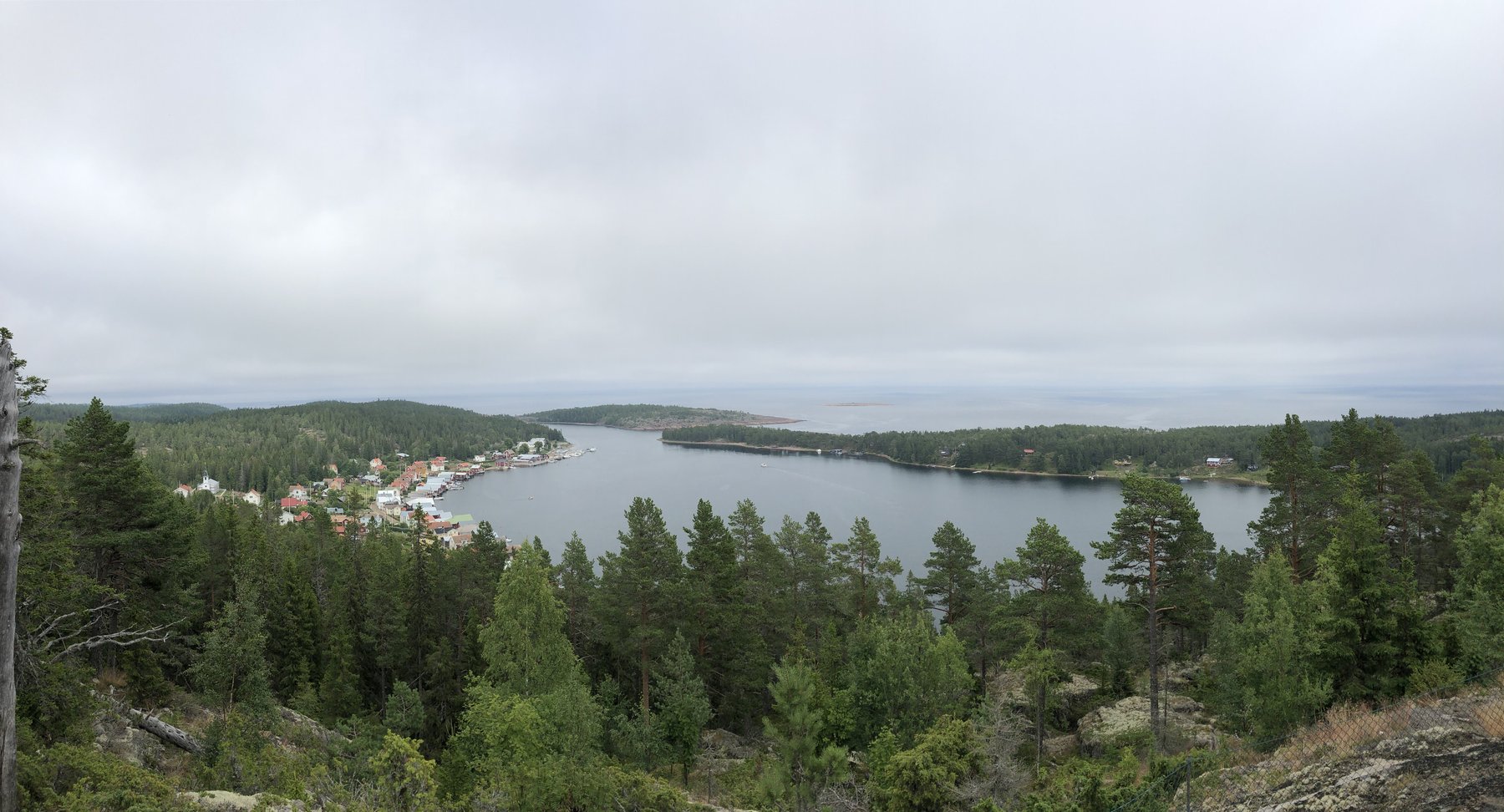
The High Coast (Höga Kusten) is a UNESCO World Heritage Site along the eastern side of central Sweden, on the Bothnian Sea. What makes this stretch of coastline extraordinary is the isostatic land uplift — during the last ice age, the land was pressed down under the immense weight of glacial ice. When the ice melted, the land began rising again, a process that continues today, though at a decreasing rate. The maximum extent of the uplift is found here: land up to 285 metres above the present sea level was once under water.
What has emerged from the sea is a dramatic landscape with a rugged topography. Lush farmland in the valleys alternates with barren mountains and pine forests. There is little soil on the hilltops — easy to understand when you consider that these same hills were once naked skerries in the sea. Some hills rise above the highest ancient shoreline, and these carry a distinctive "cap" of dense forest on top, a visible marker of where the sea never reached.
The area is crossed by the Ångermanälven river, spanned by the striking High Coast Bridge — effectively the gateway to the region from the south. Skuleskogen National Park, with its steep terrain, exposed rock faces, and wild shoreline, is the highlight for hikers. The High Coast Trail (Höga Kustenleden) runs 128 kilometres through the landscape, connecting many of the best viewpoints and villages.