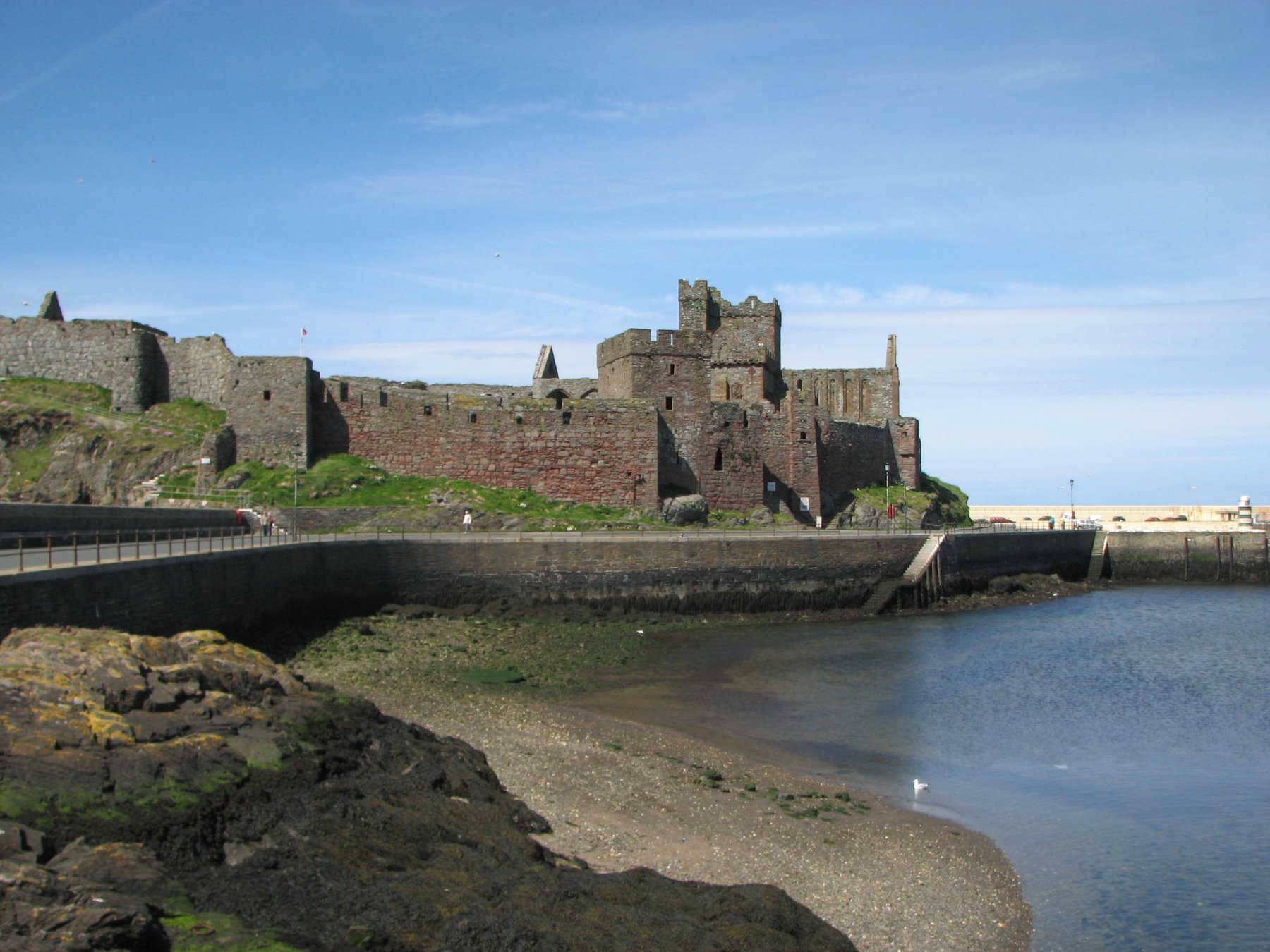
The Isle of Man sits in the Irish Sea, roughly equidistant from England, Ireland, Scotland and Wales. It is a self-governing Crown dependency with its own parliament, Tynwald, which has been running continuously since 979 AD -- one of the oldest legislative bodies in the world.
The island is just thirty-one miles by thirteen, but packs in a surprising range of landscape: rugged moorlands, wooded glens, sandy beaches, lonely castles, and scores of standing stones and Celtic crosses. The coastline stretches over a hundred miles and is largely unspoilt -- the kind of place where you can walk for hours and barely see another soul.
Getting here takes some effort (the Steam Packet Company runs ferries from Liverpool, Heysham and Belfast, and there are flights from several UK airports), and the weather is reliably unreliable. Both factors have kept mass tourism at bay. There are no mega-resorts here, just Victorian promenades, steam railways, cream teas, and villages that feel like they have not changed much since the 1950s.
The capital, Douglas, curves around a wide bay on the east coast and is the main port of arrival. To the south, the ruins of Rushen Abbey sit near Ballasalla. Laxey, on the northeast coast, is home to the famous Lady Isabella waterwheel, and from there the Snaefell Mountain Railway climbs to the island's highest point at 621 metres -- on a clear day you can see England, Ireland, Scotland and Wales from the summit.
The island is perhaps best known internationally for the Isle of Man TT, a motorcycle road race held every May and June on public roads. It has been running since 1907 and remains one of the most dangerous sporting events in the world, drawing tens of thousands of bikers and spectators each year.