Anglesey — Ynys Môn in Welsh — is a large island off the northwest coast of Wales, connected to the mainland by two famous bridges over the Menai Strait: Thomas Telford's suspension bridge of 1826 and Robert Stephenson's Britannia Bridge carrying the railway. Despite the easy crossing, the island has a character quite distinct from the Welsh mainland. It is flatter, wider, and more agricultural than Snowdonia just across the water, with a long coastline of bays, sandy beaches, and sea-cliffs that makes it one of Wales's best coastal destinations.
The island has been inhabited for thousands of years and has an unusual density of ancient monuments. Din Lligwy on the northeast coast preserves a Neolithic burial chamber, a walled Roman-era settlement, and a medieval chapel within a few hundred metres of each other. Holy Island, at the western tip, contains Holyhead Mountain with Iron Age hut circles on its summit — modest in height but commanding remarkable views. The island was also the last stronghold of the Druids before the Roman conquest.
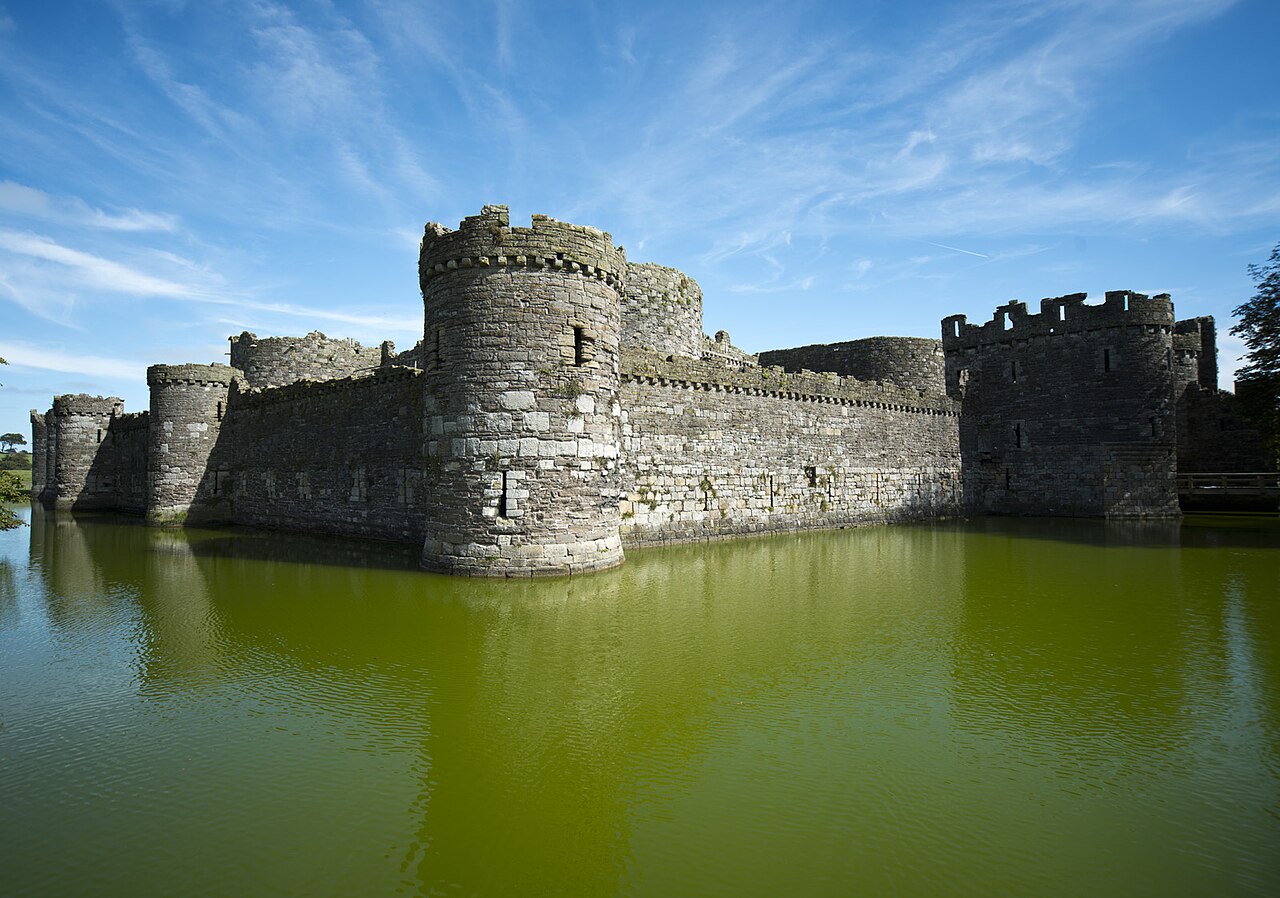
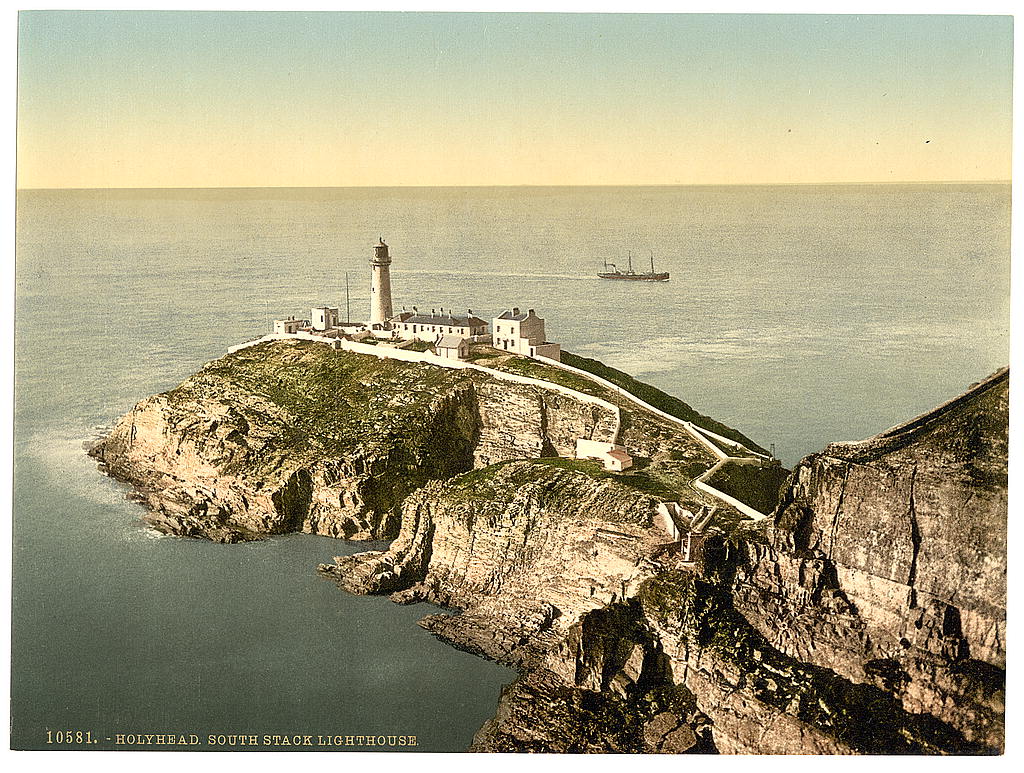
Beaumaris on the eastern shore is the most architecturally distinguished town on the island, with its concentric Edward I castle — considered the most technically perfect of its kind in Britain. The port of Holyhead is the main ferry terminal for Ireland and has a Roman fort intact in the town centre, with seabird cliffs at South Stack nearby. The island is small enough to explore thoroughly in a few days and is a straightforward detour from the main tourist circuit of Snowdonia.