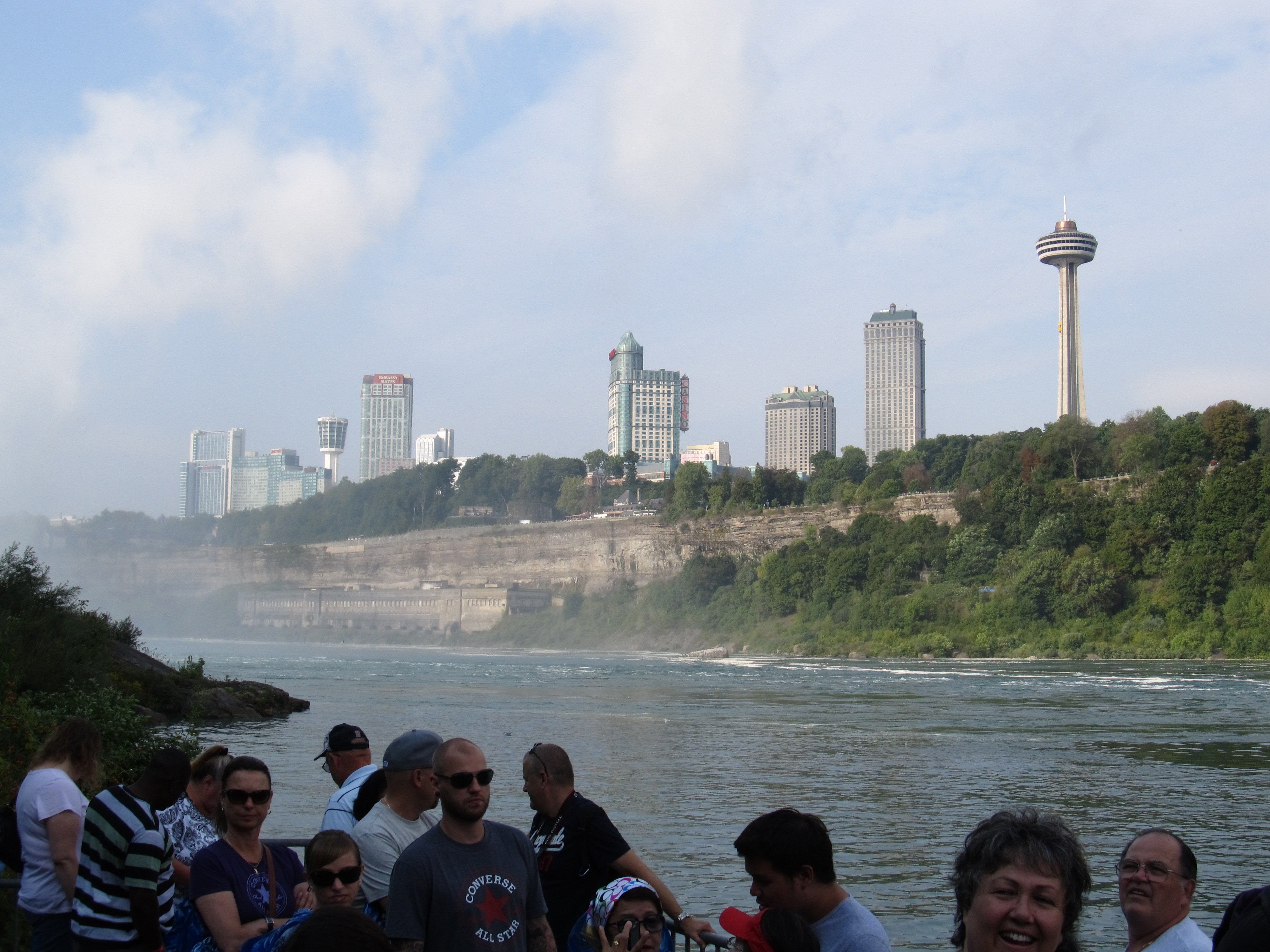
Ontario wine and waterfall region between Lake Erie and Lake Ontario, shaped by rivers, canals, and border history.
Niagara Region is the compact corner of southern Ontario where Canada does spectacle and small pleasures in the same afternoon. The obvious draw is Niagara Falls, but the region is more than a waterfall stop: it has vineyard roads, War of 1812 battlefields, canal towns, lake beaches, and a surprisingly good food-and-wine scene packed into a short drive.
The Niagara River forms the eastern edge, cutting a gorge between Canada and the United States before spilling over the falls. North along the parkway, Niagara-on-the-Lake is the polished counterpoint to the neon around the falls, with theatre, inns, and wineries. Inland, St. Catharines is the practical urban centre, Welland is built around the canal, and Fort Erie looks across the river to Buffalo.
The best way to see Niagara is not to rush straight to the brink and leave. Walk the Niagara Glen, ride the Whirlpool Aero Car, watch a freighter climb through the Welland Canal Lock 3, then spend the evening in wine country. It is busy, commercial, and sometimes shamelessly touristy, but the geography is strong enough to survive all that.
Guide
Getting Around
A car makes Niagara much easier. The region is spread along the river, lake shore, and escarpment, and public transport between wineries, conservation areas, and small towns is limited.
Within Niagara Falls, WEGO buses connect the main visitor areas and Niagara Parks sights. Cyclists do well on the Niagara River Recreation Trail and the flatter wine-country roads around Niagara-on-the-Lake, though weekend traffic near the falls can be impatient.
Guide
Getting There
Most visitors arrive by car. The Queen Elizabeth Way links Niagara with Toronto, Hamilton, St. Catharines, Niagara Falls, and Fort Erie; traffic can be heavy on summer weekends. GO Transit and VIA Rail serve Niagara Falls and St. Catharines, with more frequent seasonal trains and buses from the Toronto area.
Buffalo Niagara International Airport is often the closest useful airport for travellers coming from the United States. Toronto Pearson has far more international flights but is a longer and more traffic-prone drive.