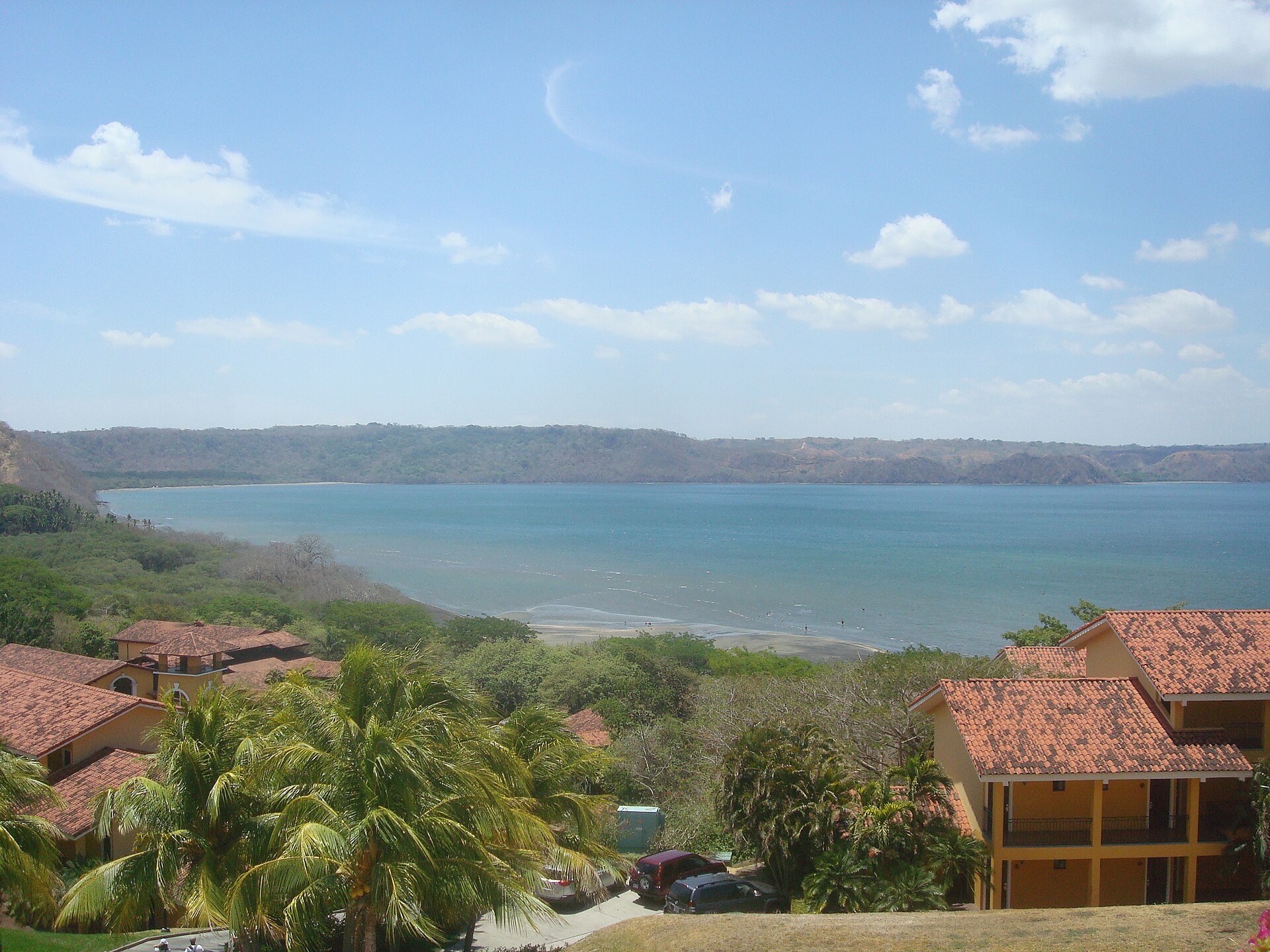
Gulf of Papagayo
©
Gulf of Papagayo

Gulf of Papagayo

Guanacaste resort gulf with sheltered Pacific waters, dry-season sunshine, and beach-lined coves.

The Golfo de Papagayo cuts into the northern Pacific coast of Guanacaste province, sheltered enough that its waters stay calm even when the open ocean is rough. That calm, combined with one of Costa Rica's longest dry seasons — sunshine dominates from November through May — has turned the peninsula into the country's most concentrated resort corridor.

The development here is deliberately upscale. The Papagayo Peninsula itself is a government-designated tourism zone where large international resort hotels occupy private stretches of beach. Outside the resort gates, smaller beaches along the gulf's northern and eastern shores are mostly deserted, reached by dirt roads that still discourage casual visitors.

The gulf's real draw beyond the beach is what lies beneath: the warm, nutrient-rich waters around the Islas Murciélagos (Bat Islands), a short boat ride offshore, attract bull sharks, manta rays, and schools of tuna. Dive operators based at the marinas run day trips there regularly. Sport fishing, kayaking the rocky coastline, and boat excursions to secluded coves fill out the water-based options. The closest airport is in Liberia (LIR), about 35 km to the east, which receives direct international flights during high season.

Guide

Beaches

The gulf's most accessible beach is Playa Hermosa, a long crescent of dark sand a few kilometres north of the Papagayo Peninsula junction. It's calm and swimmable year-round, with a handful of smaller hotels and restaurants along the road behind it. Sunsets are reliable theatre.

Playa del Coco is the most developed town beach on the gulf — busy, a bit scruffy, with dive shops, seafood restaurants and a weekly market. It lacks the scenery of quieter spots but is useful as a base: boat charters, dive trips and shuttles to other beaches all operate from here.

Further north, Playa Ocotal is a small cove just south of Coco, sheltered and cleaner, popular with snorkellers. The rocky headlands shelter it from swell and the visibility underwater is often good even when other beaches are stirred up.

On the Papagayo Peninsula itself, Playa Nacascolo is technically accessible to the public (Costa Rican law guarantees beach access) but the dirt road and lack of facilities mean it stays relatively empty — a reward for those who make the effort.

Guide

Getting There

The closest airport is Daniel Oduber Quirós International Airport in Liberia (IATA: LIR), about 35 km east of the gulf. Direct flights arrive from North American cities including Miami, New York, Toronto and Dallas during the high season, making Liberia the obvious entry point for Guanacaste visitors. A taxi from the airport to Playa del Coco or Playa Hermosa takes around 35–40 minutes.

From San José, the drive to the gulf takes around four hours on the Interamerican Highway north. Shared shuttles run daily between San José and Playa del Coco, the main hub town on the gulf; most shuttle companies also serve Tamarindo and other beach destinations with connections through the gulf area. Public buses from San José to Liberia are frequent and cheap — from Liberia, local buses and taxis cover the last stretch to the beach towns.

Car rental is the most flexible option if you plan to explore multiple beaches; the roads between them are mostly paved now but a 4WD is useful if you want to reach the more remote spots on the peninsula during the rainy season.

Guide

When to Go

Guanacaste's dry season runs from late November to early May — longer and more reliable than anywhere else in Costa Rica. During these months, the gulf gets almost no rain, the roads are passable and the winds that scour the peninsula in January and February make the air fresh even at midday. High season peaks December through March, when hotel prices rise and availability at popular spots tightens.

The rainy season (May through October) is not unpleasant: mornings are usually clear, rain falls in heavy afternoon showers that blow through quickly. The landscape turns green and the gulf empties of tourists. Rates drop significantly and diving conditions can be excellent — visibility is often better after the rains flush nutrients into the water around the Bat Islands. September and October see the heaviest rainfall and some roads to remote beaches become impassable.

The Papagayo winds arrive in December and blow hard through February. They can make open-water boat trips choppy and certain beaches uncomfortable on gusty days, but they also keep temperatures down to manageable levels and are excellent for windsurfers and kitesurfers at the right spots.