Costa Rica punches well above its weight. A country roughly the size of Denmark holds something like 5% of the world's known species, has coastlines on two oceans a few hours' drive apart, a spine of active volcanoes down the middle, and no army — it abolished the military in 1948 and put the money into schools and hospitals instead. That decision shaped a stable, confident country that takes visitors more or less in its stride.
It is also the most visited country in Central America, and it shows. Tourism infrastructure is genuinely good and occasionally overbearing; the famous parks and beaches are busy from December to April, prices are closer to North American than Central American, and the wildlife lodges know exactly what they are worth. Go a valley further than the brochure and the crowds thin out fast.
The Central Valley
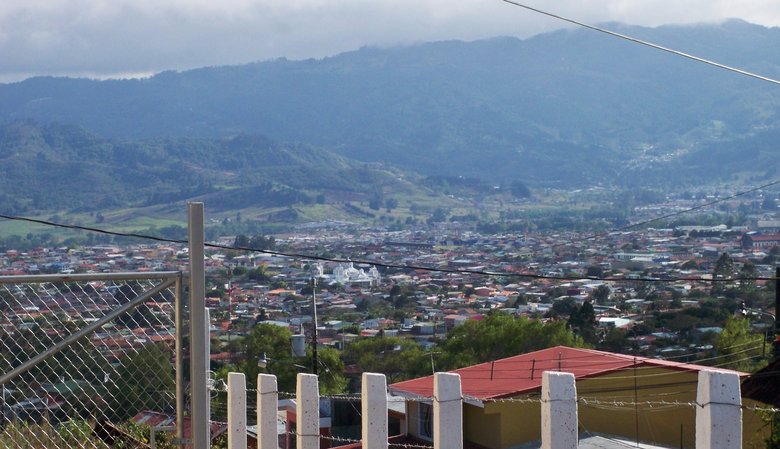
Most Costa Ricans live in the high basin in the middle of the country, and almost every visitor passes through it. San José is the transport hub and has the museums — gold, jade, the National Theatre — without being a place many people linger. Alajuela next to the airport makes an easier first or last night, and Cartago, the capital until 1823, has the basilica that a million people walk to every August and a roofless church with a tree growing inside it.
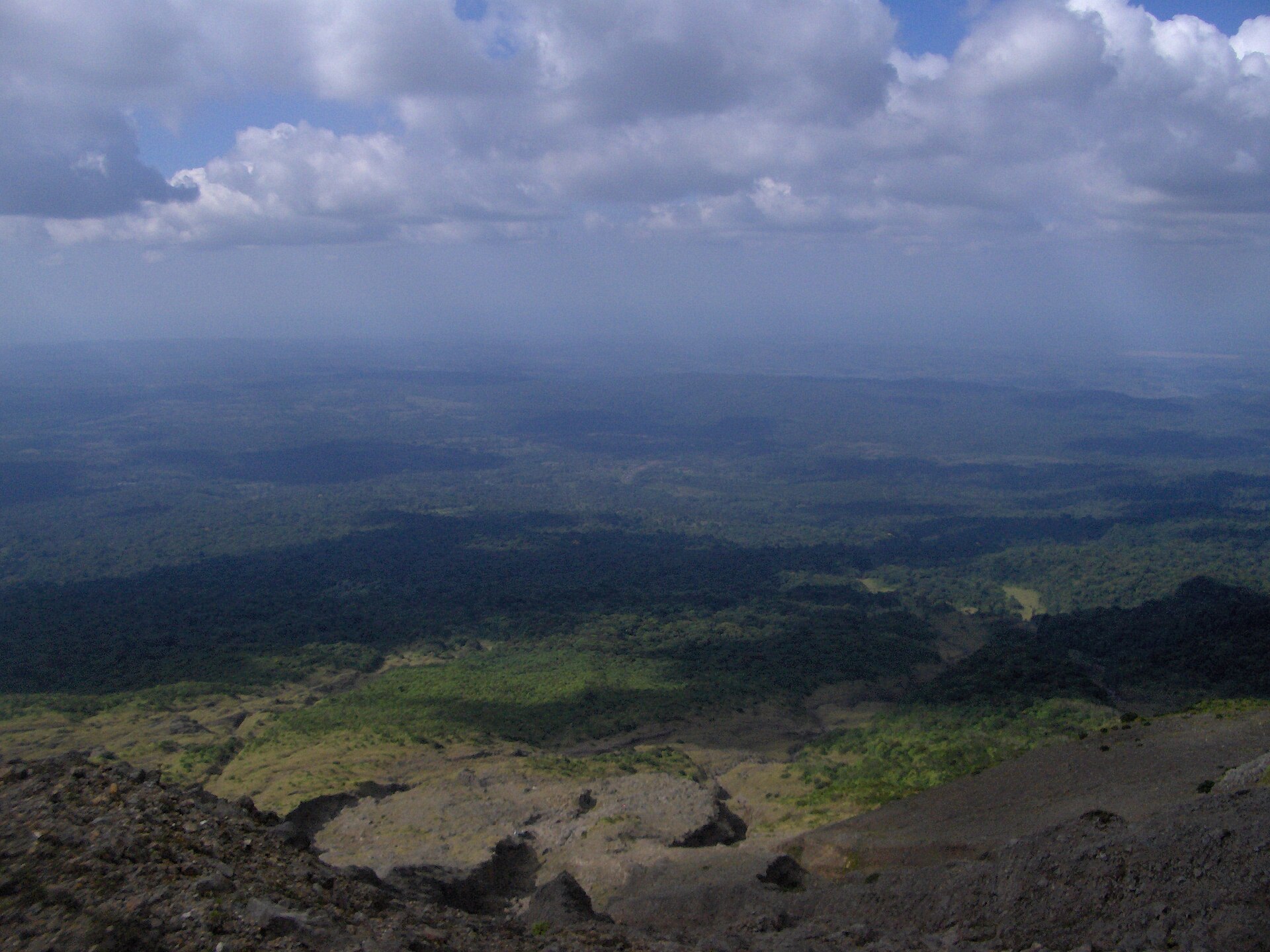
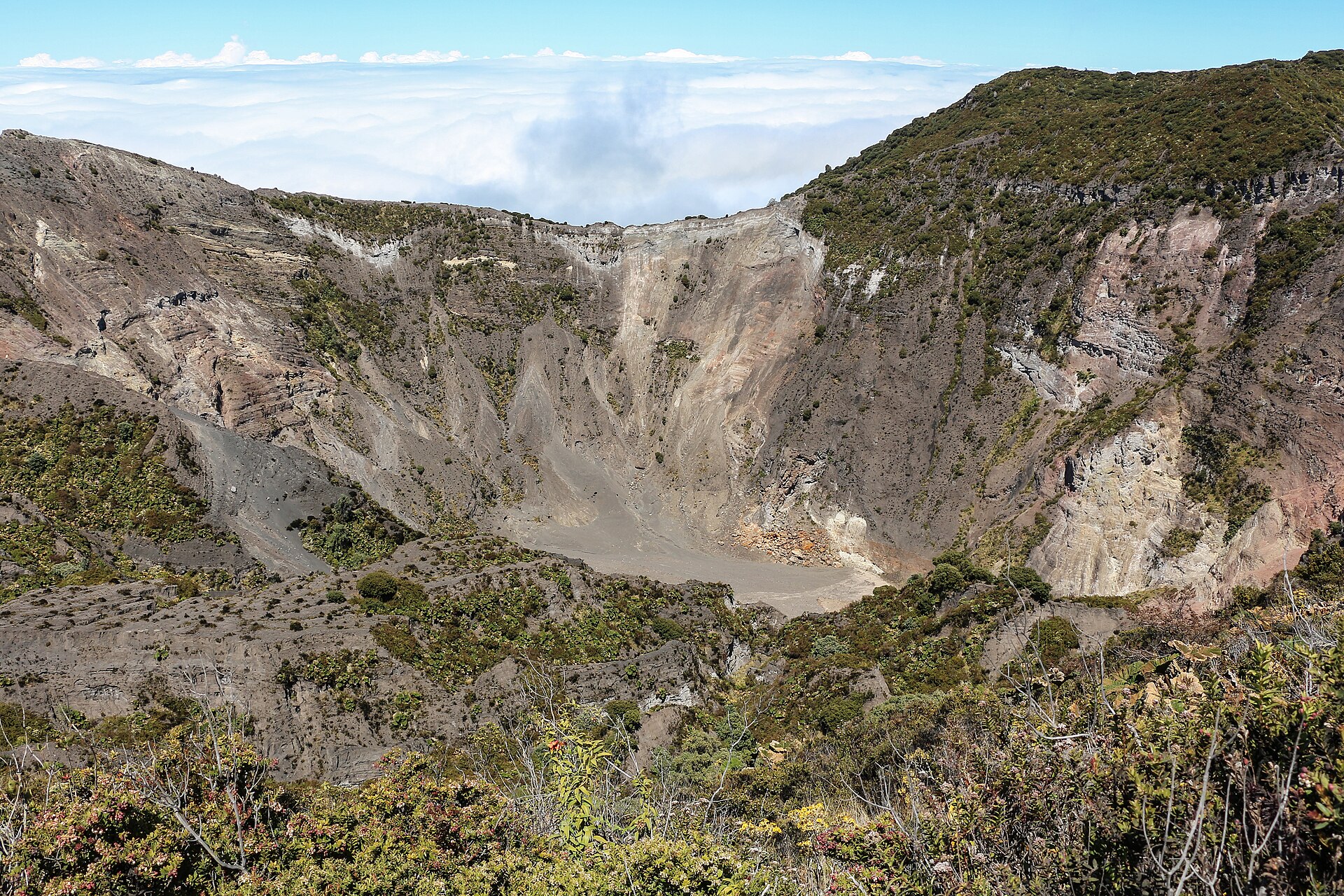
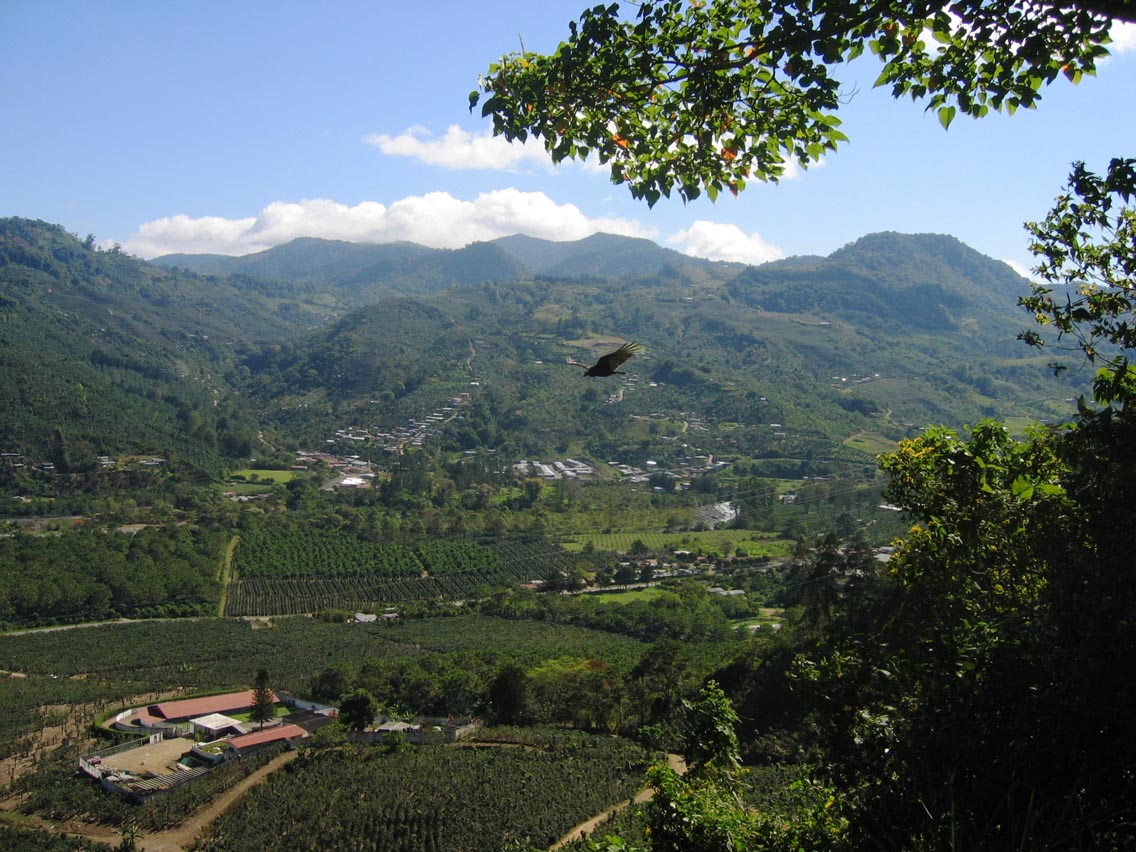
Around the rim are the volcanoes: Poás with its acid crater lake, Irazú, which you can drive to the top of, and Turrialba out to the east, where the whitewater is. The Orosi valley south of Cartago is coffee terraces, hot springs and the oldest church still in use in the country.
The north
La Fortuna sits under Arenal, the near-perfect cone that erupted nightly from 1968 until it went quiet in 2010; the hot springs and the hanging bridges around it are the busiest attractions in the country. Monteverde, reached by a road that has defeated better cars, is the cloud forest everyone means when they say cloud forest — and the place the canopy zipline was invented.
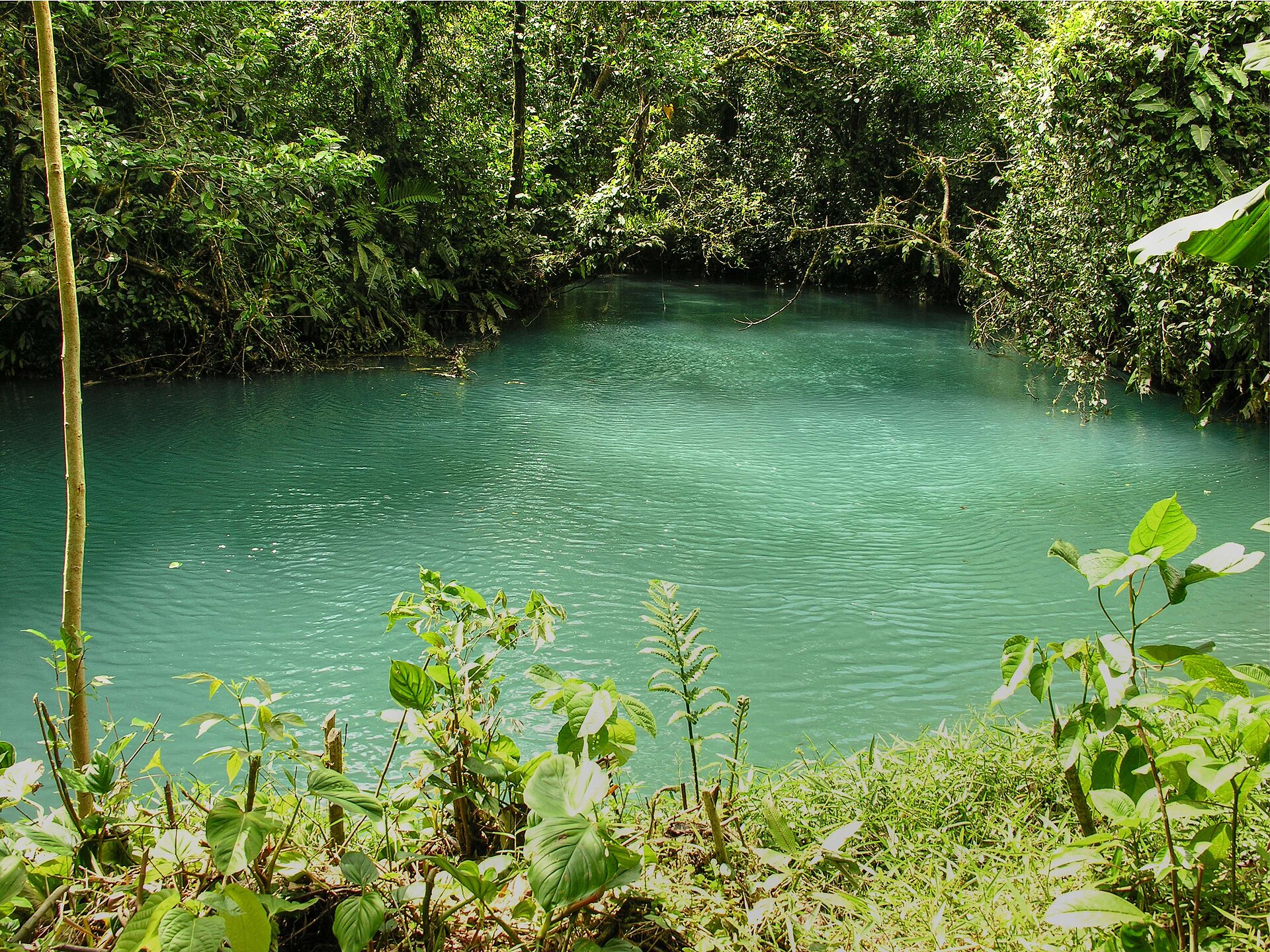
Quieter: Río Celeste in Tenorio park, where two clear streams meet and the water turns turquoise, and Sarapiquí in the lowlands, which is the cheapest serious wildlife watching in the country.
Guanacaste and Nicoya
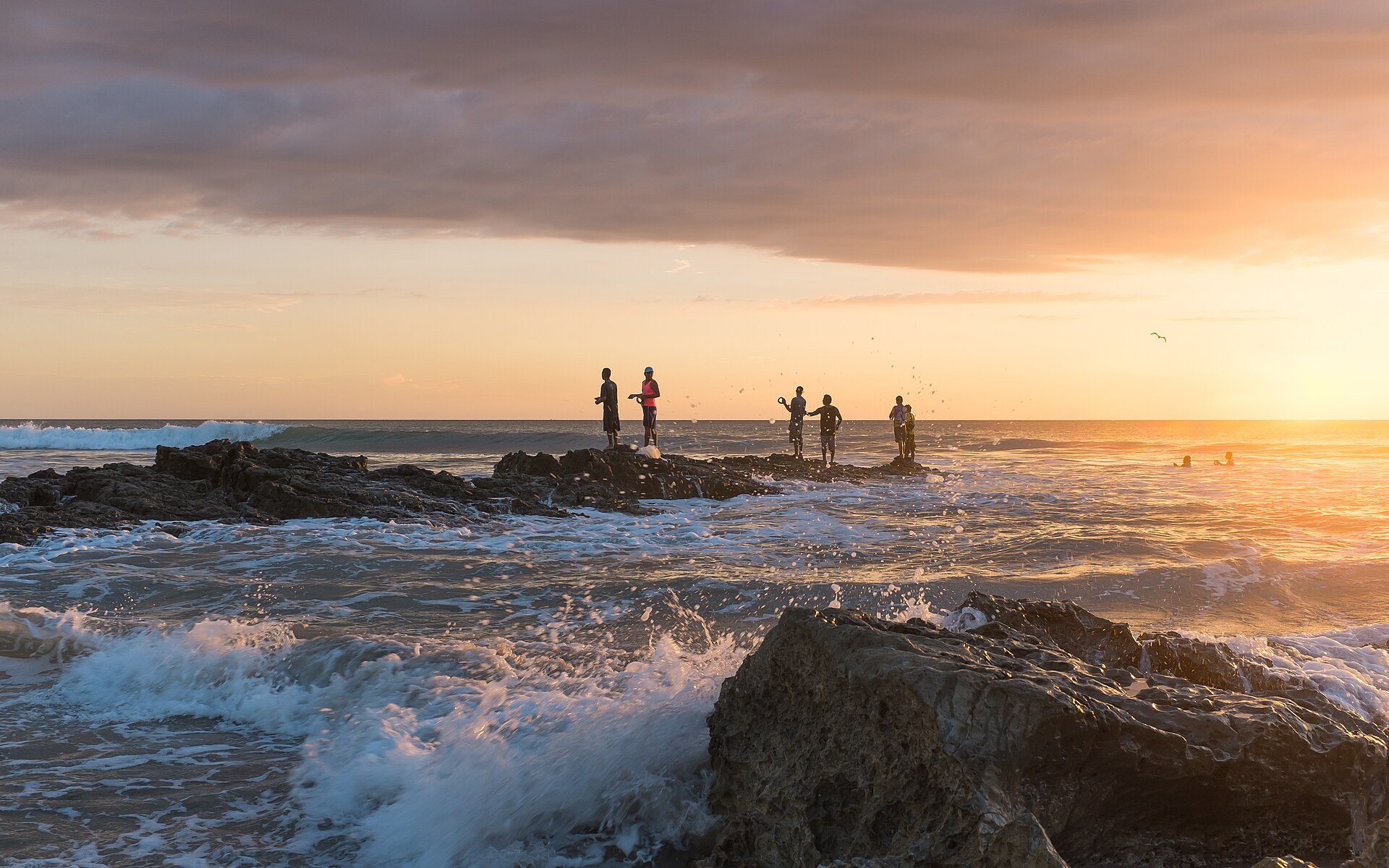
The dry northwest has the reliable sunshine and most of the beach resorts. Liberia has the second international airport and the road to Rincón de la Vieja, an active massif of mud pots and fumaroles. The coast runs from Playas del Coco and the Gulf of Papagayo down through Playa Flamingo and Tamarindo to Sámara and Nosara, where the surf, the yoga and the olive ridley arribadas are.
Further down the peninsula the road gets worse and the towns get better: Montezuma and Santa Teresa at the southern tip are reached by ferry from Puntarenas and are hard to leave.
The Pacific coast
Jacó is the weekend beach for San José and is not subtle. Manuel Antonio above Quepos is the small, spectacular, extremely busy national park where the sloths and squirrel monkeys are more or less guaranteed. South of it the coast quietens through Dominical to Uvita, where a sandbar shaped like a whale's tail runs out into a bay that humpbacks from both hemispheres visit.
The south and the Osa
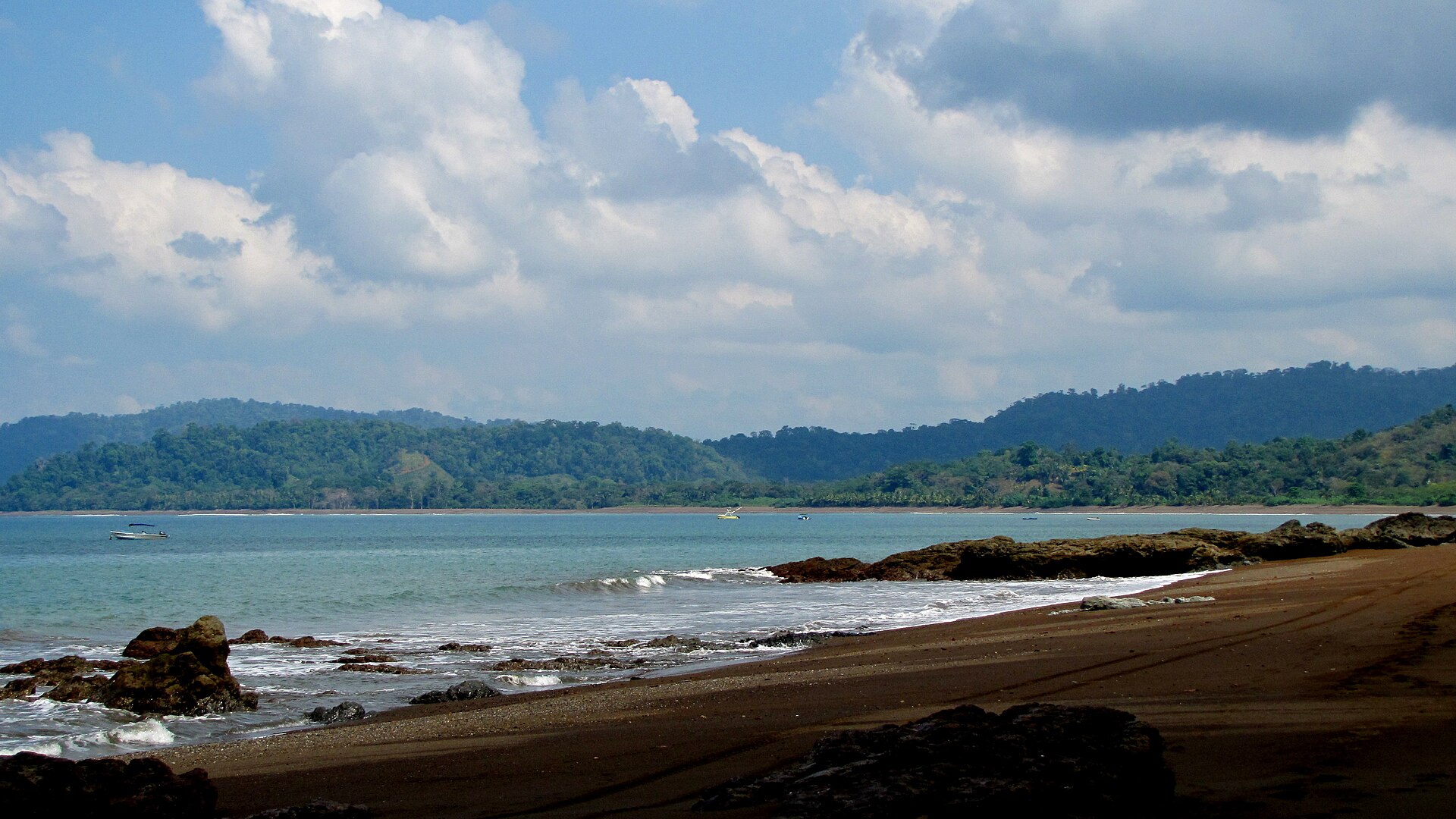
The far south is where Costa Rica stops being tidy. Corcovado on the Osa Peninsula is the most biologically intense place in the country — National Geographic's phrase, and not much of an exaggeration — reached from Puerto Jiménez on one side or Drake Bay on the other. Inland, Chirripó is the highest point in the country at 3,820 metres, climbed overnight from San Gerardo de Rivas.
The Caribbean
The east coast is a different country: Afro-Caribbean, English-Creole-speaking in places, slower and wetter. Limón is the port and the centre of it. South along the Talamanca coast, Cahuita has a reef-fringed national park and Puerto Viejo de Talamanca has the surf and the nightlife, with Bribri territory in the hills behind. North of Limón, Tortuguero is reachable only by boat or plane, a village on a strip of sand between canals and sea where green turtles nest in their thousands between July and October.
When to go
The dry season runs from December to April and is peak season everywhere on the Pacific side; the Caribbean keeps its own weather and is often at its best in September and October, when the rest of the country is wettest. The green season is cheaper and greener, and outside the worst of it the rain tends to come as a hard afternoon downpour rather than a lost day.