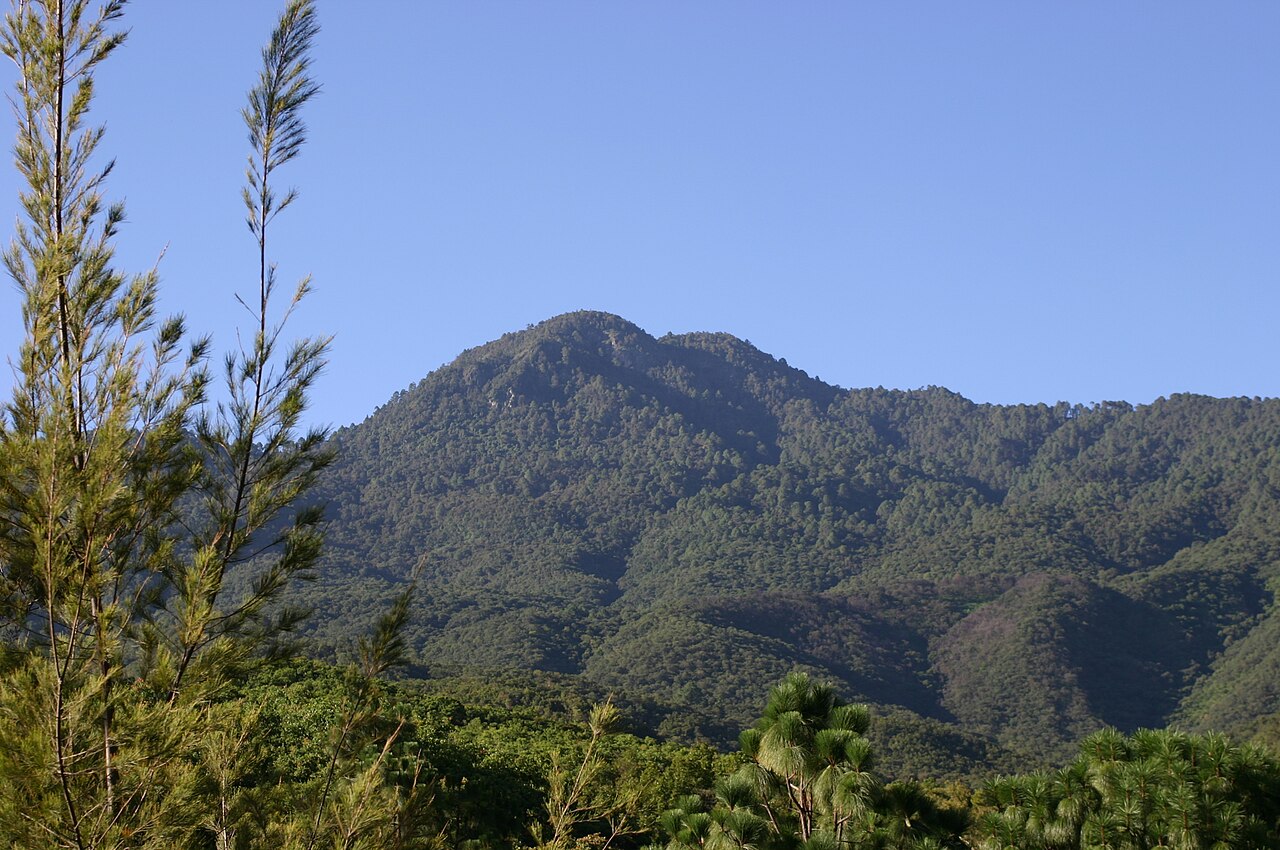
Oaxaca (pronounced "wah-HAH-ka") is the colonial capital of the state of the same name, about 500 km southeast of Mexico City on a high, dry plateau at 1,550 m. With just under 300,000 people in the city and another half-million in the surrounding valley, it is small enough to walk across in an afternoon — and it might be the most beautiful and engaging colonial town in Mexico. The whole historic centre is a UNESCO World Heritage Site, built in warm green and ochre volcanic stone.
Oaxaca is three things at once. First, it is a colonial city of baroque churches and convents — the Templo de Santo Domingo, with its astonishing gold-leaf ceilings and the Cultural Museum beside it, is one of the great sights of the Americas. The Basílica de la Soledad to the west is beloved by locals, and the Oaxaca Ethnobotanical Garden in the former convent grounds is unmissable. Second, it is the centre of indigenous Mexico: the Valley of Oaxaca has been continuously inhabited for more than 10,000 years, was the heartland of the Zapotec and later Mixtec civilisations, and still speaks sixteen distinct indigenous languages. The Monte Albán archaeological site on the hilltop above the city — the great Zapotec capital, abandoned around AD 750 — is the must-see, with Mitla, Yagul, the Árbol del Tule, and the petrified waterfalls of Hierve el Agua a short drive further out. Third, it is Mexico's most interesting food city — the birthplace of seven famous moles, of tlayudas (giant crisp tortillas with toppings), of grasshoppers (chapulines) and most of all of mezcal, the smoky agave spirit that has its heartland in the villages around town. The Mercado Benito Juárez and the adjacent 20 de Noviembre market are the best places to eat it all at once.
Come for the extraordinary Day of the Dead celebrations in late October and early November — Oaxaca is one of the best places in Mexico to experience it — or for the Guelaguetza folk-dance festival in late July, when every indigenous community in the state sends dancers to the city.