Mexico rewards travelers who look beyond the all-inclusive resorts. It is the 14th largest country in the world, spanning deserts, jungles, mountains, and two coastlines, with a history that runs from ancient Mesoamerican civilizations through Spanish colonialism to a thriving contemporary culture. The food alone justifies the trip.
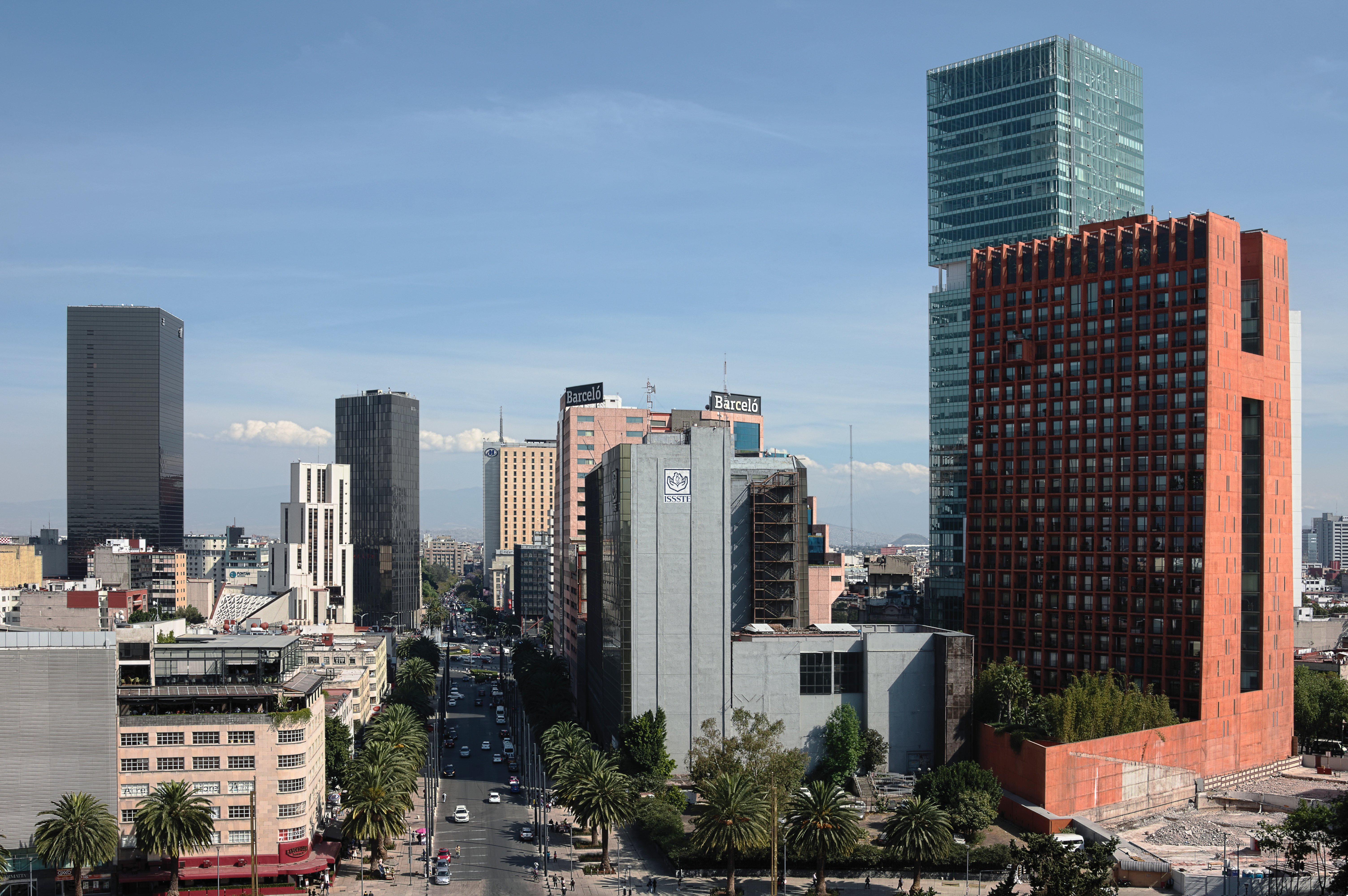
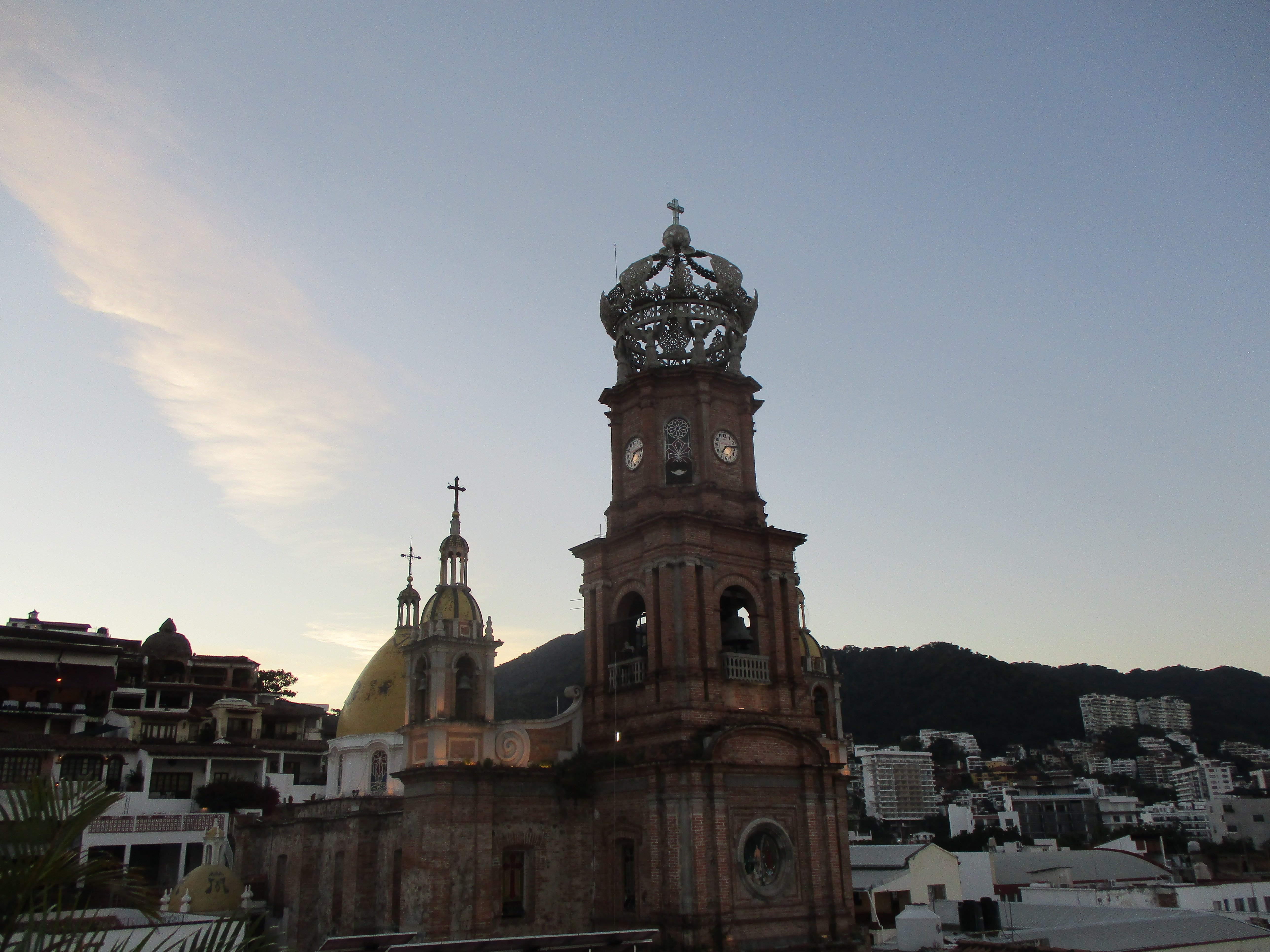
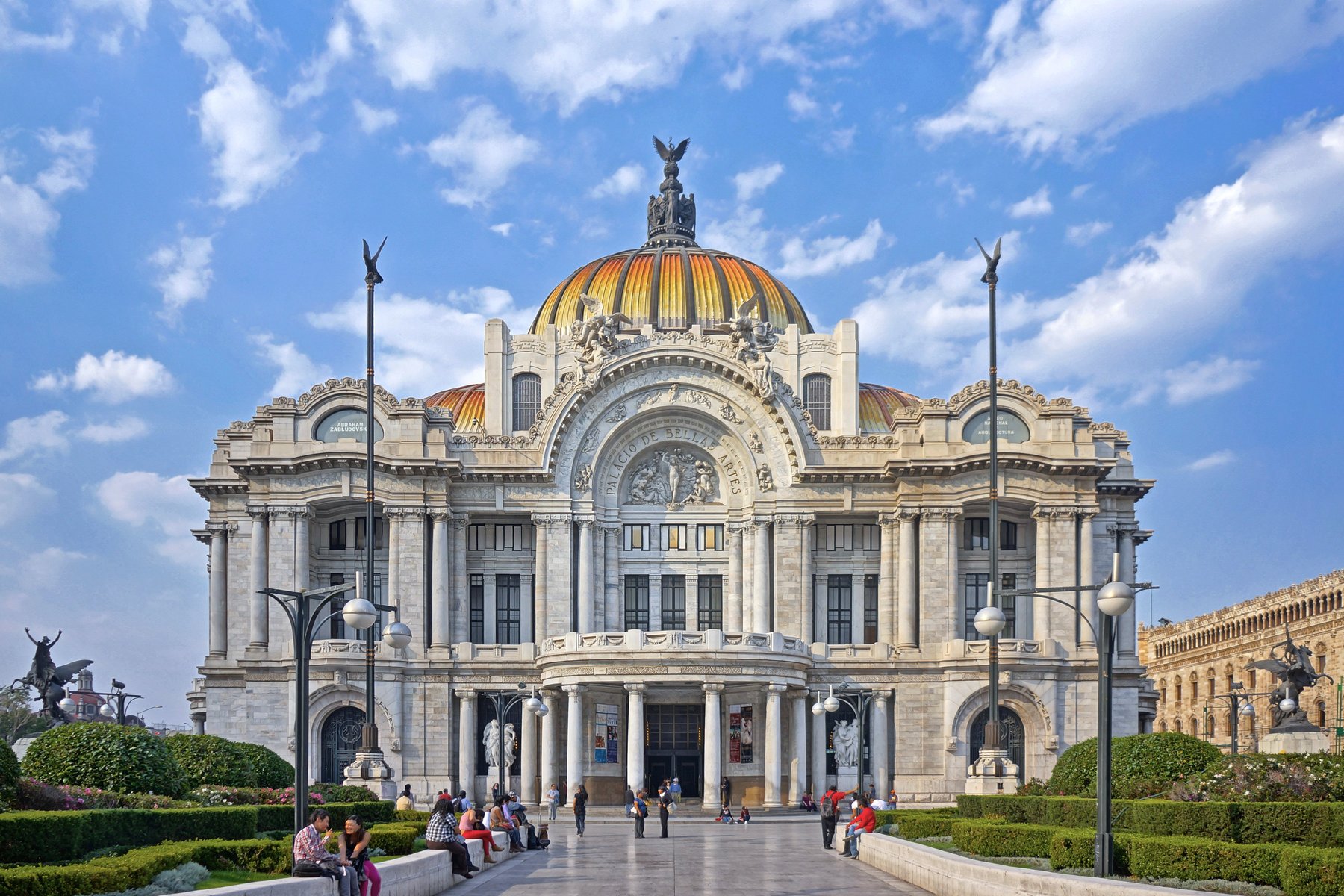
The country is enormous and diverse enough that two weeks barely scratches the surface. The colonial heartland — cities like Oaxaca, Guanajuato, Puebla, and Morelia — offers some of the best-preserved Spanish colonial architecture anywhere in the Americas. Mexico City is one of the world's great metropolises, with world-class museums, a staggering food scene, and a historic center built atop the ruins of the Aztec capital Tenochtitlan.
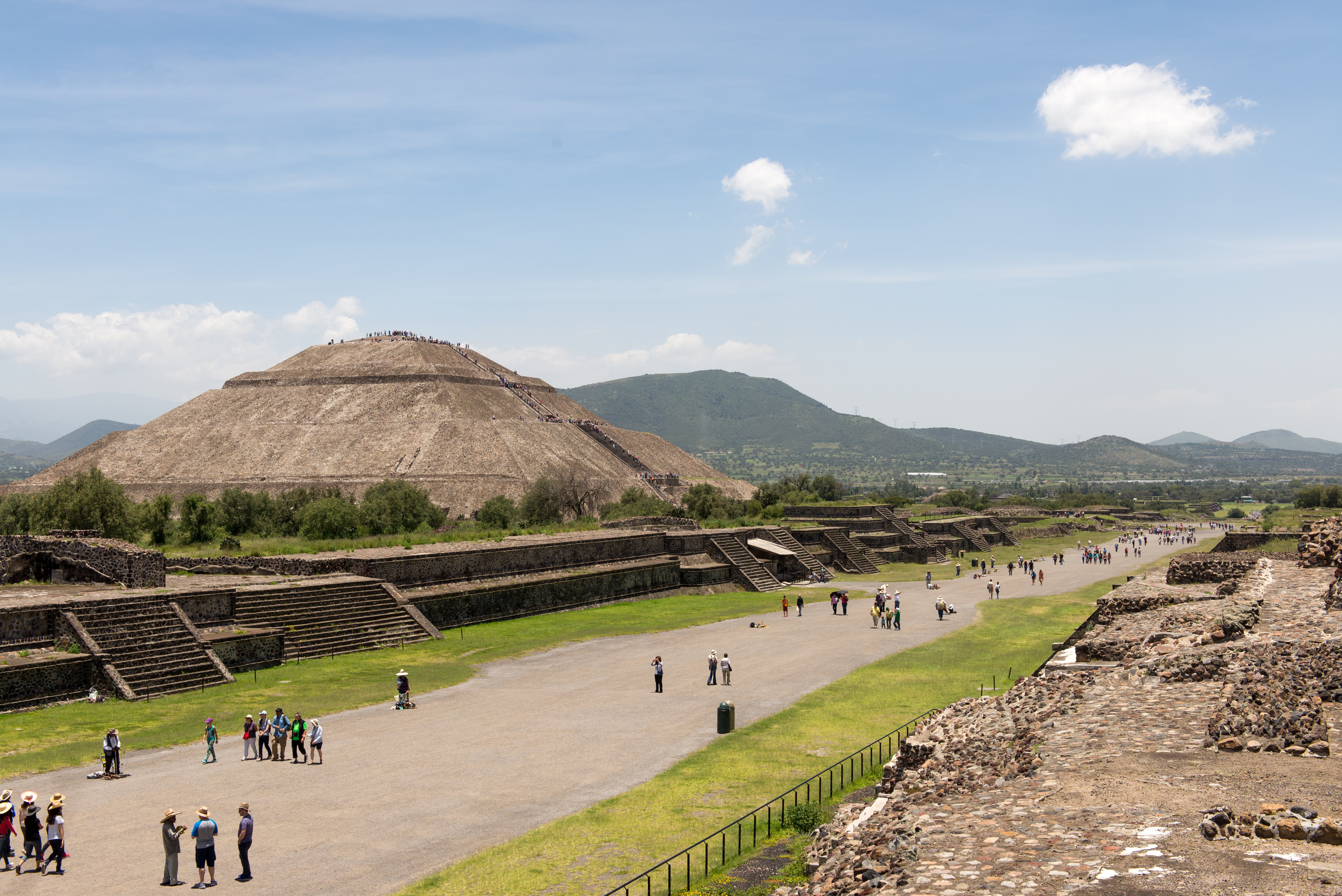
The Yucatan Peninsula draws millions to its beaches and Maya ruins. Chichen Itza and Palenque are the most famous archaeological sites, but Uxmal, Monte Albán near Oaxaca, and Teotihuacan outside Mexico City are equally remarkable. The cenotes — natural sinkholes flooded with crystal-clear water — are a highlight unique to the peninsula.
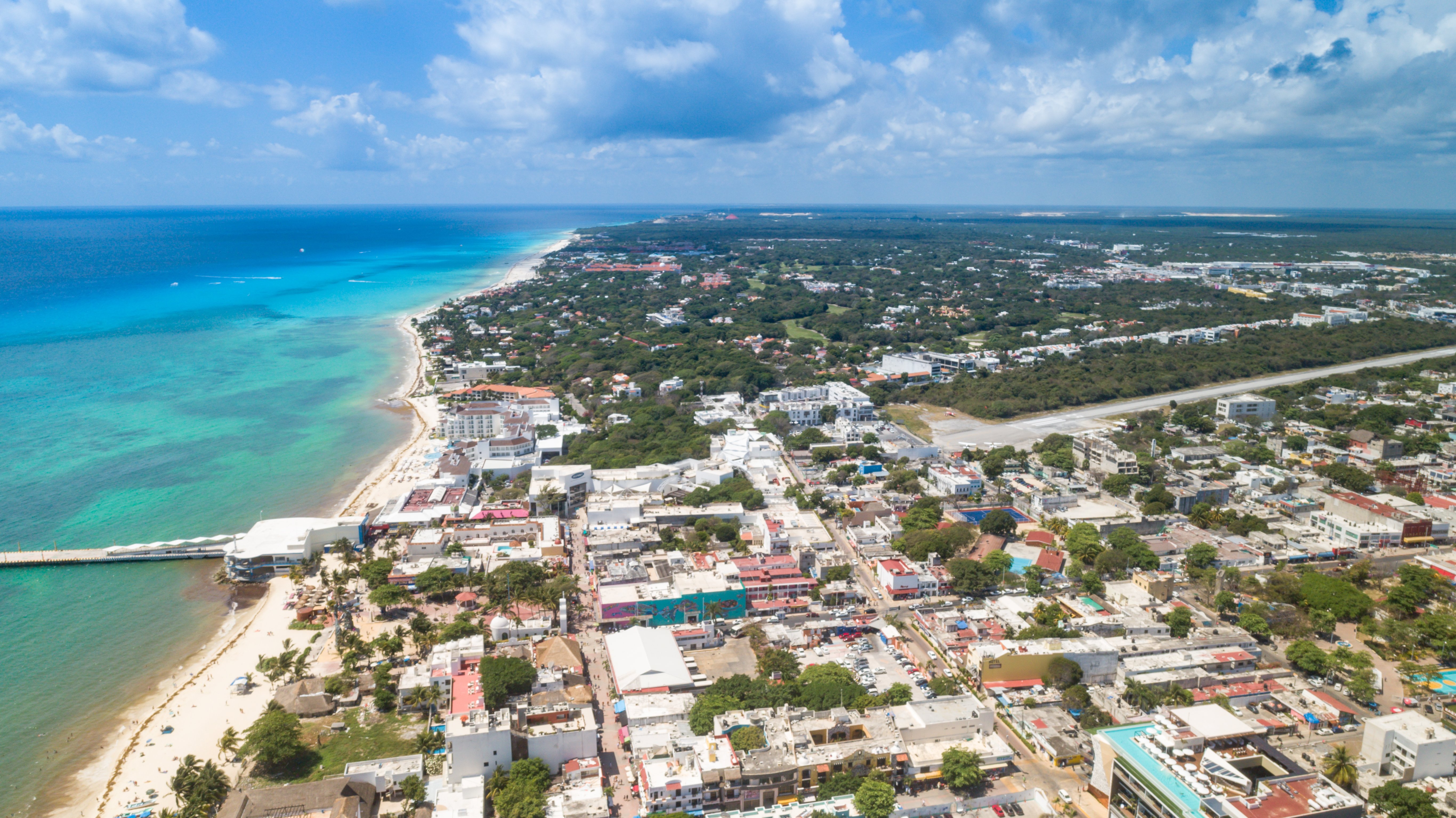
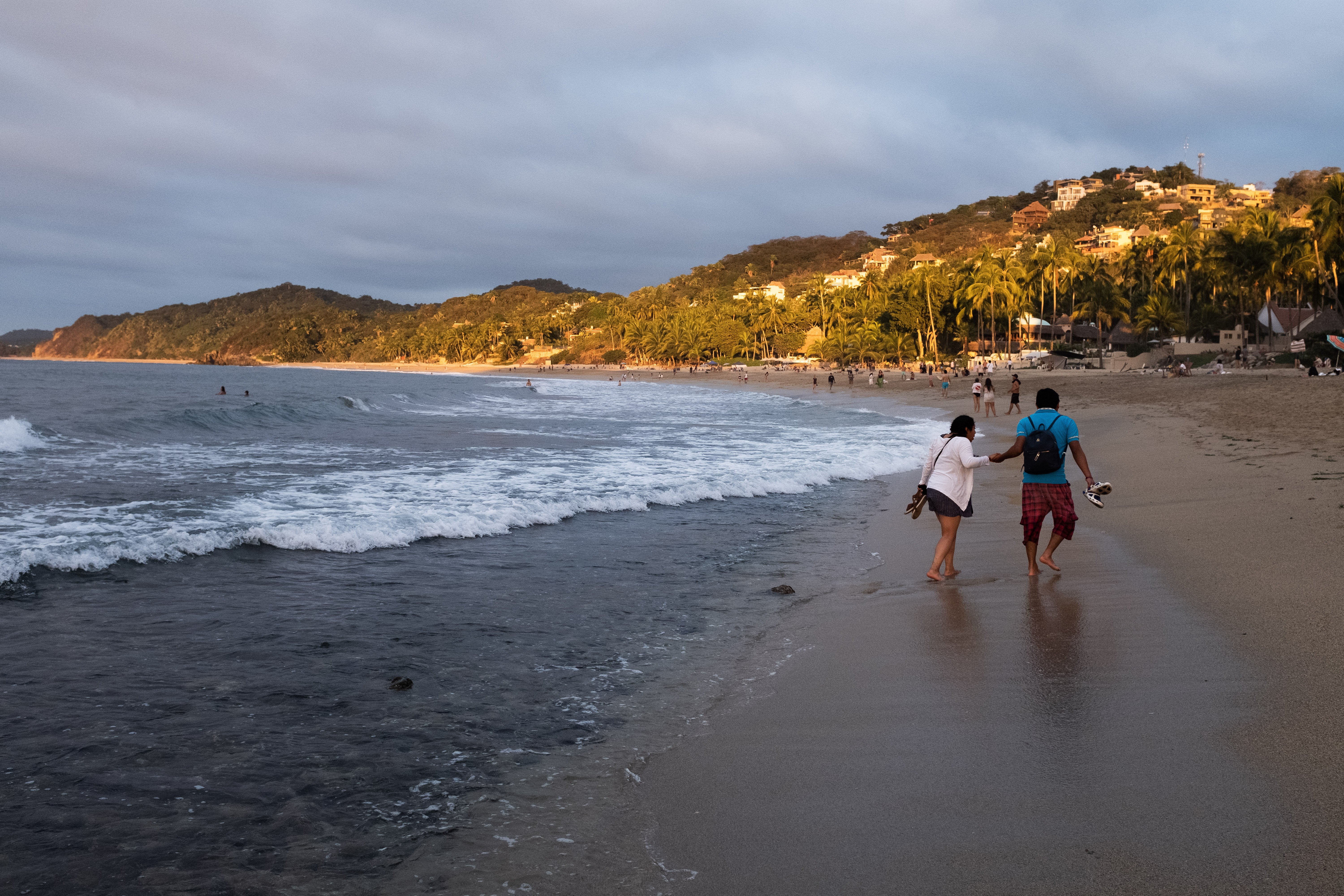
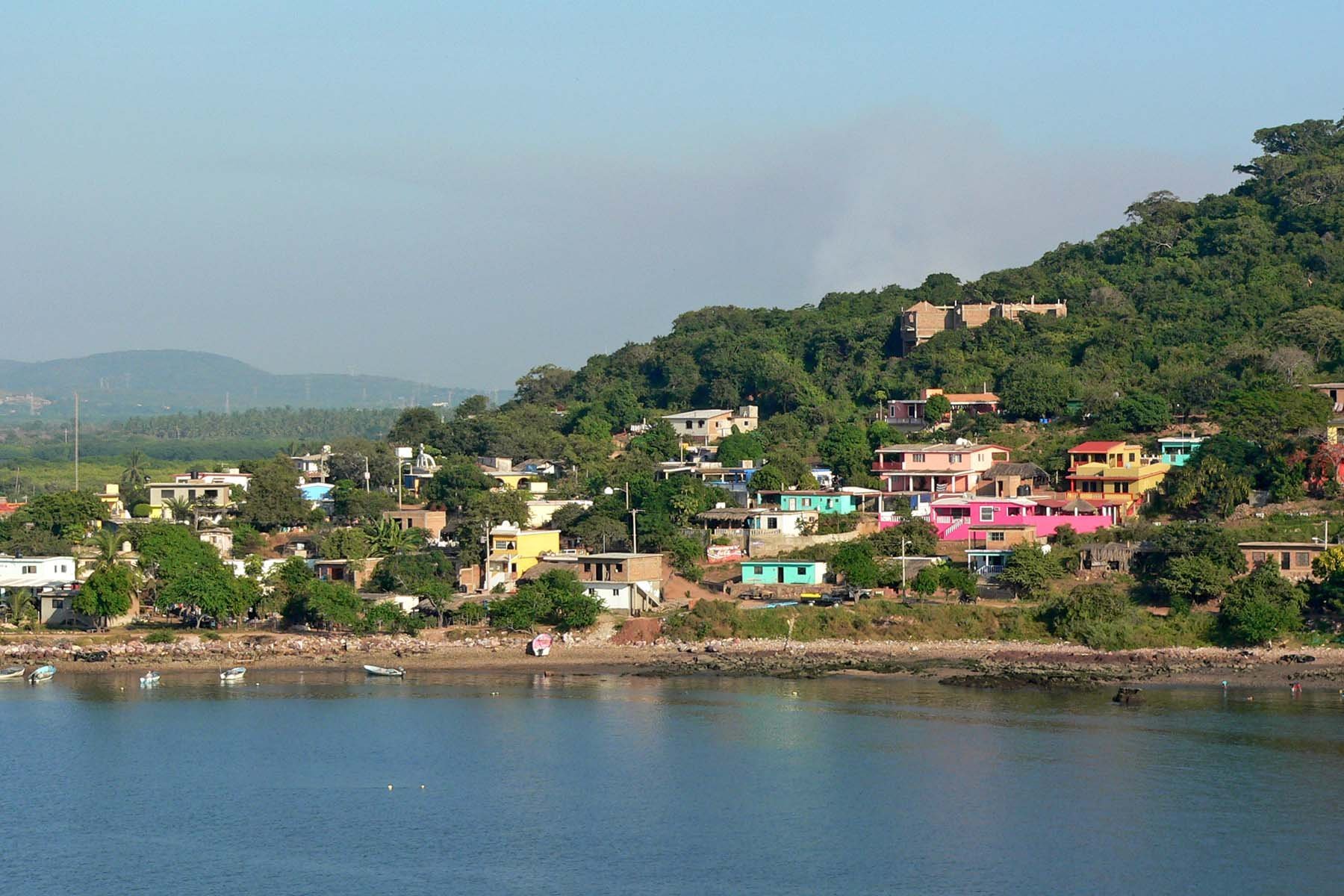
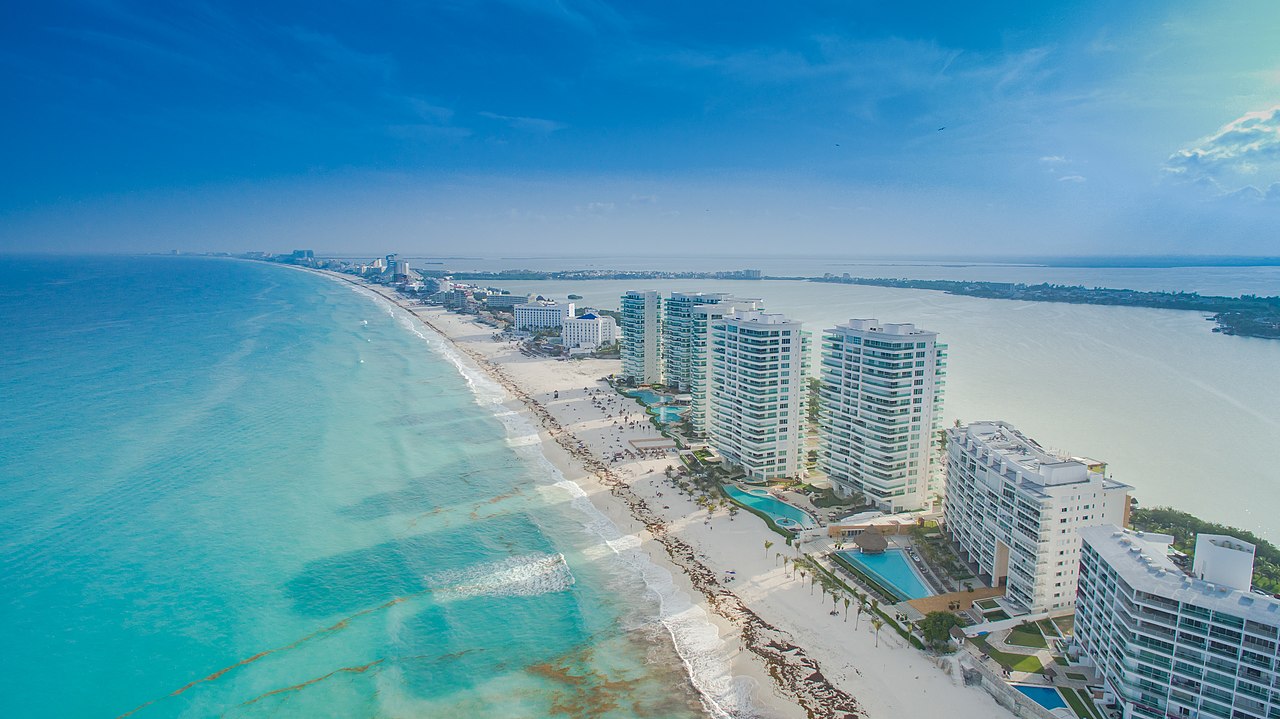
The Pacific coast runs from the surf towns of Baja California and Puerto Vallarta south to Puerto Escondido and the beaches of Oaxaca's coast. The Caribbean side — Cancun, Playa del Carmen, Tulum, Cozumel — is busier and more developed but offers outstanding diving and snorkeling on the Mesoamerican Barrier Reef.
Safety varies sharply by region. Tourist corridors in major cities and resort destinations are generally safe, but several northern states and some rural areas carry serious security risks. Check current travel advisories before heading off the beaten path.