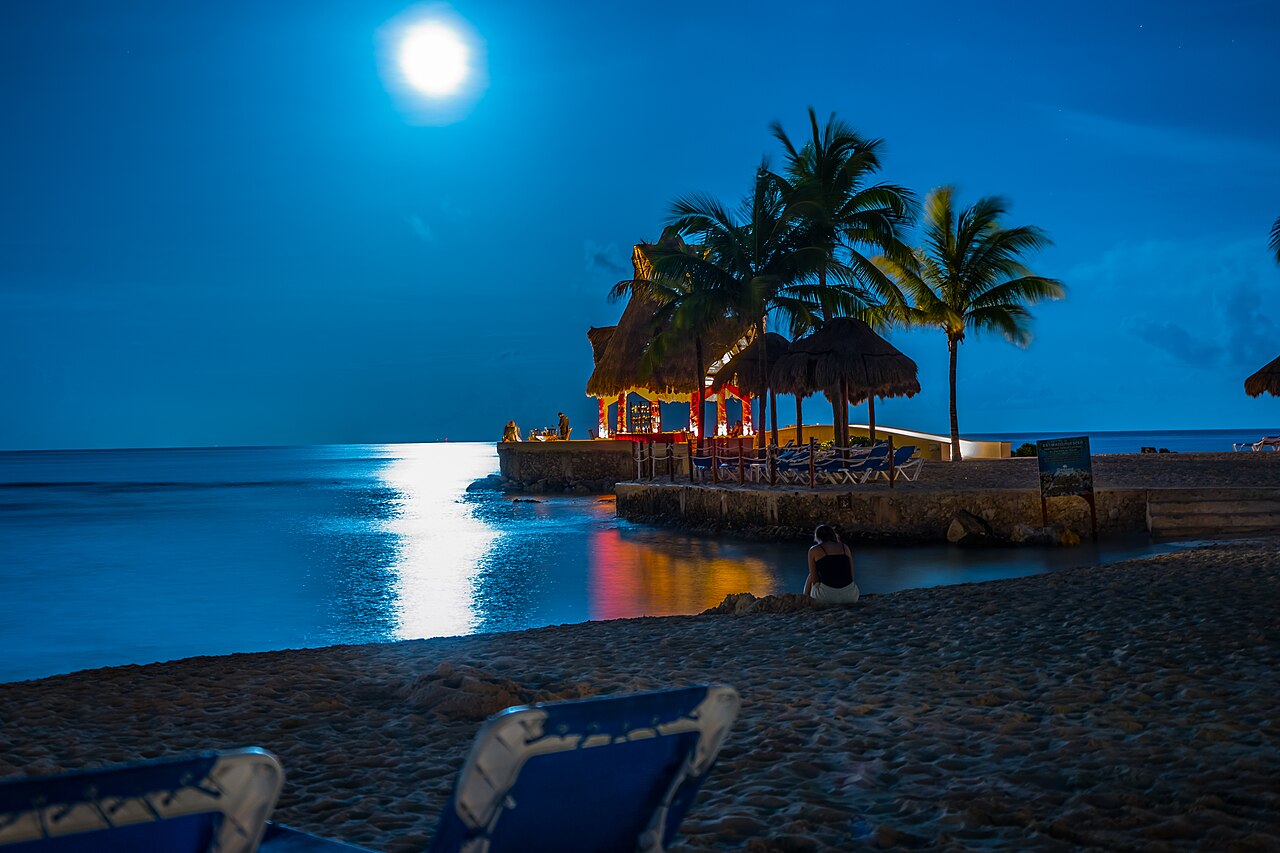
The Riviera Maya is the marketing name for roughly 130 km of Caribbean coastline that runs south from Cancún airport to the town of Tulum, on the east side of Mexico's Yucatán Peninsula. In the early 1990s almost all of it was jungle and fishing villages; since then it has been developed at extraordinary speed into one of the busiest holiday corridors in the Americas, a near-continuous string of all-inclusive resorts, cenote parks, and beach towns strung along a single highway. The beaches are long and white, the sea is a cartoon turquoise, the weather is reliably warm, and the Mesoamerican Barrier Reef — the second-largest coral reef in the world — runs just offshore. It is, for better and for worse, exactly what Caribbean beach tourism looks like in the 21st century.
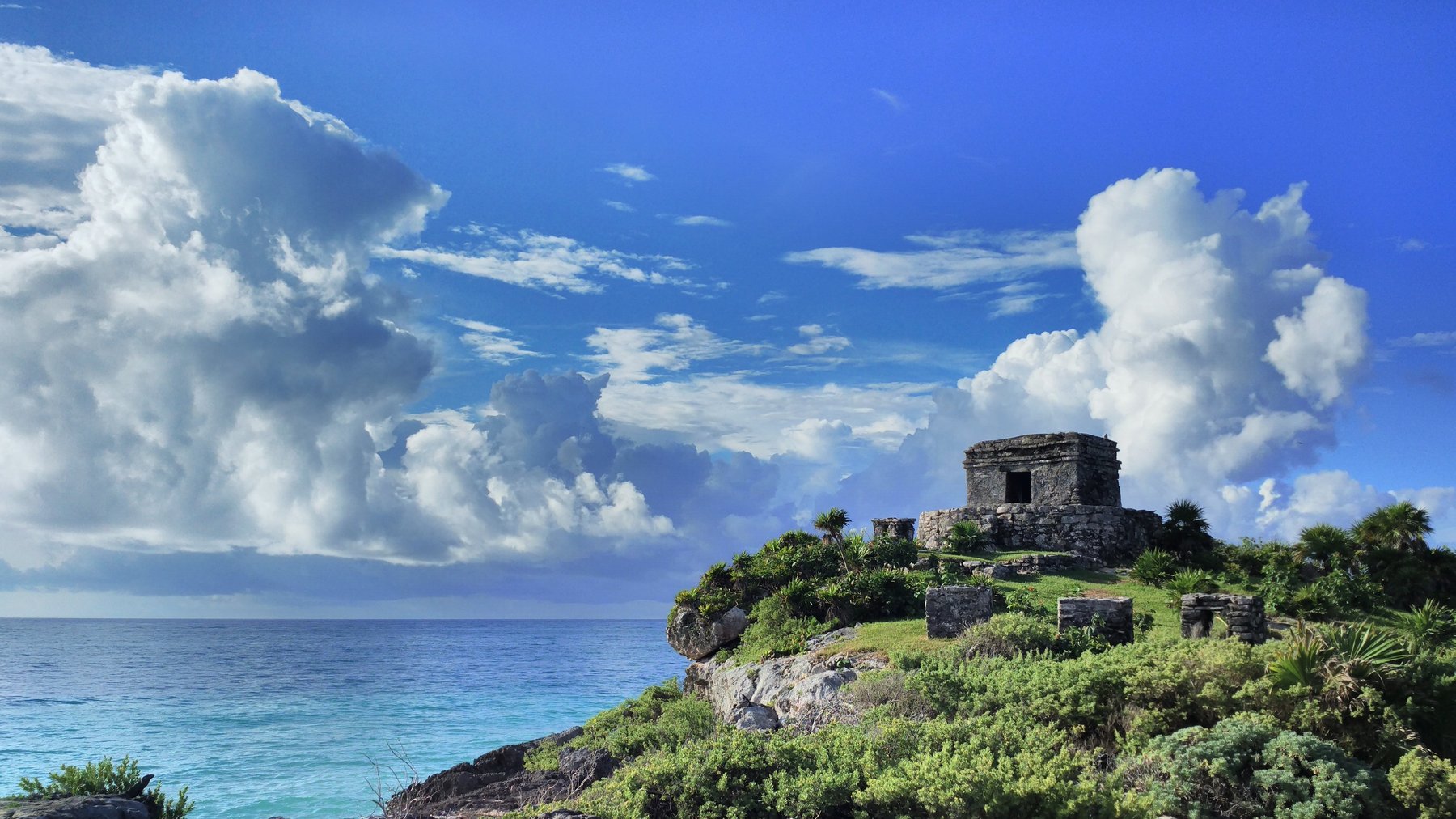
The two main centres are Playa del Carmen — a former fishing village that has grown into a genuinely lively beach town, with a pedestrianised shopping street (Quinta Avenida) and a ferry to the dive island of Cozumel — and Tulum, further south, famous for its dramatically sited Maya ruins on a cliff above the sea, and now better known for its string of bohemian beach hotels. Between them lie smaller resorts — Puerto Morelos, Puerto Aventuras, Akumal — and a string of eco-parks: Xcaret, Xel-Há, Xplor. Inland, the Yucatán's limestone plate is honeycombed with flooded sinkholes called cenotes, many of them connected into enormous underwater cave systems (the Sac Actun system, at over 350 km, is one of the longest in the world). These are the best reason to come — swimming or diving in a cenote is an experience like nothing else.
Beyond the beaches, the other reason to come is archaeology. The coast is dotted with Maya sites — Tulum, Cobá, Muyil — and the great inland centre of Chichén Itzá is a long day trip. South of Tulum, the Sian Ka'an Biosphere Reserve protects a huge tract of coastal wetland, mangrove and reef — by far the wildest landscape left in the region, and a better antidote to resort fatigue than any amount of hammocks.