Trinidad and Tobago is a twin-island republic at the southern end of the Caribbean, so close to Venezuela that on a clear day you can see the South American coast from the hills above Port of Spain. The two islands are geologically, culturally, and temperamentally quite different from each other, and together they are unlike anywhere else in the Caribbean.
Trinidad is the larger and more energetic of the two — a genuinely cosmopolitan society shaped by its history as a Spanish, then French, then British colony with a population drawn from West Africa, India, China, Syria, and Europe. The result is extraordinary cultural richness: the world's most exuberant Carnival, the invention of the steel pan, the development of calypso and soca, and a food scene that combines roti and doubles (the street-food staple — curried chickpea in fried bread) with pelau and crab and dumpling. The capital Port of Spain is a busy, chaotic, proud city. The south has San Fernando, the second city, grittier and more working-class. The Caroni Swamp on the west coast shelters one of the most spectacular wildlife sights in the hemisphere — thousands of scarlet ibis coming in to roost at dusk.
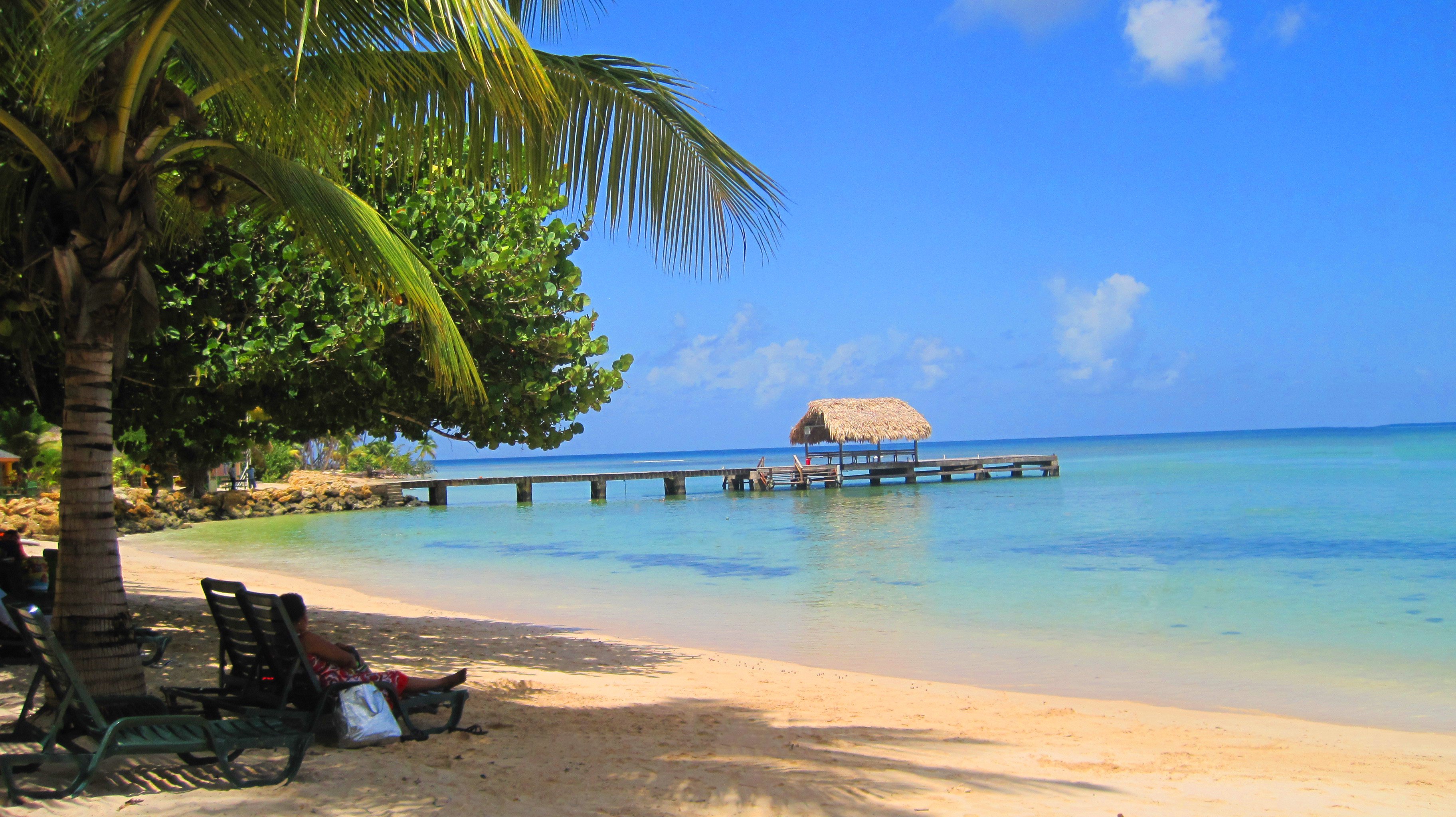
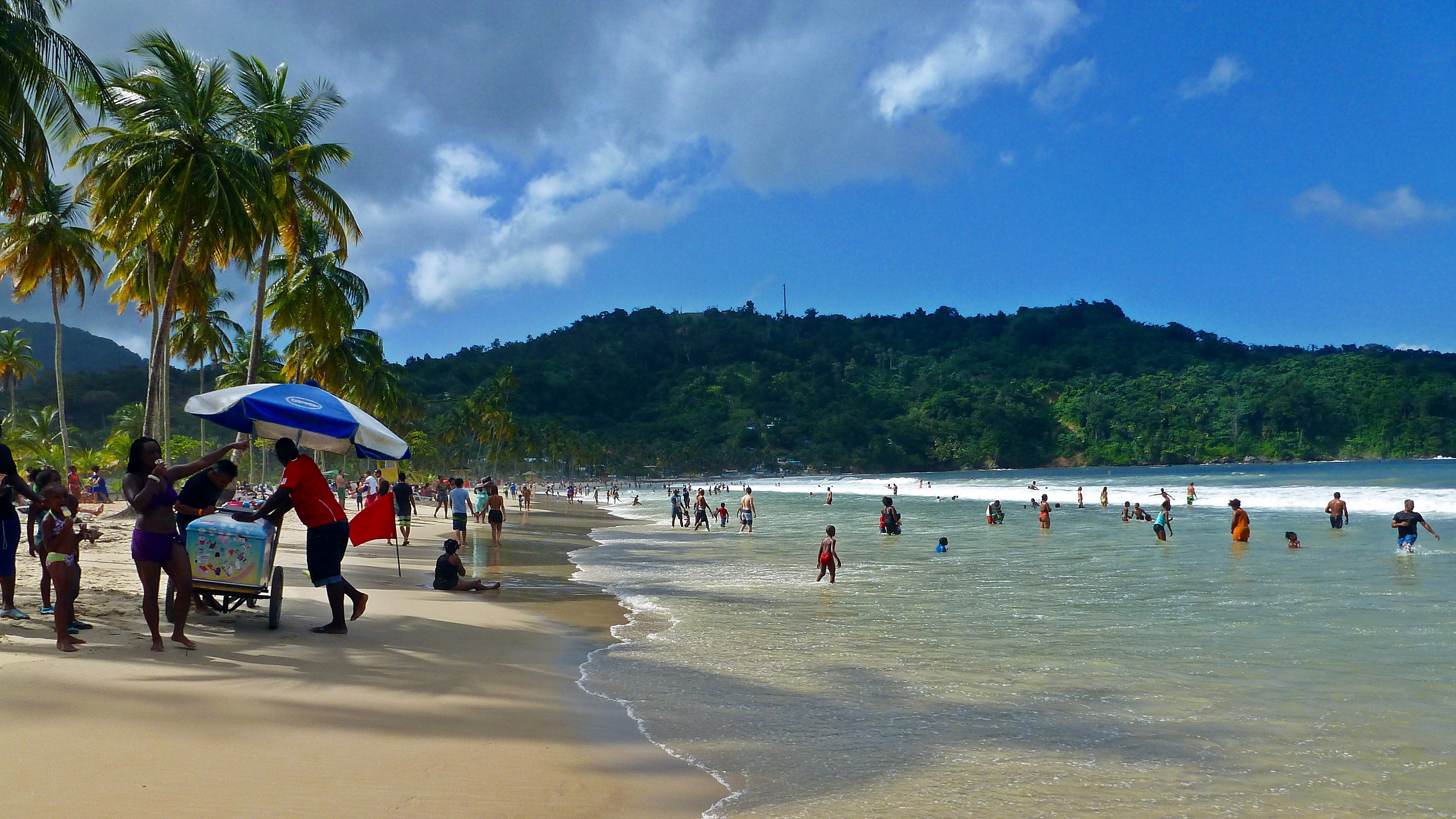
Tobago is quieter, greener, and more obviously Caribbean. The beaches are excellent, the snorkeling and diving on the fringing reefs among the best in the region, and the pace of life noticeably slower than Trinidad. The Main Ridge Forest Reserve is the oldest protected rainforest in the western hemisphere, established by the British in 1776. Most visitors come to Tobago for nature and beaches; most come to Trinidad for Carnival, food, and music.
The climate is tropical with a dry season from January to May and a wet season from June to December. The islands lie south of the hurricane belt — a rare advantage in the Caribbean — so the weather is reliably warm year-round. Trinidad and Tobago is one of the least expensive Caribbean destinations, which makes it viable for independent travelers on a budget.