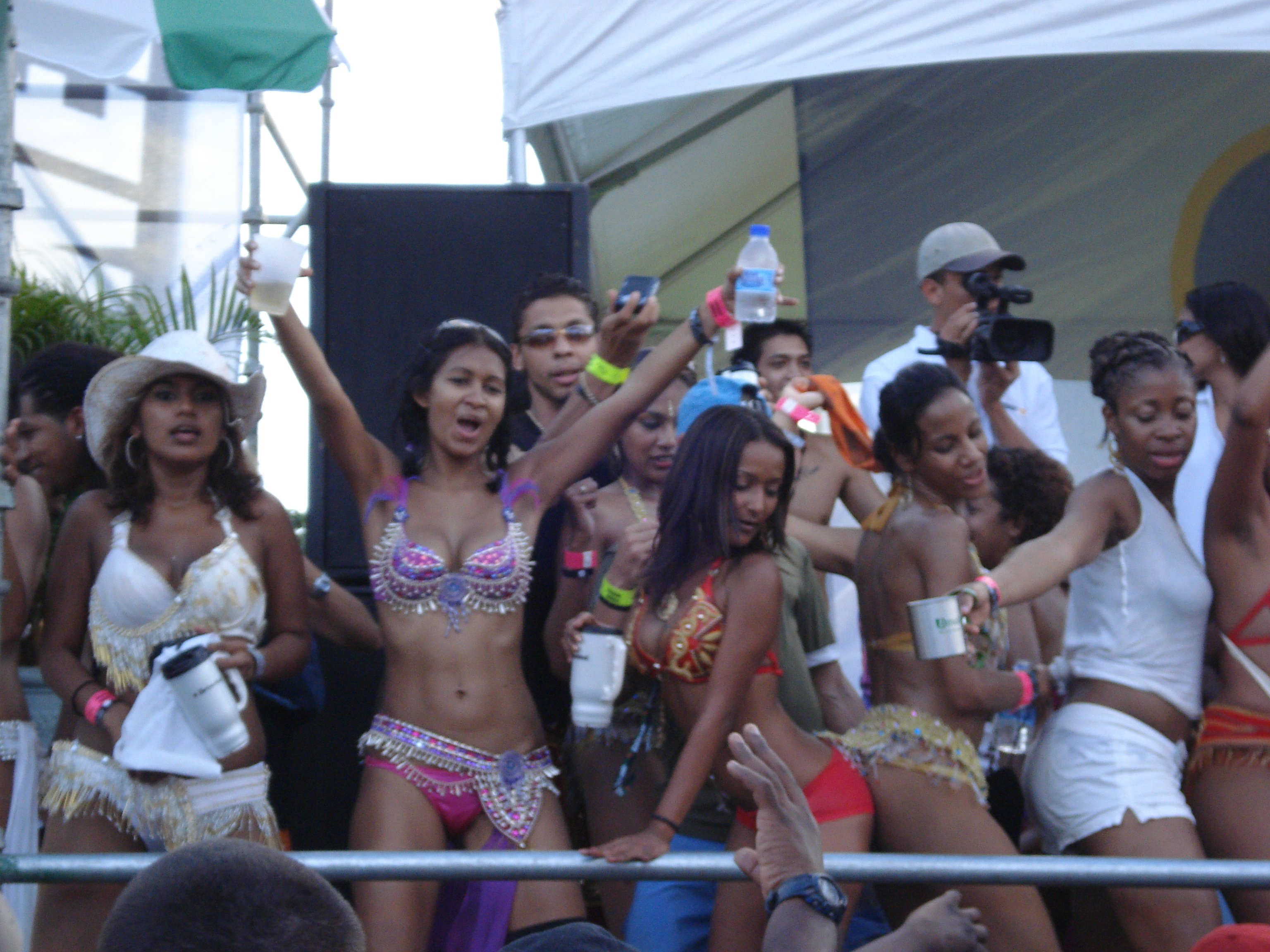
Port of Spain is one of the Caribbean's most energetic capitals — a city that moves to its own rhythm, literally. This is the birthplace of the steel pan and the home of Carnival, the riotous pre-Lenten festival that fills the streets with sequined masqueraders, thumping soca music, and the kind of communal joy that is hard to find anywhere else on earth.
The city sits on the Gulf of Paria on Trinidad's northwest coast, backed by the forested Northern Range. Downtown is dense and chaotic, full of concrete office blocks and street vendors selling doubles — the fried bread and curried chickpea snack that is the city's unofficial signature. The Queen's Park Savannah, a vast oval green space in the northwest of the city, anchors the upmarket residential neighbourhoods and provides a daily promenade ground, cricket pitch, and informal food court for the city's residents.
Port of Spain reflects Trinidad's extraordinary cultural complexity. The population mixes African, Indian, Chinese, Syrian-Lebanese, and European ancestry, and the cuisine, music, and festivals reflect all of it. Walking through the city you might hear soca, chutney (a fusion of Indian folk music and calypso), or reggae coming out of the same block. The food ranges from doubles at a street corner to elaborate Indian-Trinidadian curry lunches to Chinese takeaway — often all on the same street.
The city has its rough edges. Traffic is perpetual, some downtown streets feel neglected, and safety requires the usual urban awareness after dark in certain areas. But it also has genuine life and pride, particularly around Carnival time, when the whole city becomes a stage.