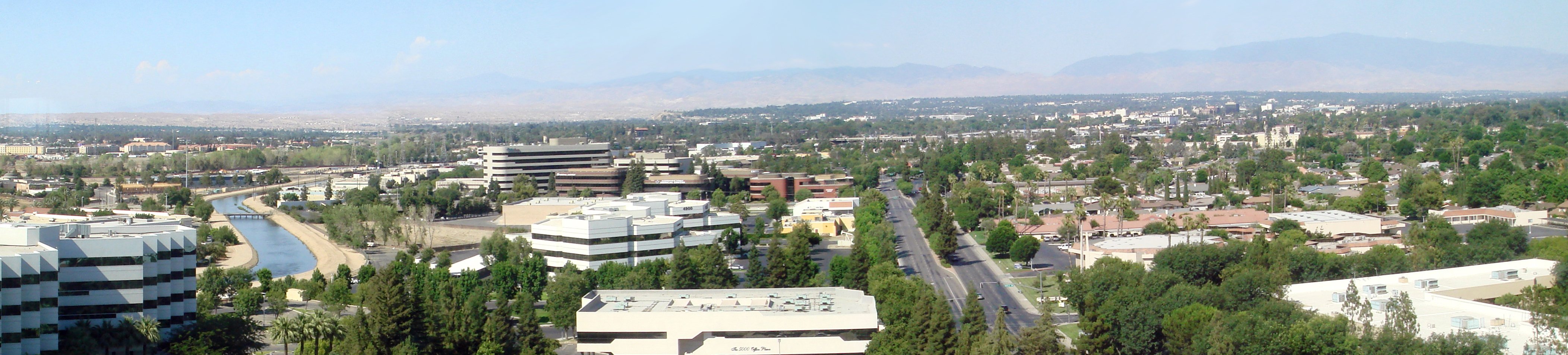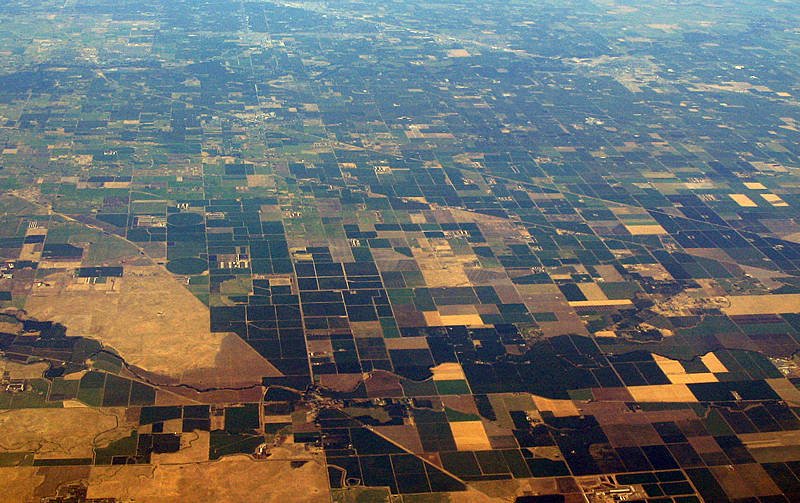
The Central Valley is the long agricultural trough running through the middle of California, roughly 450 miles from Redding in the north to Bakersfield in the south. It produces an enormous share of the United States' fruits, vegetables, and nuts — almonds, grapes, tomatoes, pistachios, oranges — and the flat, sun-baked landscape is shaped entirely by farming. This is one of the most productive agricultural regions in the world, and it is not principally a tourist destination.
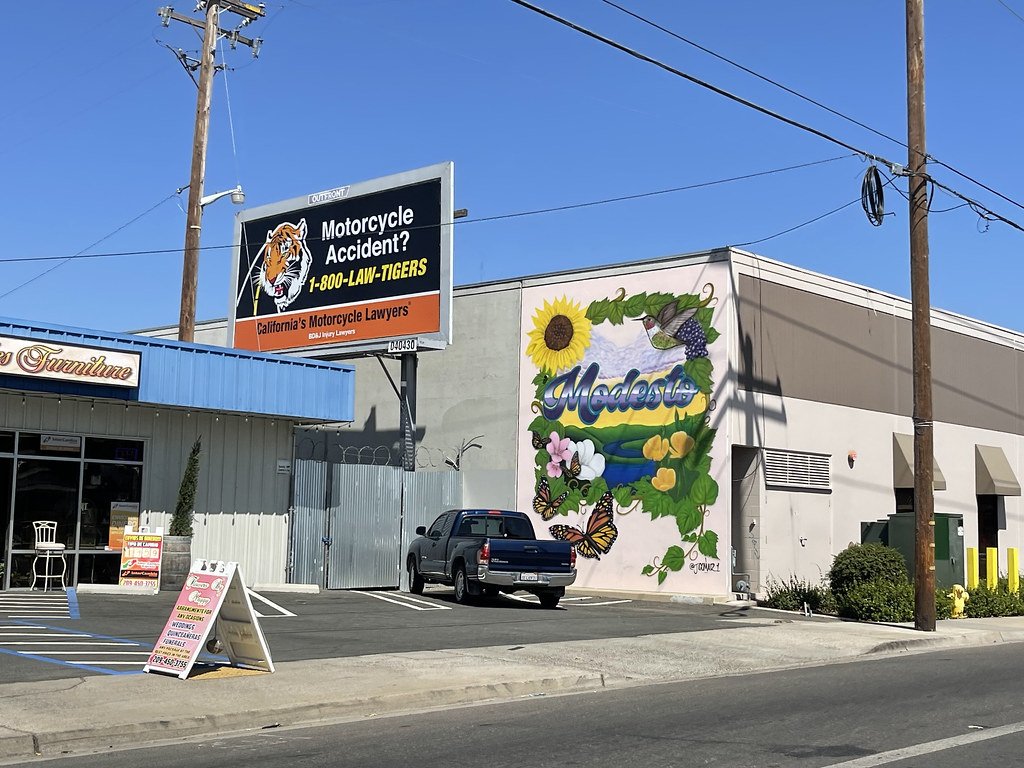
The main cities — Fresno, Stockton, Modesto, Bakersfield, Visalia — are working cities with limited tourist infrastructure. Fresno is the largest and the most useful base; it's within an hour of Yosemite's south entrance, Kings Canyon, and Sequoia National Park, which are the actual reasons most people come to this part of California.
The valley is most interesting to visitors as a gateway. The foothills on the eastern edge give way to the Sierra Nevada, which contains some of the finest wilderness in North America. Highway 99 runs the length of the valley and passes through an agricultural landscape that tells a complex story about California's economy, water, and labour.
Summer temperatures regularly exceed 100°F (38°C). Spring, when the fruit trees bloom, is the most visually dramatic time to drive through.