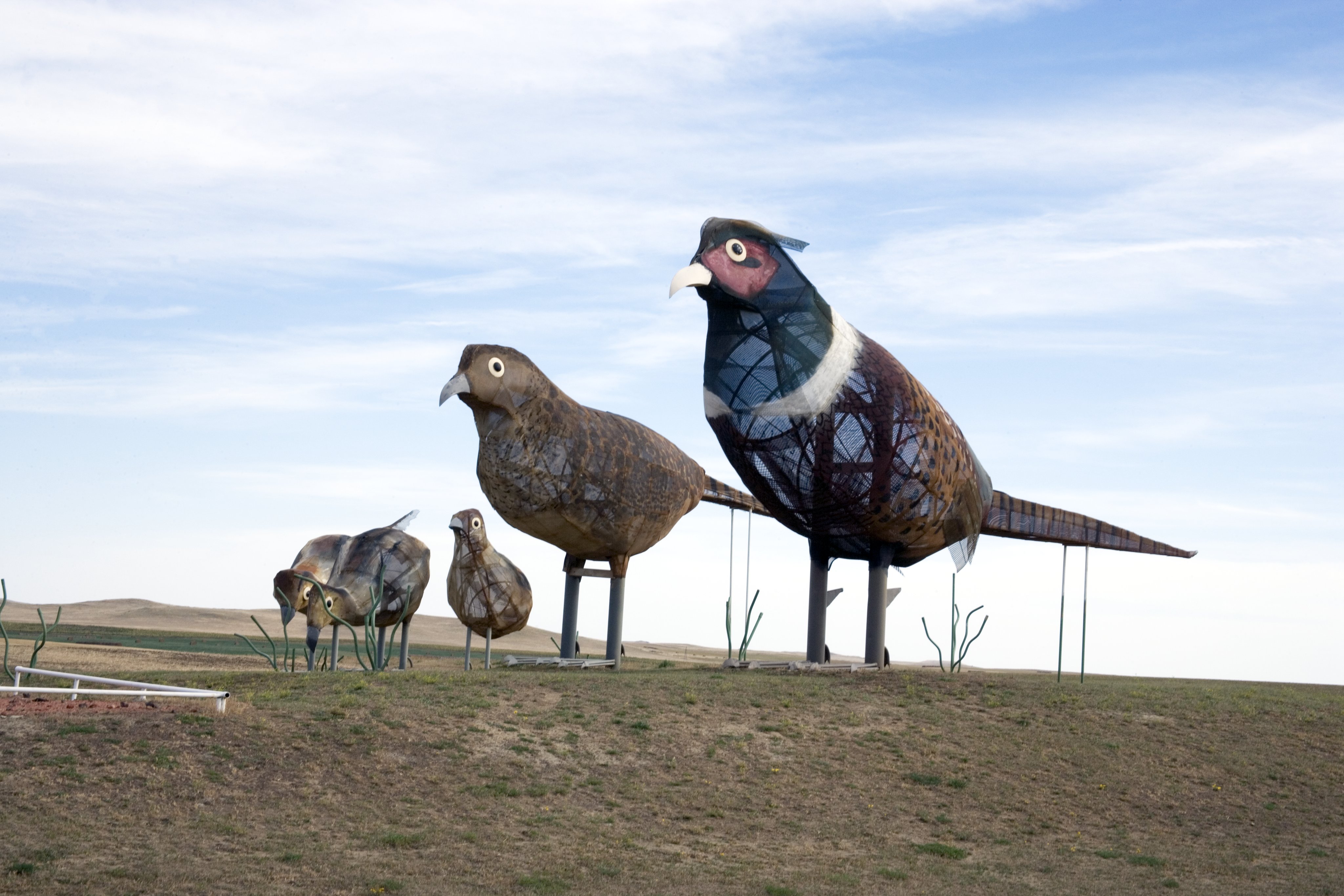
North Dakota is one of the least-visited states in the United States, which is part of its appeal. The landscape ranges from the flat, fertile Red River Valley in the east to the rugged Badlands in the west, where the Missouri River cuts through eroded buttes and coulees. It is stark country, genuinely empty in places, and beautiful in a way that rewards patience.
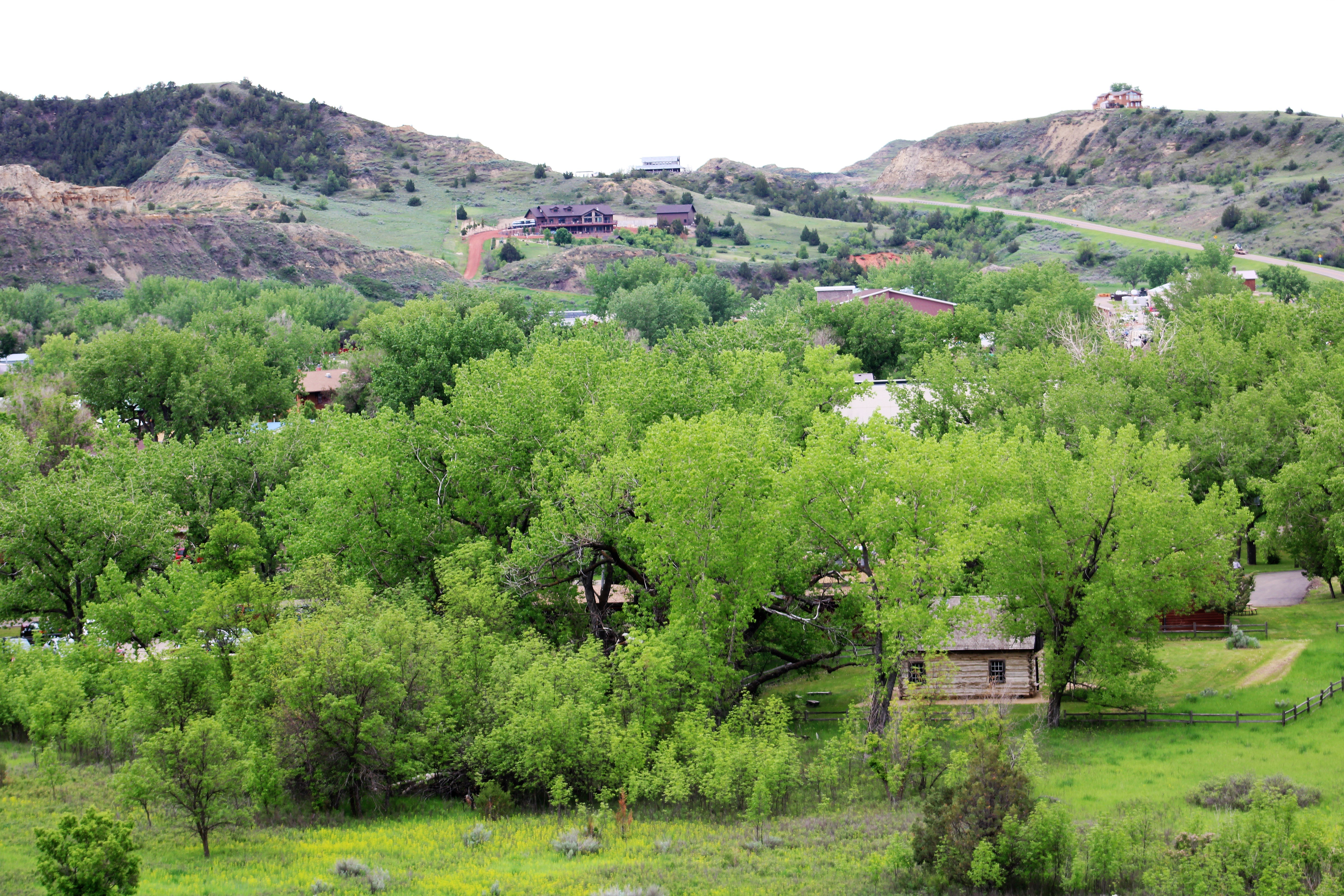
Theodore Roosevelt came here in 1883 to hunt bison and ended up staying long enough that the experience shaped him permanently. "I never would have been President if it had not been for my experiences in North Dakota," he later said. The national park that bears his name, in the western Badlands, is the most compelling reason to visit: dramatic terrain, bison, wild horses, and almost nobody else.
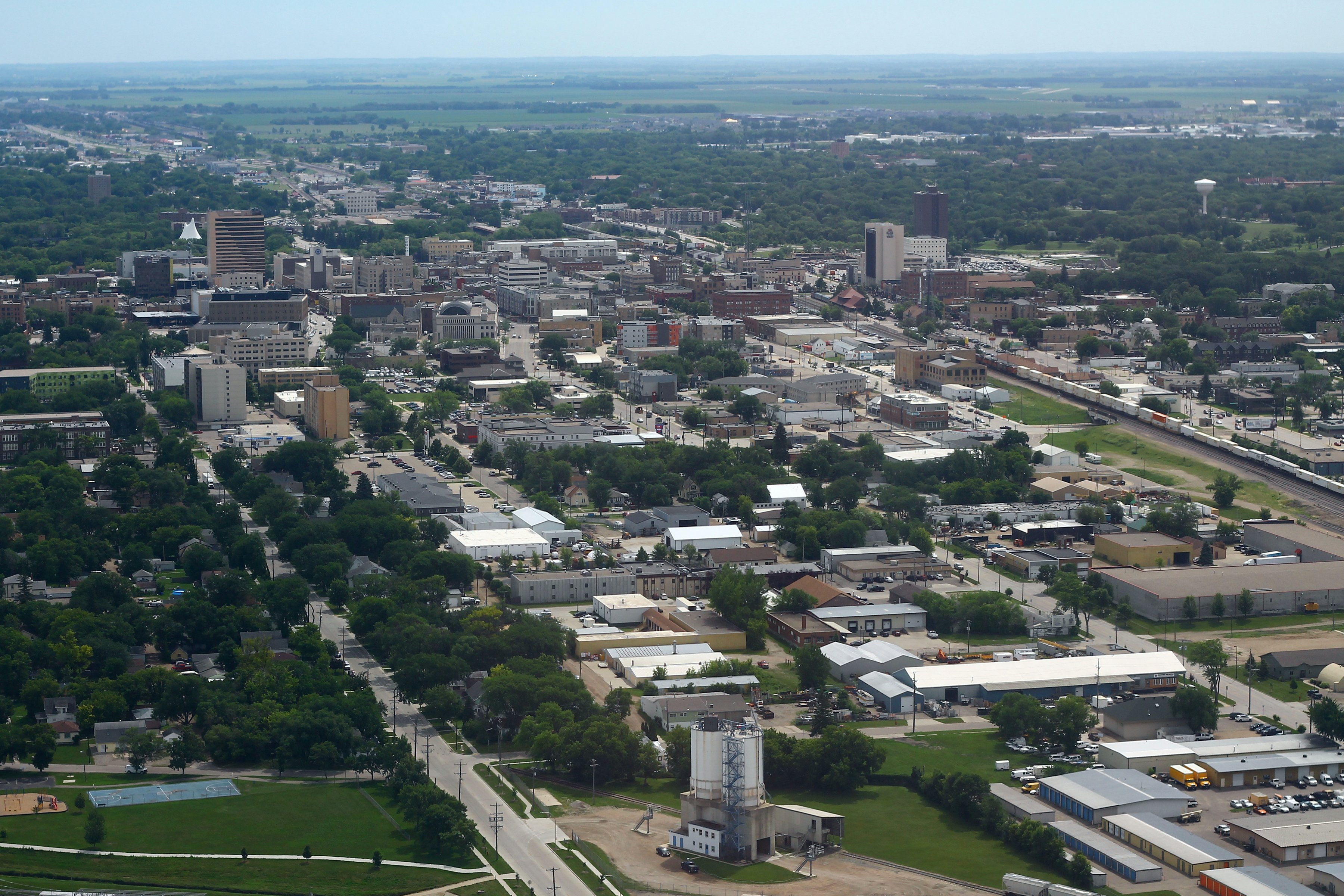
Fargo, in the east, is the state's largest and most lively city, sitting on the Red River across from Moorhead, Minnesota. Bismarck, the state capital, sits on a bend of the Missouri River in the centre of the state and has the best museum — the North Dakota Heritage Center covers the state's Native American and settler history with serious depth. Medora, a tiny historic town in the western Badlands, is the gateway to Theodore Roosevelt National Park and worth a night or two.
The state has significant Native American heritage. The Knife River Indian Villages National Historic Site near Stanton preserves one of the largest concentrations of earthlodge villages on the northern plains, occupied for nearly 8,000 years and still home to living descendants of the Hidatsa people.