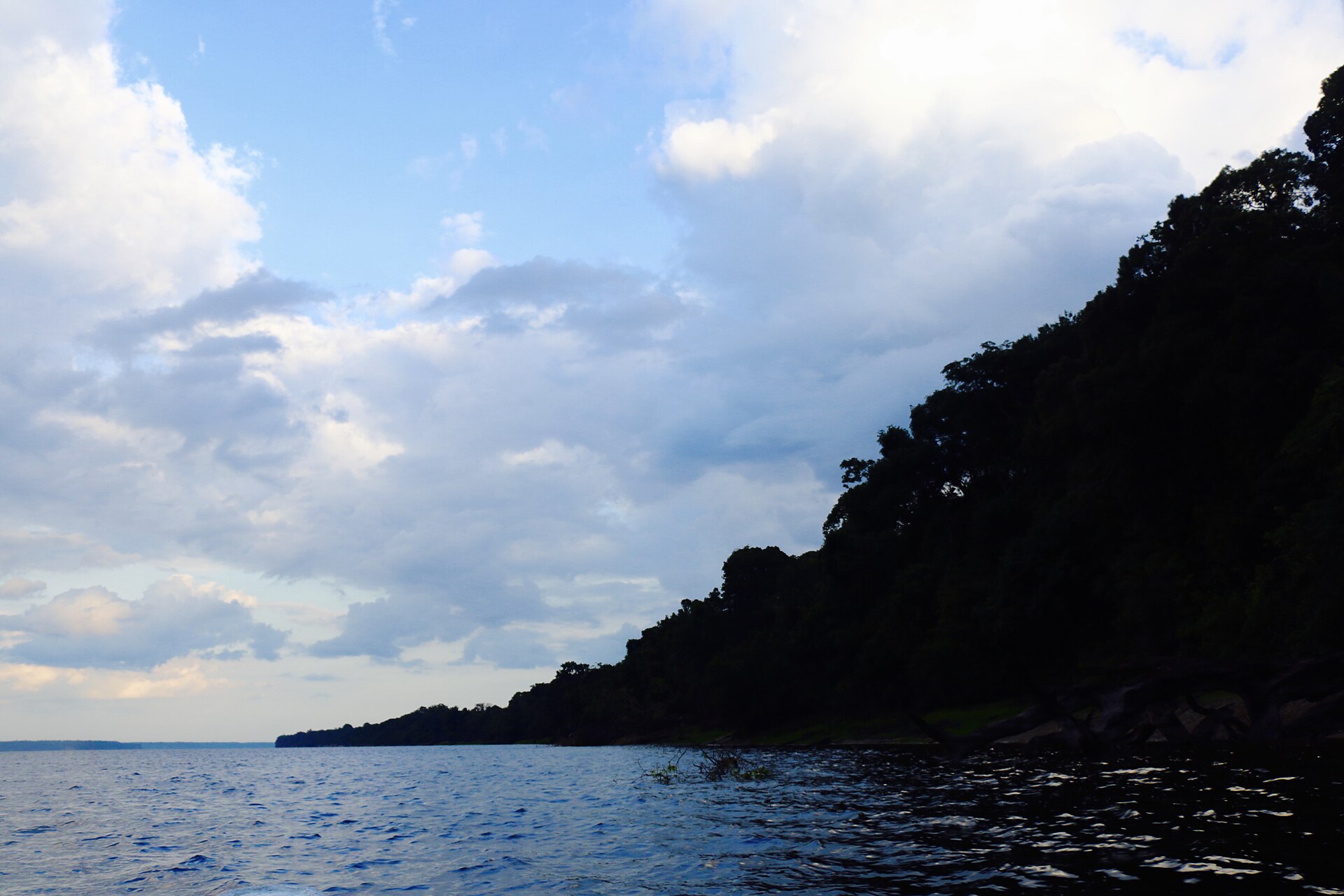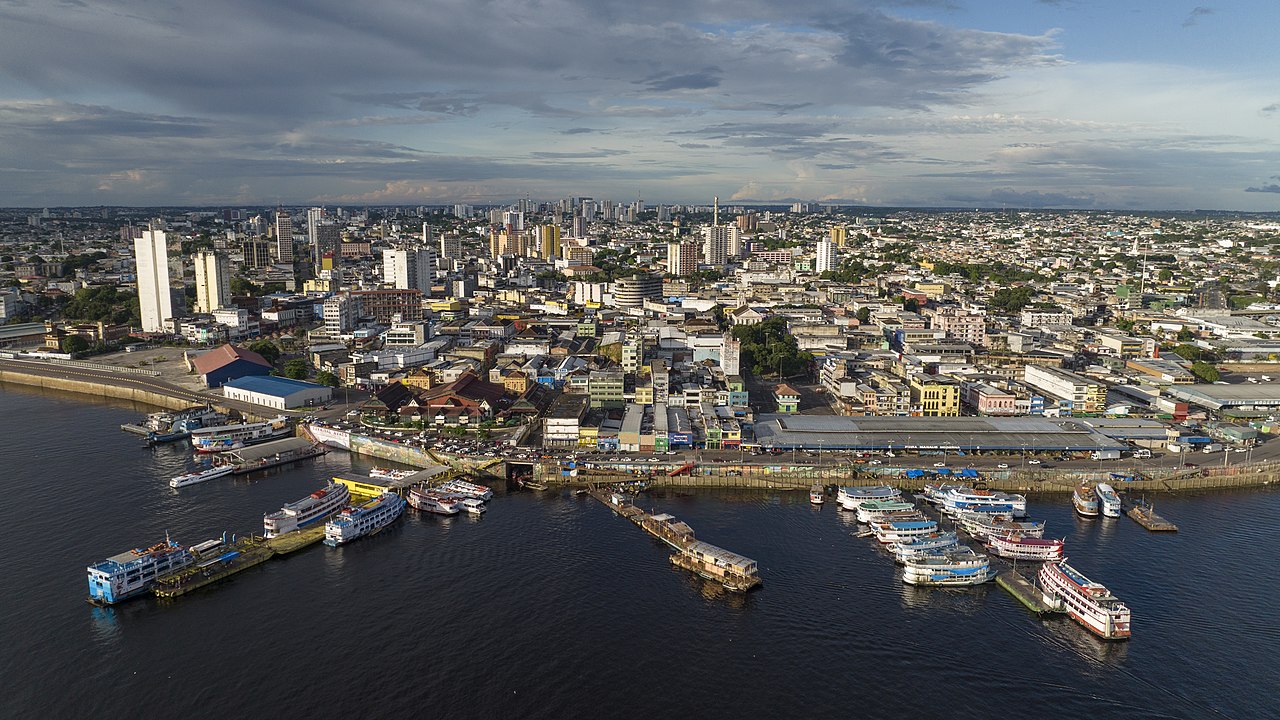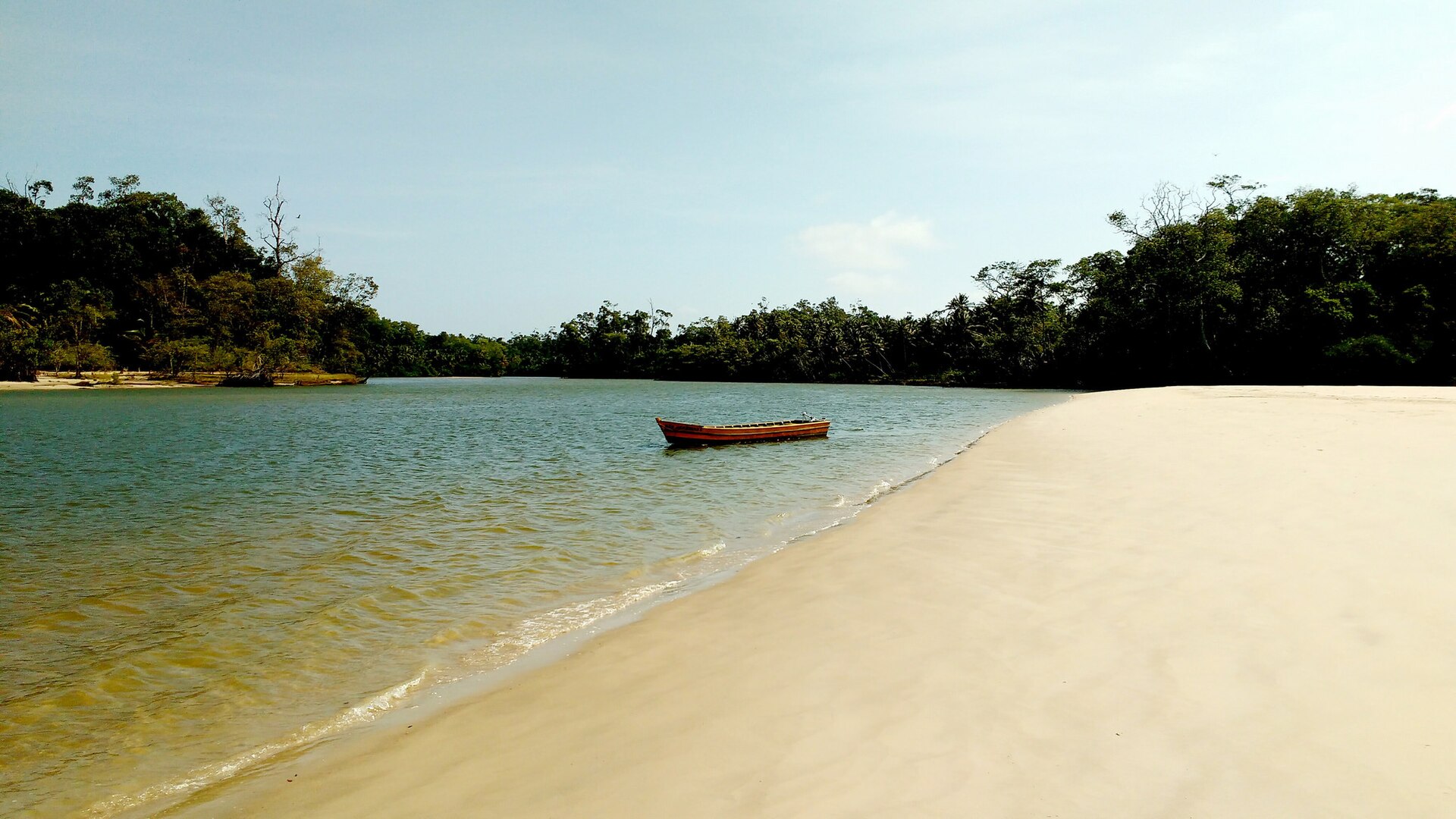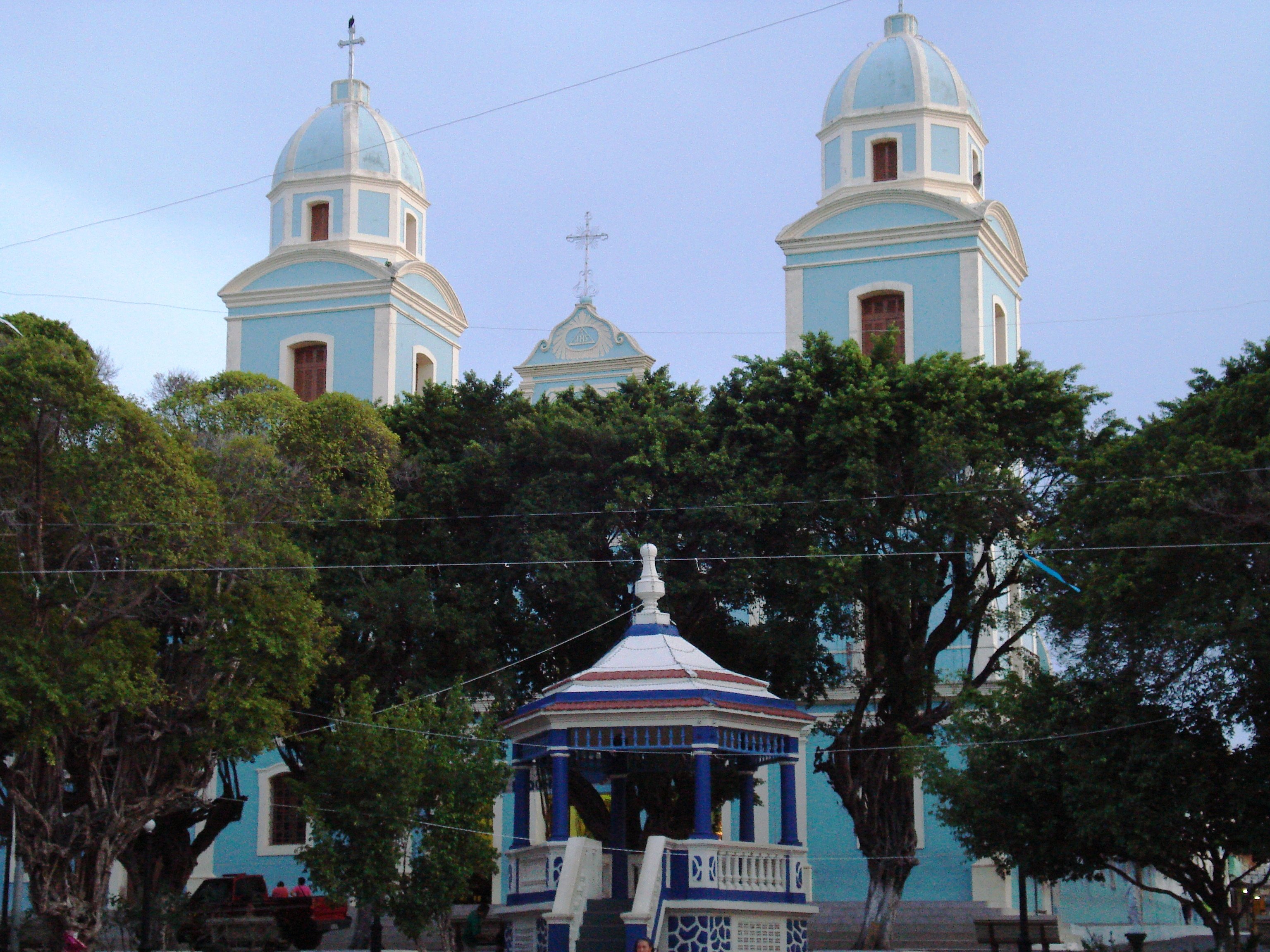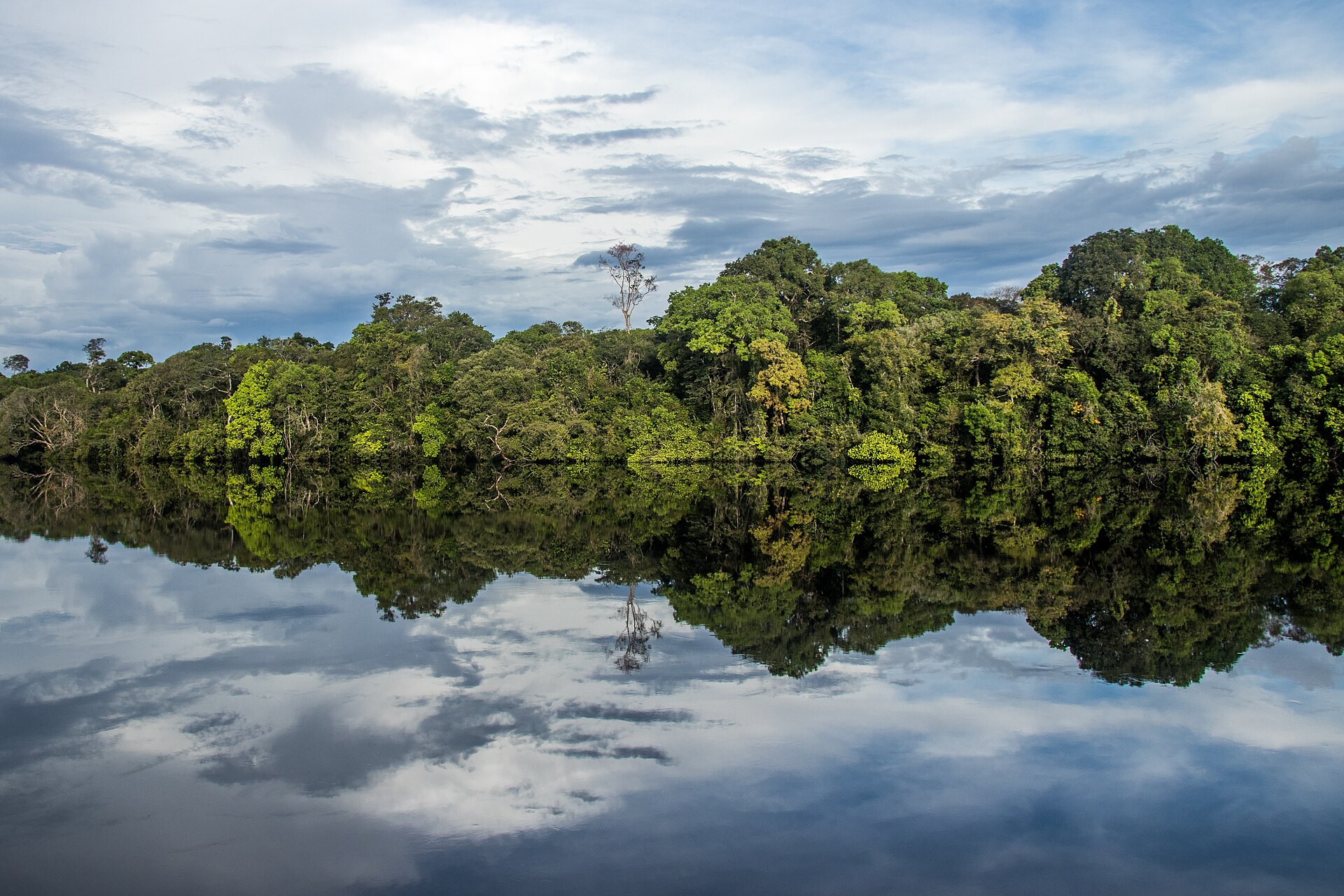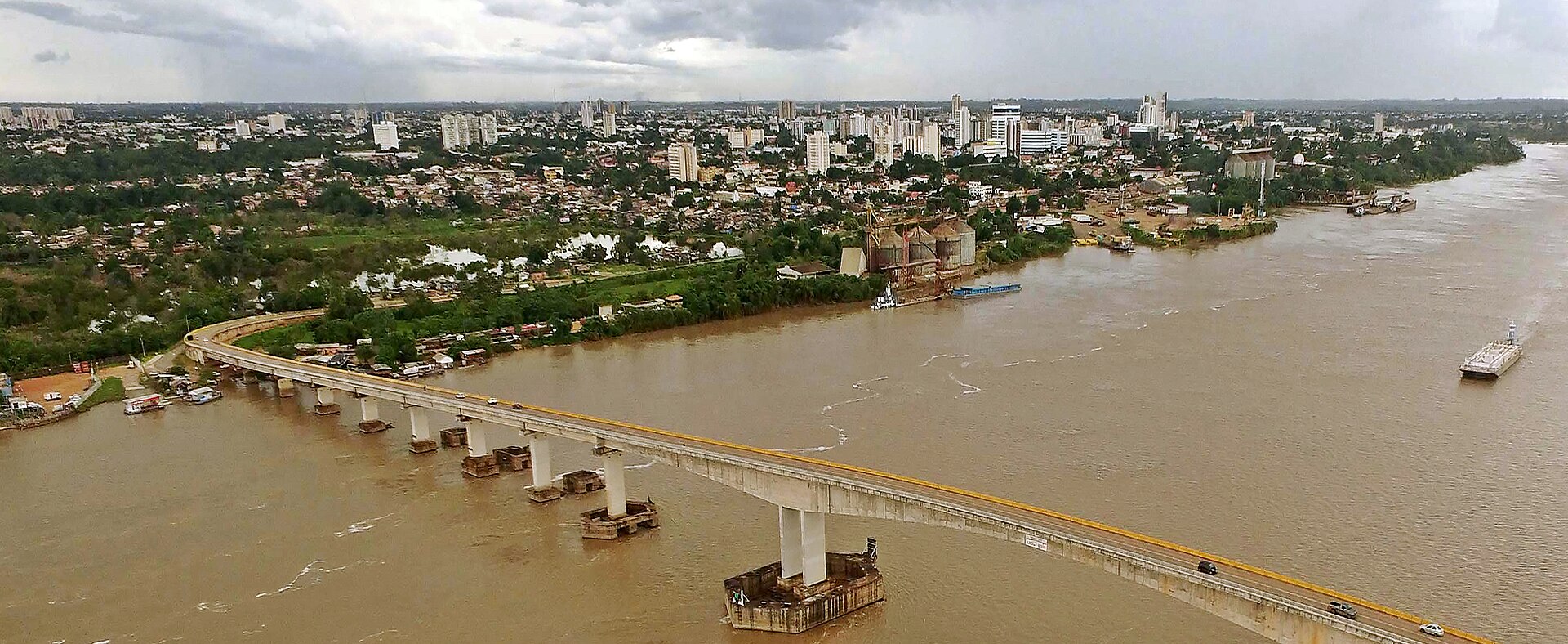
The Norte is the Amazon. It covers nearly half of Brazil's territory — Amazonas, Pará, Amapá, Rondônia, Roraima, Acre and Tocantins — and holds under a tenth of its people, most of them in a handful of river cities. Roads are few; the rivers are the highways, and many trips here involve a boat.
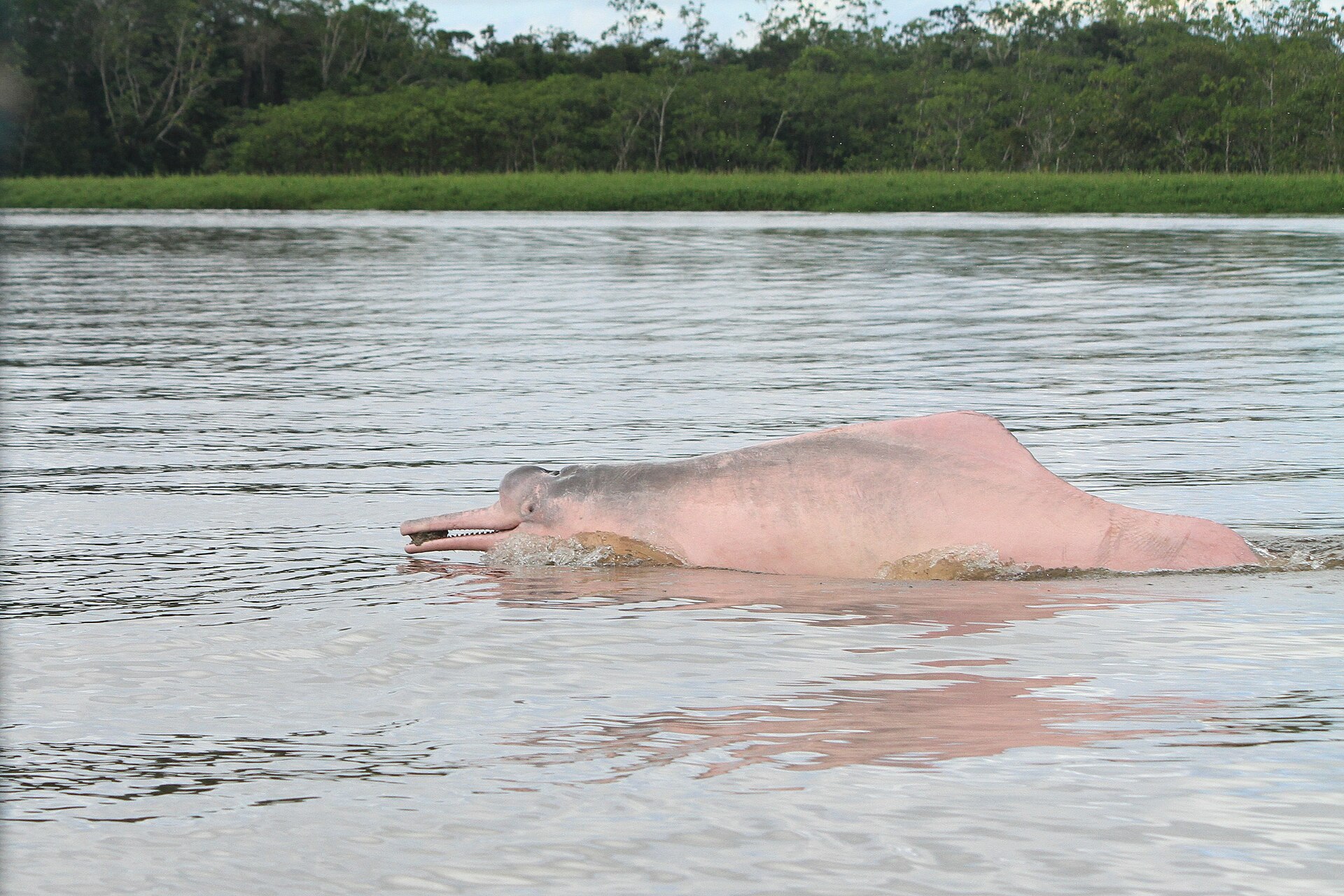
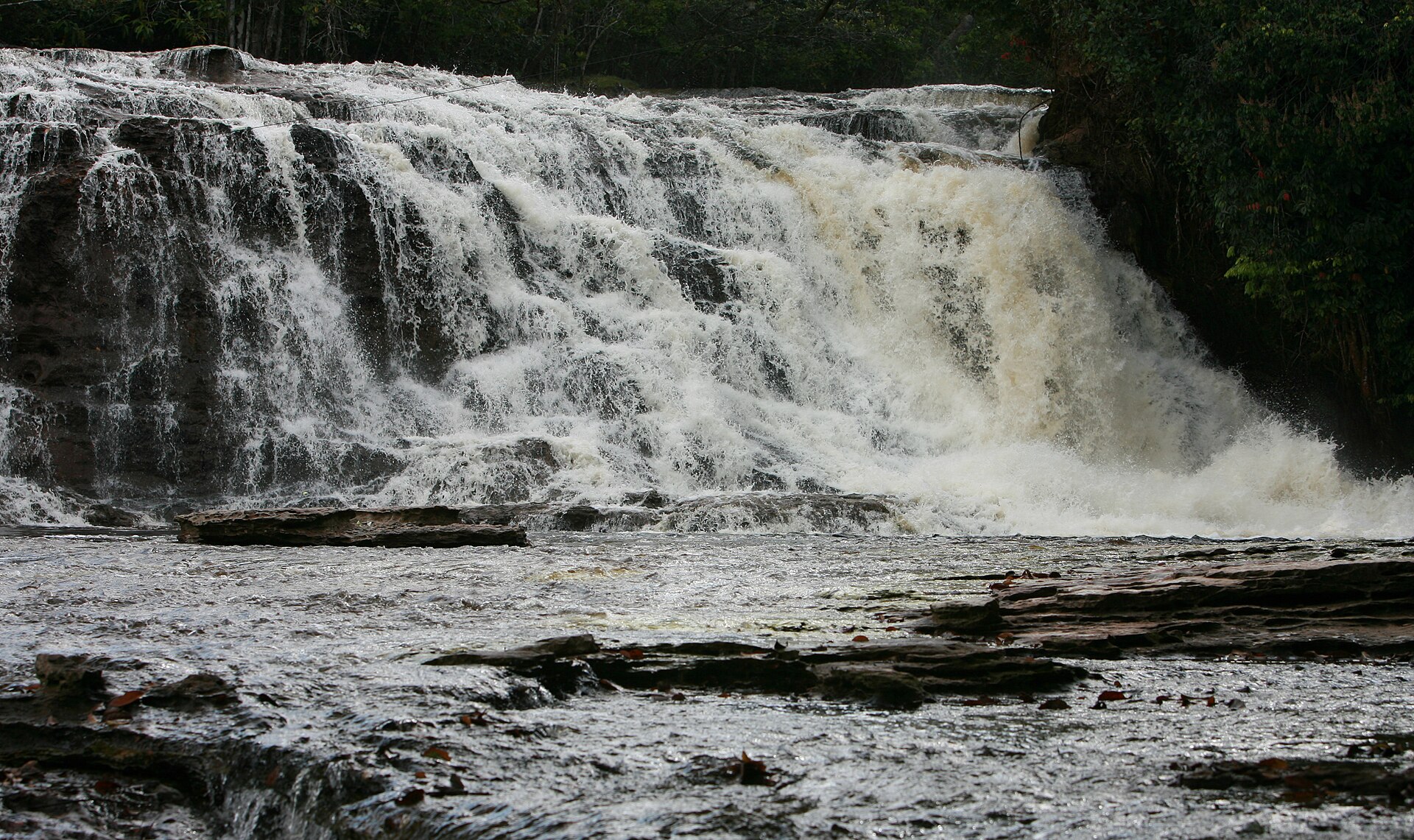
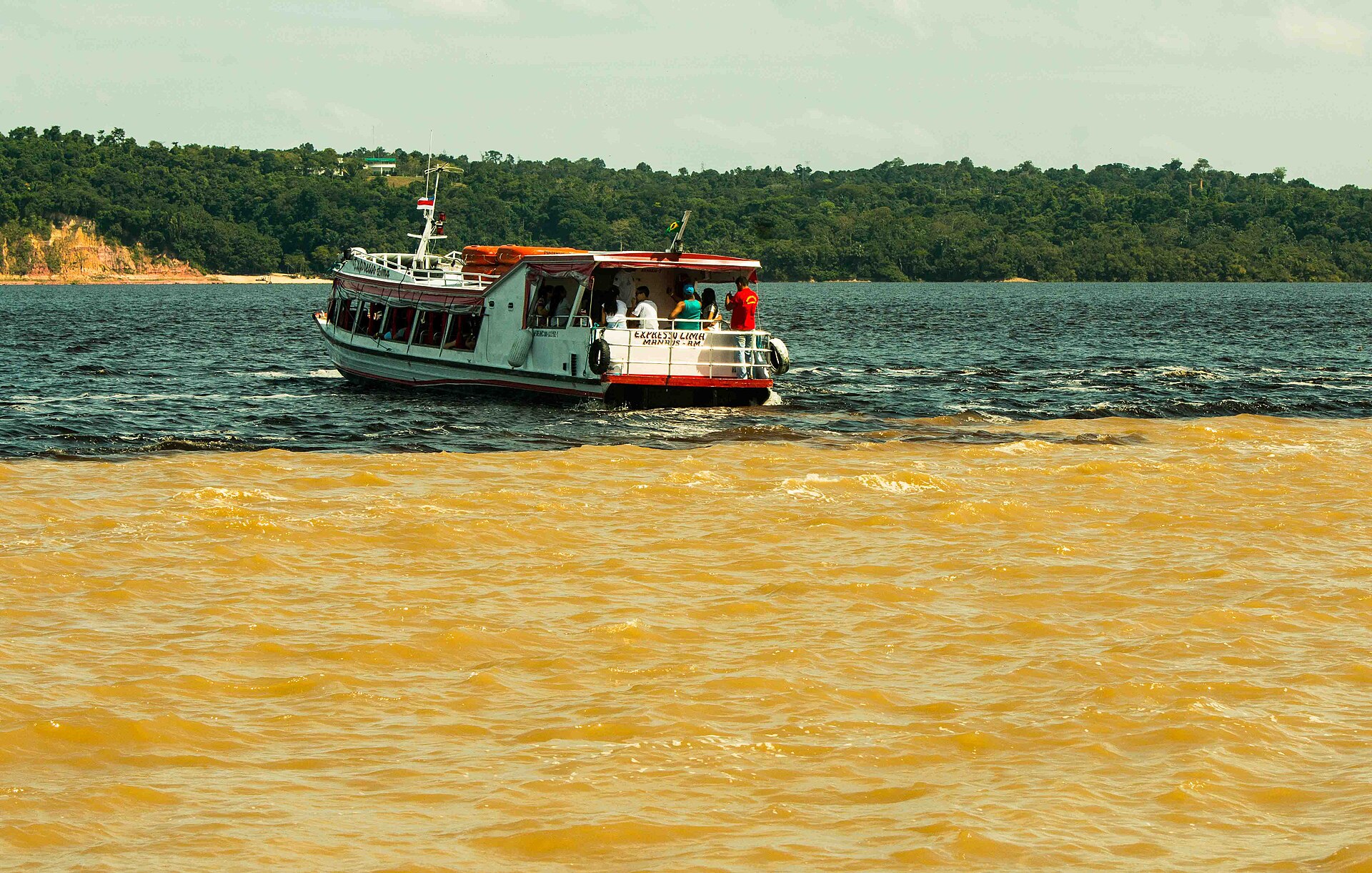
Manaus is where most visitors start: a city of two million in the middle of the forest, with a rubber-boom opera house and the Meeting of the Waters, where the black Rio Negro and the muddy Solimões run side by side without mixing. Upstream, the Anavilhanas archipelago and the remote Jaú National Park are the Rio Negro at its wildest; far to the west, Mamirauá is the best place in Brazil to see the Amazon's wildlife in flooded forest. Presidente Figueiredo is waterfall country two hours north.
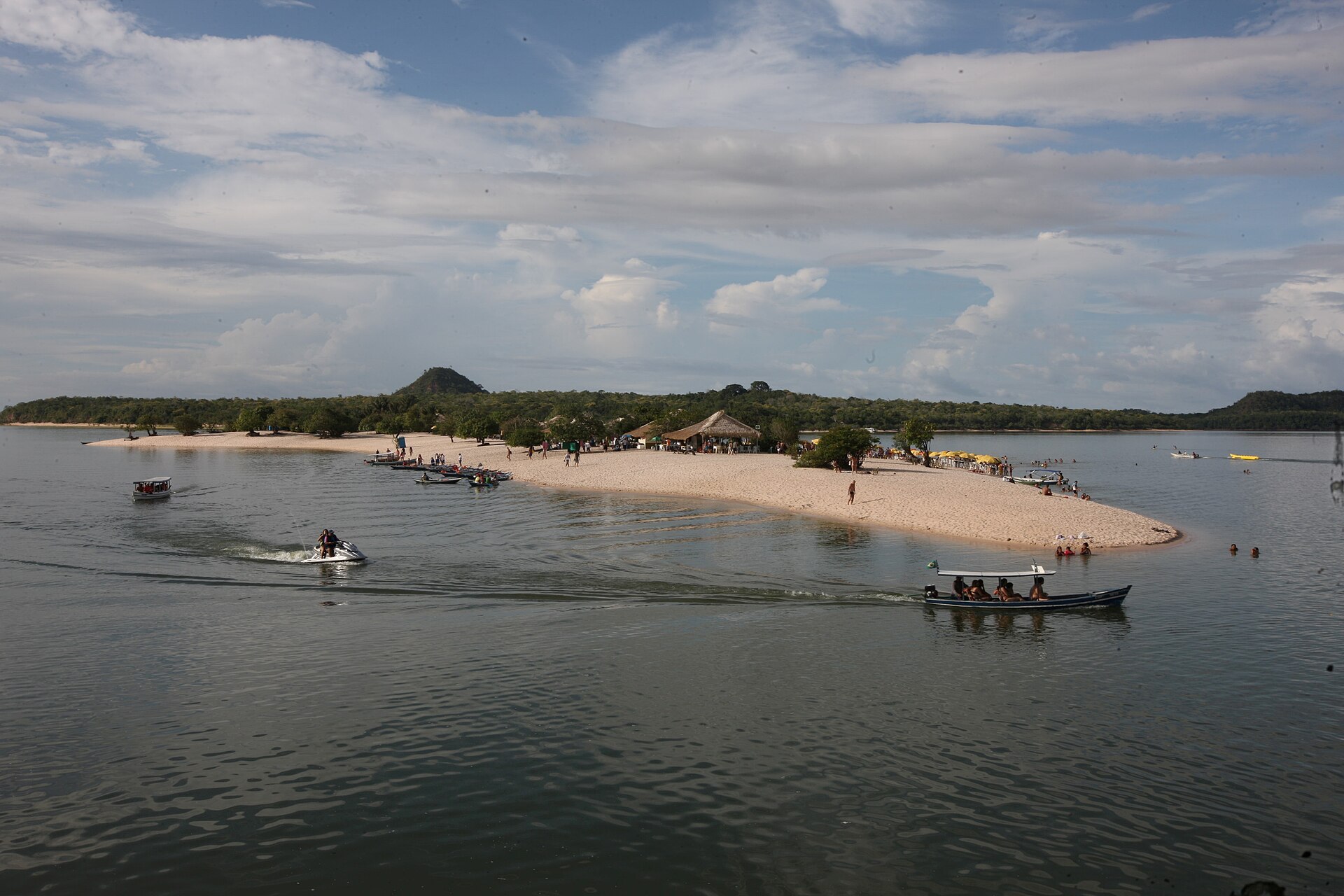
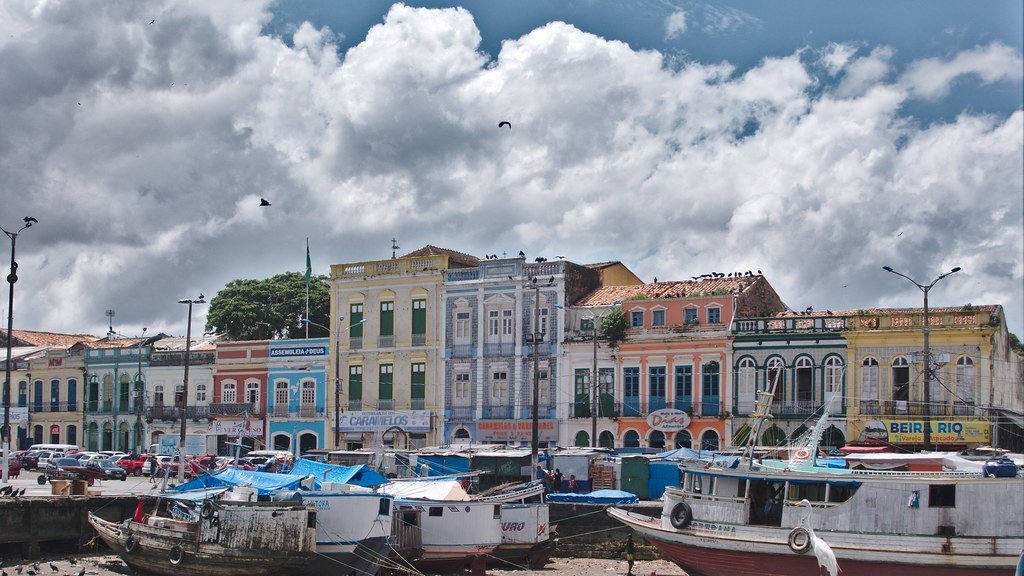
Downriver, Belém, at the mouth, has the best food market in Brazil and the ferry to Ilha de Marajó, an island of buffalo and mangrove. Halfway between the two cities, Santarém is the jumping-off point for Alter do Chão, whose river beaches are the region's great surprise.
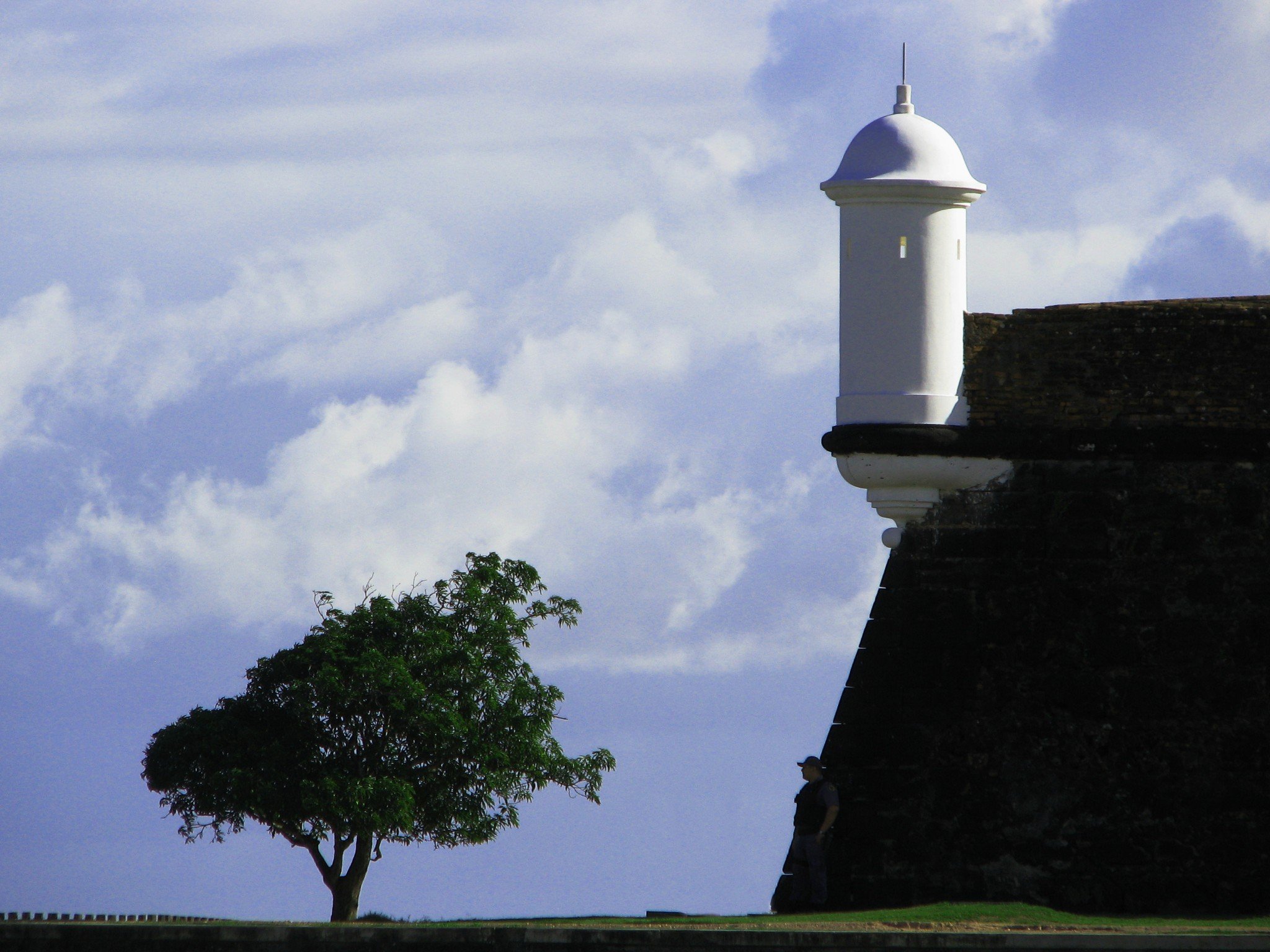
Away from the forest, Jalapão in Tocantins is a savanna of orange dunes and spring pools, and Macapá sits on the equator at the mouth of the Amazon.
The rainy season, roughly December to May, raises the rivers by many metres and floods the forest; the dry months uncover the beaches. Neither is the wrong time — they are different trips.