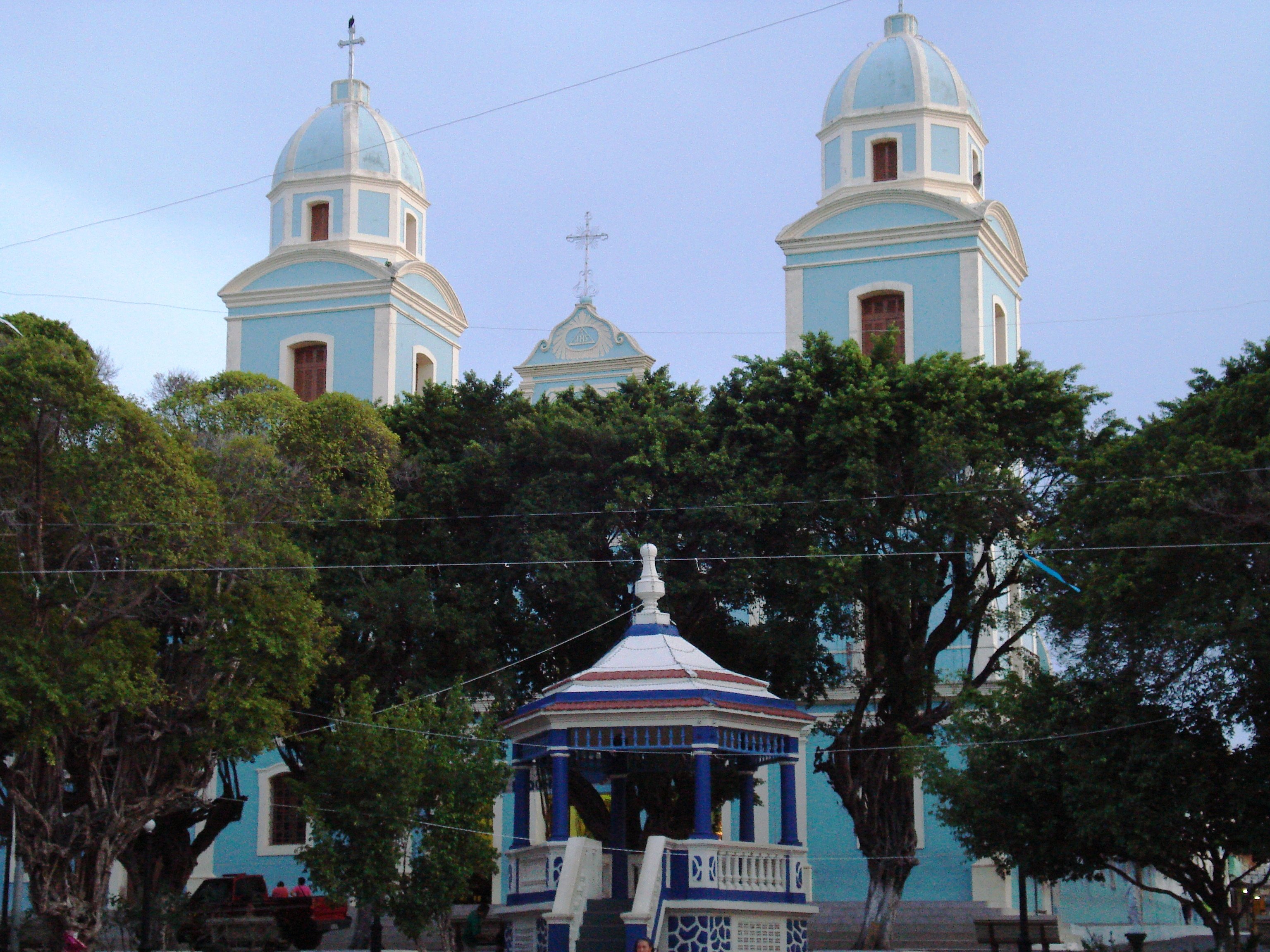
Santarém
©
Santarém

Santarém

Amazon city at the Tapajós confluence, known for clear-water beaches and the Meeting of the Waters

Santarém sits at the confluence of the Amazon and Tapajós rivers, roughly halfway between Belém and Manaus, and is one of the most appealing cities in the Brazilian Amazon. Around 250,000 people live here, and the surrounding area offers pristine rainforest, flooded forest, and a string of beautiful sandy beaches along the Tapajós.

The most striking natural spectacle is the Meeting of the Waters, where the dark waters of the Tapajós push up against the muddy brown Amazon for several kilometres before mixing — a quieter, less famous version of the same phenomenon seen near Manaus. Alter do Chão, a village 37 kilometres to the south, has beaches of white sand that look tropical enough to be from a tourism brochure, and is genuinely lovely outside of the peak October festival season.

Getting here by river boat takes about two days from either Belém or Manaus — a classic Amazon journey. Flights from both cities take around an hour. The BR-163 highway to Cuiabá is still largely unpaved and not recommended unless you know what you're getting into.

Guide

Activities

The operators below run trips in and around Santarém. Each is registered with Cadastur, Brazil's Ministry of Tourism register of tourism businesses, and publishes a WhatsApp number on its own website — the usual way to book in Brazil.

Guide

Getting There

Santarém's Maestro Wilson Fonseca Airport (STM) receives flights from Belém and Manaus operated by Azul and LATAM. Journey times are around an hour from either city. Book in advance as the route can fill up.

The classic way to arrive is by river boat. Boats depart regularly from Belém (about 48 hours, downstream) and Manaus (about 36 hours, also downstream going eastward). The boats have hammock class and basic cabin class; bring a hammock, a lock for your bag, and food to supplement what is sold on board. The journey itself is the point — the river, the forest, the sunsets.

The BR-163 road from Cuiabá is partially paved but long sections remain dirt or gravel, and travel is difficult in the wet season. This route is not recommended for most visitors.