Providencia
©
Providencia

Providencia

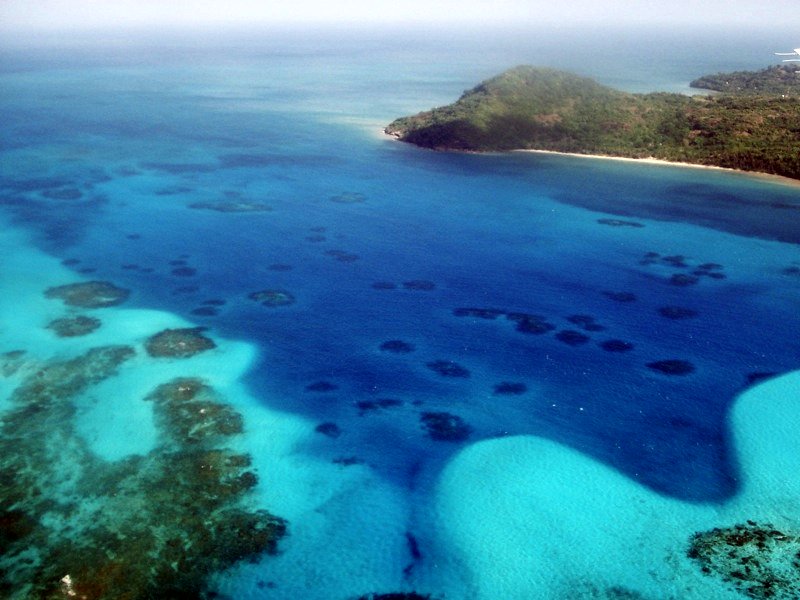
Colombian Caribbean island with volcanic peaks, quiet beaches, and one of the Americas' broadest barrier reefs.

Providencia is the smaller, quieter, and more beautiful of the two main islands in Colombia's San Andrés and Providencia archipelago, lying about 75 kilometres north of San Andrés in the western Caribbean. Where San Andrés has duty-free shopping and package tourism, Providencia has volcanic peaks, empty beaches, and a pace of life that runs on island time.

The island is ringed by one of the most extensive barrier reefs in the Americas, and the snorkelling and diving are exceptional — Crab Cay and the protected waters of Old Providence McBean Lagoon National Park are particularly good. On land, the hike up to El Pico (360 metres) gives panoramic views over the sea of seven colours, so called for the shifting shades of blue and green over the reef.

The local population is largely Raizal, descendants of English-speaking Caribbean settlers, and the culture feels more Jamaican than Colombian. Fort Warwick on neighbouring Santa Catalina island speaks to that history. Be prepared for high food prices — nearly everything is imported. Getting here requires a short flight from San Andrés, or a catamaran that takes about three to four hours.

Guide

Beaches

Providencia's beaches are lovely but secondary to its reef. The best stretches of sand are on the western side of the island, sheltered from the prevailing winds.

Manzanillo beach is the most visited — a calm bay with shallow water good for swimming, backed by a few small restaurants and palms. Aguadulce (Southwest Bay) is slightly longer and has some snorkelling close to shore. Both are accessible by moto-taxi or bicycle.

The east coast is more exposed and rougher, but worth visiting for the dramatic views of the reef breaking offshore. South West Bay is a good spot to watch sunsets. Avoid beaches on the northern tip in rough weather — waves can come in unexpectedly.

Note: jellyfish are occasionally a problem in the sheltered bays, particularly after heavy rains. Ask locals before swimming.

Guide

Getting There

Getting to Providencia requires going through San Andrés first. There are no direct flights from mainland Colombia.

From San Andrés, Satena operates small prop-plane flights to El Embrujo Airport on Providencia — the only airline serving the route, typically once or twice daily. The flight takes about 25 minutes. Book well in advance during Colombian holiday periods (Semana Santa, July, and December), when seats sell out quickly.

The catamaran ferry (run by Sensation Speed Boat, among others) is the alternative. The crossing takes around three to four hours and costs significantly less than the flight; however, the sea can be rough and the boat is small. Check current operators at the port in San Andrés. There is no reliable boat service in bad weather.

Providencia itself has no buses or taxis in the conventional sense. Moto-taxis are the primary transport around the island, and bicycle or scooter rental is available. The island is small enough that most places are within a 20-minute ride of Santa Isabel.

Guide

Things to Do

Providencia's main draw is its reef — one of the most extensive barrier reefs in the Americas — and the snorkelling and diving are genuinely exceptional. Crab Cay is the most popular snorkelling spot: a small rocky islet just offshore surrounded by shallow coral gardens teeming with fish. The Old McBean Lagoon national park area protects the best stretches of reef.

On land, the hike up to El Pico (360 metres) is the most rewarding thing to do — a steep but well-marked trail through tropical forest that delivers panoramic views over the sea of seven colours. Fort Warwick on the hill above Santa Isabel is a small 18th-century English fortification with good views and a slice of the island's complicated colonial history.

The island's beaches are beautiful but not the primary attraction — the water is where Providencia shines.

Guide

When to Go

The best time to visit Providencia is December through April — the dry season, when skies are clearest and the sea is calmer for snorkelling and diving. January and February are the peak months for underwater visibility.

May through November is the rainy season, with the risk of hurricanes from July to October. The island sits in the hurricane belt and has been directly hit in the past — Hurricane Iota in November 2020 devastated Providencia, destroying over 90% of buildings on the island. Reconstruction was substantial, but infrastructure can still be fragile in the off-season.

Colombian school holidays (Semana Santa in March/April, July, and December/January) bring a surge of domestic tourists, particularly from San Andrés. Prices rise and accommodation books up. Visiting just outside these windows gives better rates and a quieter island experience.