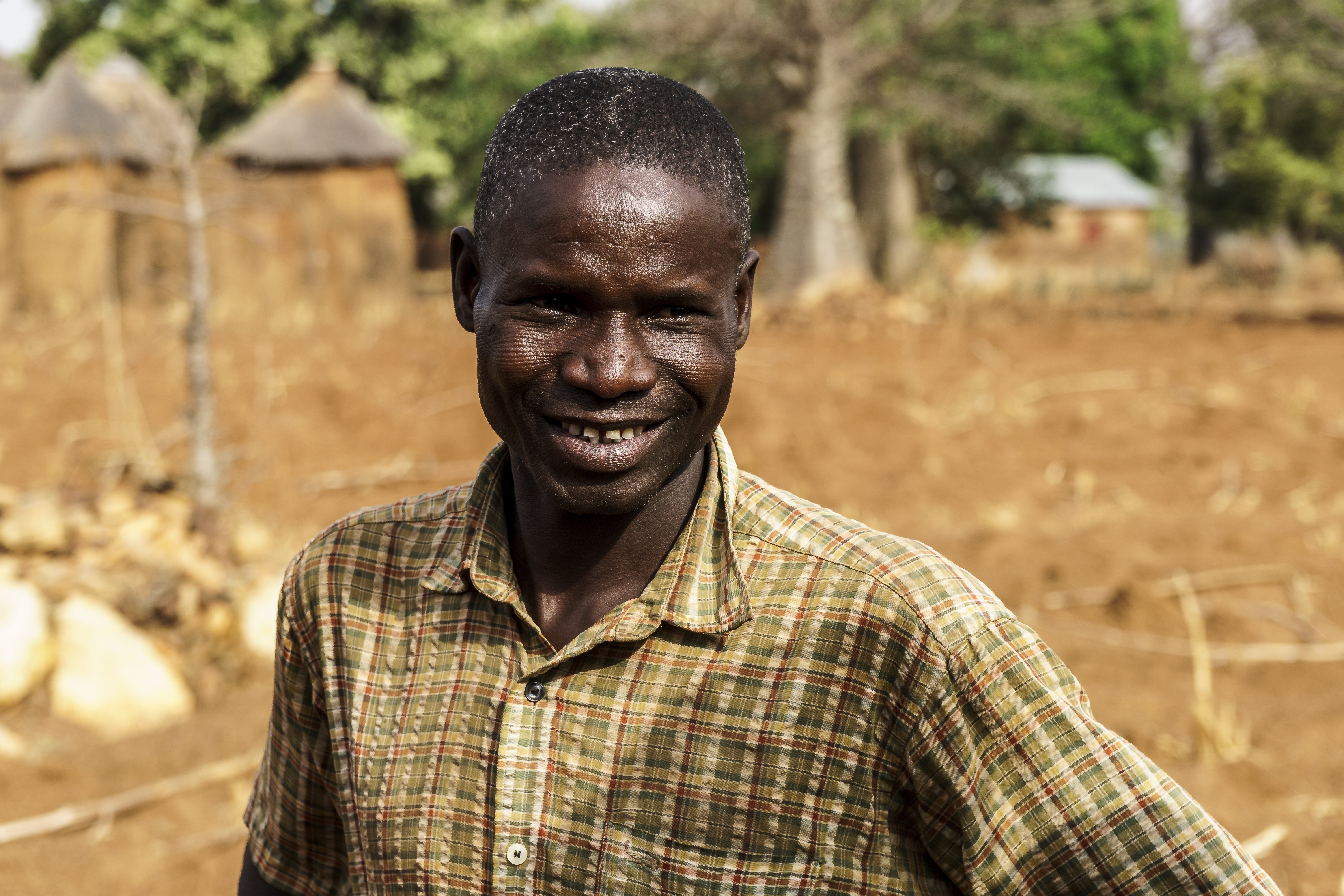
In the Atakora hills of northwestern Benin, the Somba (or Betammaribe) people live in some of the most distinctive vernacular architecture in West Africa: the tata somba, a fortified two-storey mud-tower house with a flat or domed clay roof, granaries on the upper level, and animals stabled below. Each compound sits alone on the rocky slopes, surrounded by millet fields and a few baobab trees. There is no proper village in the European sense — just dispersed family forts spread across a landscape of low hills and dry savanna. It is a way of building, and a way of living, that has held its shape for centuries.
The Somba are part of the Batammariba cultural group that straddles the Benin–Togo border. On the Togo side the landscape is protected as Koutammakou, a UNESCO World Heritage Site since 2004 (extended in 2023 to include the Beninese portion). The historical reason for the architecture is plain: these hills were a refuge from raiding kingdoms, including the slave-hunting expeditions of the Dahomey and the warlords of the Sahel, and the tata is essentially a small fortress designed to keep a family and its livestock safe.
The practical base for visiting is Boukoumbé, the main commune town on the Beninese side. From Boukoumbé you can arrange a guide and walk or drive between compounds at Koussoukoingou, Natta, and other arrondissements where families still welcome visitors. The other route in is from Natitingou, the regional capital, about 45 km to the northeast, where most travellers organise a half-day or full-day trip with a local driver who speaks the necessary Ditammari or French.
Approach this place gently. The tata are inhabited homes, not museum pieces, and the practice of asking permission before entering a compound, accepting a calabash of millet beer if it is offered, and paying a fair price to the family that hosts you is the difference between this remaining a living tradition and turning into an ethnographic theme park. A guide who knows the families is worth several times the modest cost.