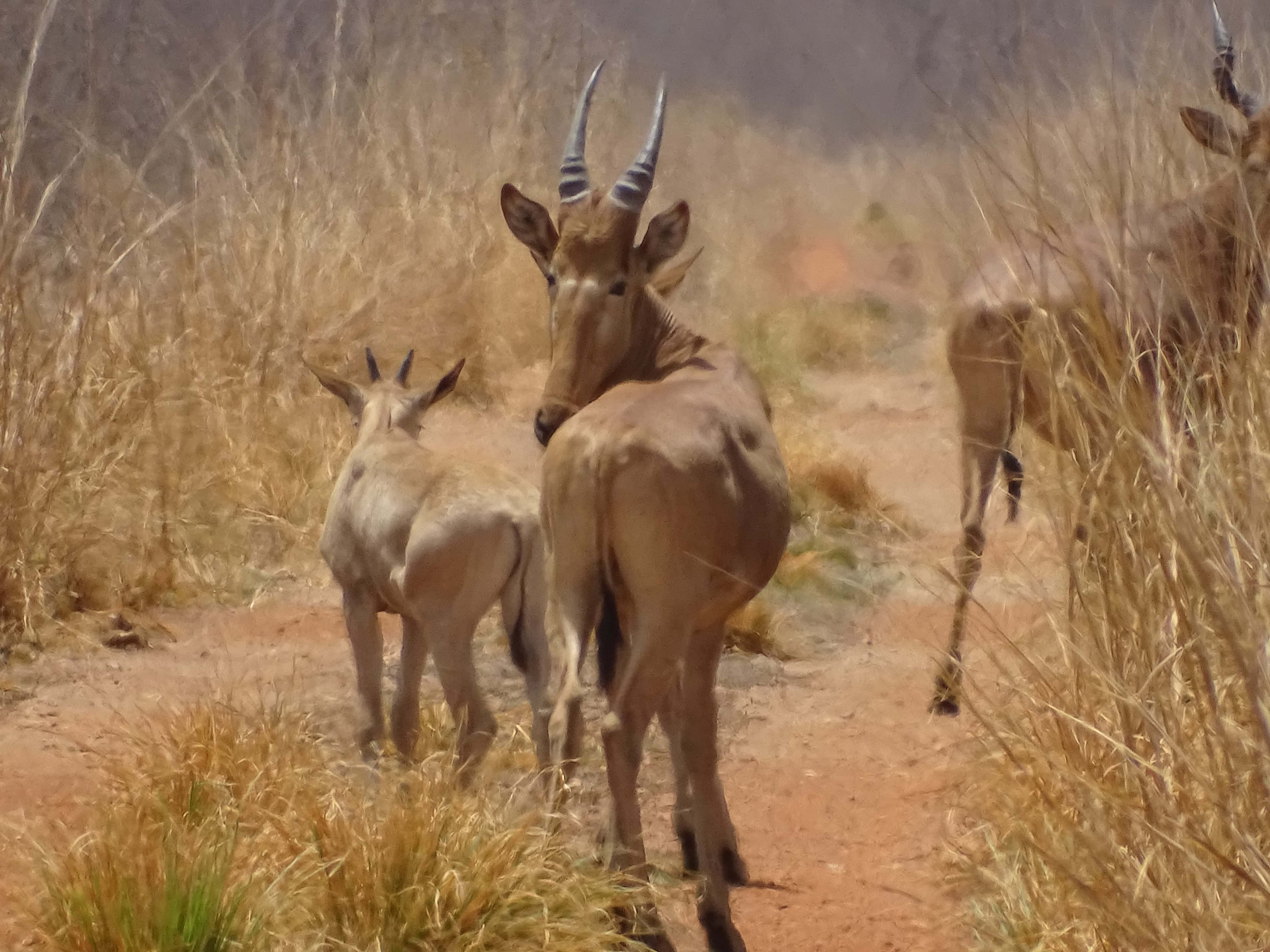
Pendjari National Park is the wildlife heart of northern Benin and, alongside neighbouring W National Park in Burkina Faso and Niger, one of the last places in West Africa where the great savanna fauna still hangs on at scale. The park covers nearly 2,755 square kilometres of wooded savanna and gallery forest in the Atakora region, bounded by the Pendjari River to the north (which forms the border with Burkina Faso) and the Atakora escarpment to the south.
The wildlife is the headline. Pendjari holds the largest remaining population of West African lion — a critically endangered subspecies down to a few hundred animals across the whole region — along with elephants, buffalo, hippos, cheetahs, and large numbers of roan and hartebeest. Forest elephants and savanna elephants both occur here, and the birdlife is exceptional, particularly along the Pendjari River. Since 2017 the park has been managed by African Parks in partnership with the Beninese government, and the difference shows: roads are maintained, anti-poaching has tightened, and game viewing has steadily improved.
The standard base is Tanguiéta, a small town just south of the park where most visitors organise vehicles, guides, and a meal before driving in. Inside the park, the historic lodge at Batia and the entrance area at Porga are the main bases for game drives. The waterholes — especially Mare Bori — are reliable for elephant, buffalo, and predator sightings late in the dry season, when animals concentrate at the few permanent pools. Just outside the park, the Tanougou Falls are an easy half-day side trip from Tanguiéta and a fine cool swim after a dusty drive.
Pendjari is the Beninese portion of the larger transboundary W-Arly-Pendjari complex, a UNESCO World Heritage Site that links three contiguous parks across Benin, Burkina Faso, and Niger. The whole complex is the largest intact wildlife ecosystem in West Africa. Visit between January and early May — by mid-May the rains begin, the tracks turn to mud, and the park closes until December.