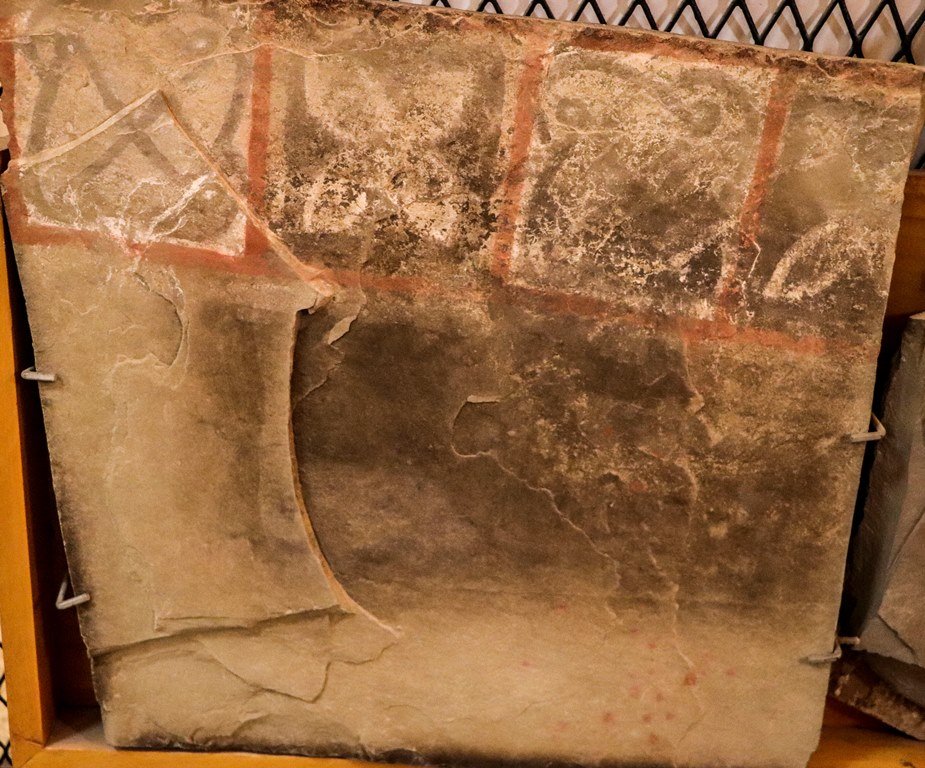
Medieval Ghana Empire archaeological site, preserving stone ruins from a trans-Saharan trade capital
Koumbi Saleh is what remains of the once-flourishing capital of the Kingdom of Ghana — not the modern West African nation, but the medieval empire that controlled the trans-Saharan trade in gold, salt, and slaves from roughly the 6th to the 13th century. At its height the city may have held tens of thousands of people, and the wealth flowing through it funded elaborate stone buildings and a royal court of considerable sophistication.
Traces of the town were discovered in 1913, and Koumbi Saleh is now considered the premier archaeological site of Mauritania. Excavations have revealed the outlines of a walled city with a mosque, stone houses, and the remains of what was once one of the largest urban centres in sub-Saharan Africa.
Getting here requires effort. The site lies not far off the main road between Ayoun al Atrous and Nema, but traffic is sparse and the final stretch demands your own vehicle or a willing driver. For those interested in the deep history of West Africa, it is worth it.
Guide
Getting There
Koumbi Saleh sits in the remote southeastern corner of Mauritania, roughly 70 kilometres north of the border with Mali. The nearest town of any size is Timbedra, about 50 kilometres to the south on the main paved road that links Ayoun al Atrous with Nema. From Timbedra a dirt track leads north to the site; this final stretch requires a 4WD vehicle, especially after rain.
From Nouakchott, the journey takes the better part of two days by road. Shared bush taxis run from Nouakchott to Ayoun al Atrous and onward to Nema, stopping in Timbedra. From Timbedra you will need to negotiate transport — local drivers know the site and can take you there for a fee. Hiring a vehicle in Timbedra or arranging one through a Nouakchott travel agency is the most reliable approach.
There is no public transport to the site itself. Fuel and supplies should be topped up in Timbedra. A guide familiar with the area is strongly recommended, both for navigating the track and for understanding what you're looking at once you arrive.