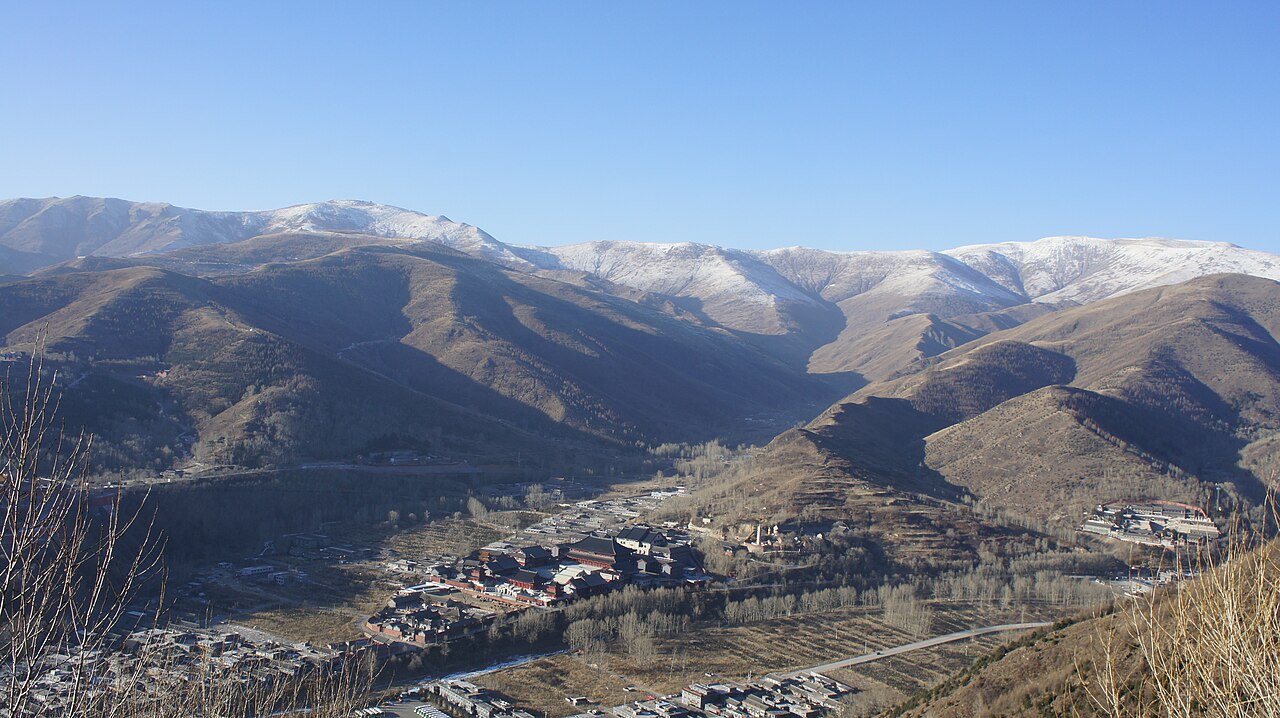
Shanxi sits in the middle reaches of the Yellow River — its name literally means "west of the mountains", referring to the Taihang range that separates it from Hebei and, usefully, distinguishes it from neighbouring Shaanxi. It is an old, dry, yellow-loess land of some of the earliest centres of Chinese civilisation, and a place where much of traditional China has survived the 20th century better than almost anywhere else in the country.
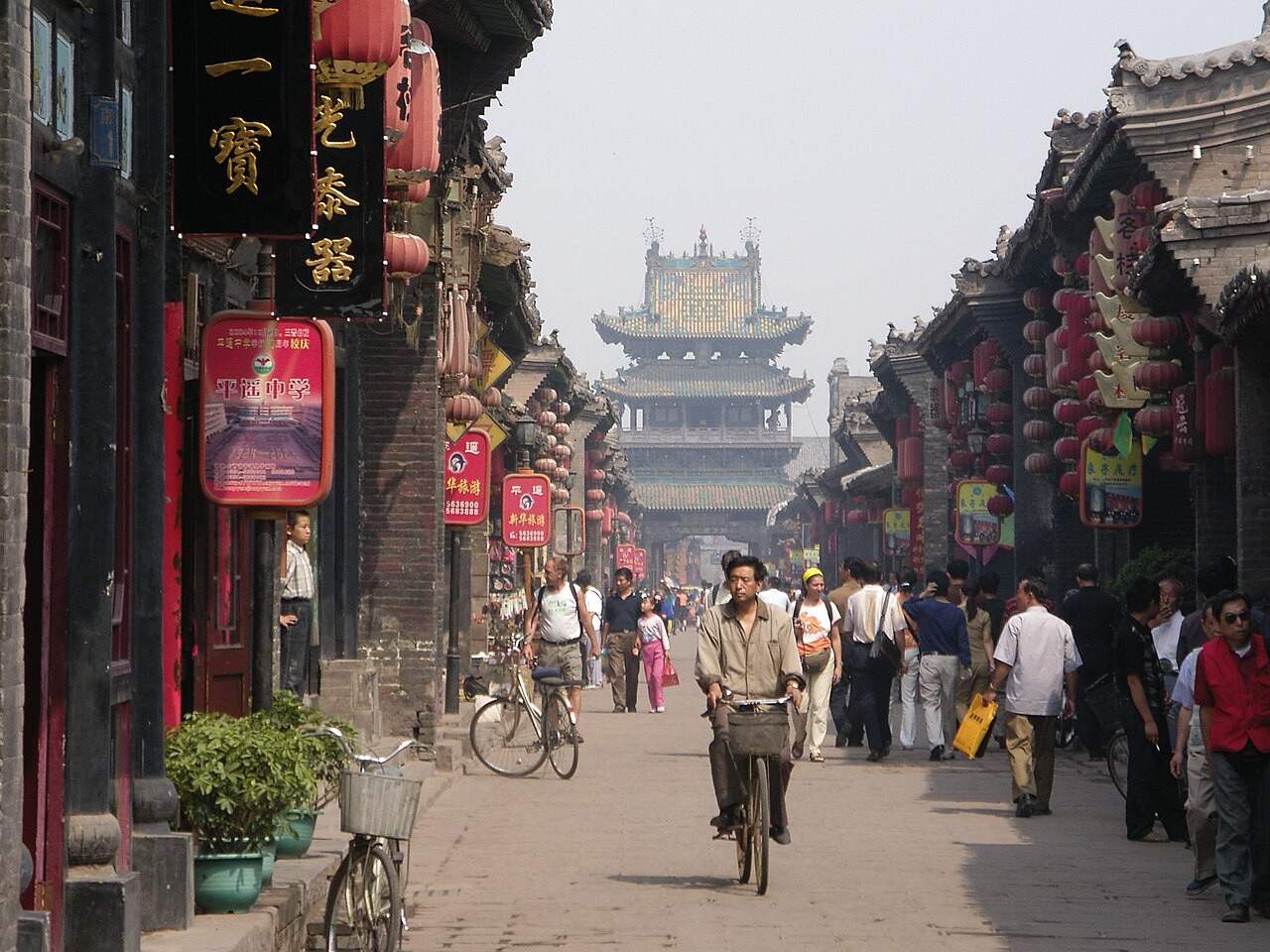
Two destinations more than justify the detour. Pingyao is the best-preserved walled city in China, a complete Ming and Qing merchant town inside a 6.4 km circuit of city walls — the birthplace of Chinese banking, a UNESCO site, and the best place in the country to feel what pre-modern China looked like. Mount Wutai is one of the four sacred Buddhist mountains, an alpine valley full of old wooden temples, pilgrims and the cool summer air that has drawn visitors for nearly two thousand years. The Yungang Grottoes outside Datong (5th-century Buddhist cave carvings) and the cliff-clinging Hanging Monastery round out the itinerary.
Taiyuan, the provincial capital, is the arrival hub — high-speed trains run here from Beijing in about three hours — but there is little to detain you in the city itself. One third of all China's coal comes out of the ground in Shanxi, which makes for smoggy industrial towns and hair-raising truck traffic; travel here rewards patience.