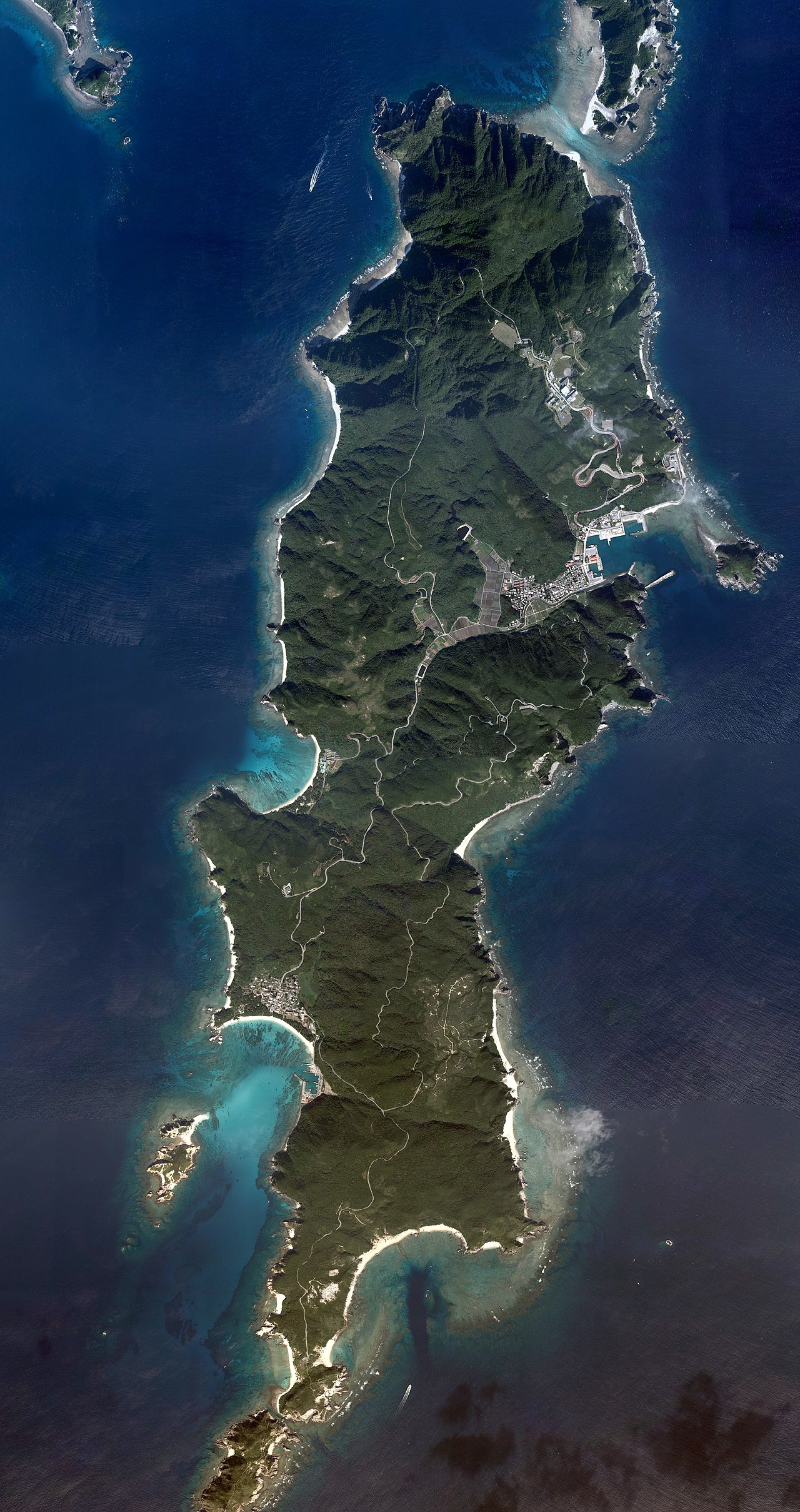
Tokashiki Island
©
Tokashiki Island

Tokashiki Island

Kerama island near Okinawa, known for white-sand beaches, clear reefs, and winter humpback whales.

Tokashiki is the largest of the Kerama Islands, a chain of small islands about 30 kilometres west of Naha in Okinawa. The island is known for its clear water, coral reefs, and white-sand beaches — Aharen Beach on the south coast and Tokashiku Beach on the west are the main draws.

In winter (January through March), humpback whales migrate to the warm waters around the Kerama Islands for breeding. Whale-watching boat trips run from the island and from Naha, and sightings are reliable during peak season. The rest of the year, the main activities are snorkelling and scuba diving at some of Japan's finest reefs, and simply sitting on some of the best beaches in Okinawa.

The island is small and quiet, with only a few hundred permanent residents. There is a campsite behind Aharen Beach for budget travellers, and several minshuku (family-run guesthouses) in both Aharen and Tokashiki village.

Guide

Getting There

Ferries and high-speed boats run from Tomari Port in Naha. The ferry takes about 70 minutes; the high-speed Marine Liner takes 35 minutes. Check the Tokashiki Village website for current schedules and fares.

It is also possible to charter a diving boat from Zamami or Aka island — roughly 8,000 yen from Aka and 10,000 yen from Zamami. These arrive at Aharen Port, not the main Tokashiki Port. Ask local dive shops on either island to arrange this.

Guide

When to Go

Tokashiki Island is good year-round, but the reason to visit changes by season.

January to March is whale-watching season, the single best reason to visit in winter. Water temperatures drop to around 18–20°C (wetsuit recommended for snorkelling), but whale sightings are reliable and the island is quiet.

April to June offers excellent diving and snorkelling conditions — water warming, visibility high, crowds absent. Cherry blossoms bloom early in the Ryukyus (late January to February), before the rest of Japan.

July to September is peak season. The beaches are at their best, water is warm (28–29°C), and conditions are ideal for everything aquatic. The island fills up with Japanese holiday-makers; book accommodation well ahead.

October to December is quieter, with comfortable temperatures (22–25°C) and clear water. Typhoon risk persists through October; check forecasts if visiting early in the period.