Miyako Island
©
Miyako Island

Miyako Island

Ryukyu island of white coral beaches, clear turquoise water, and bridge-linked islets

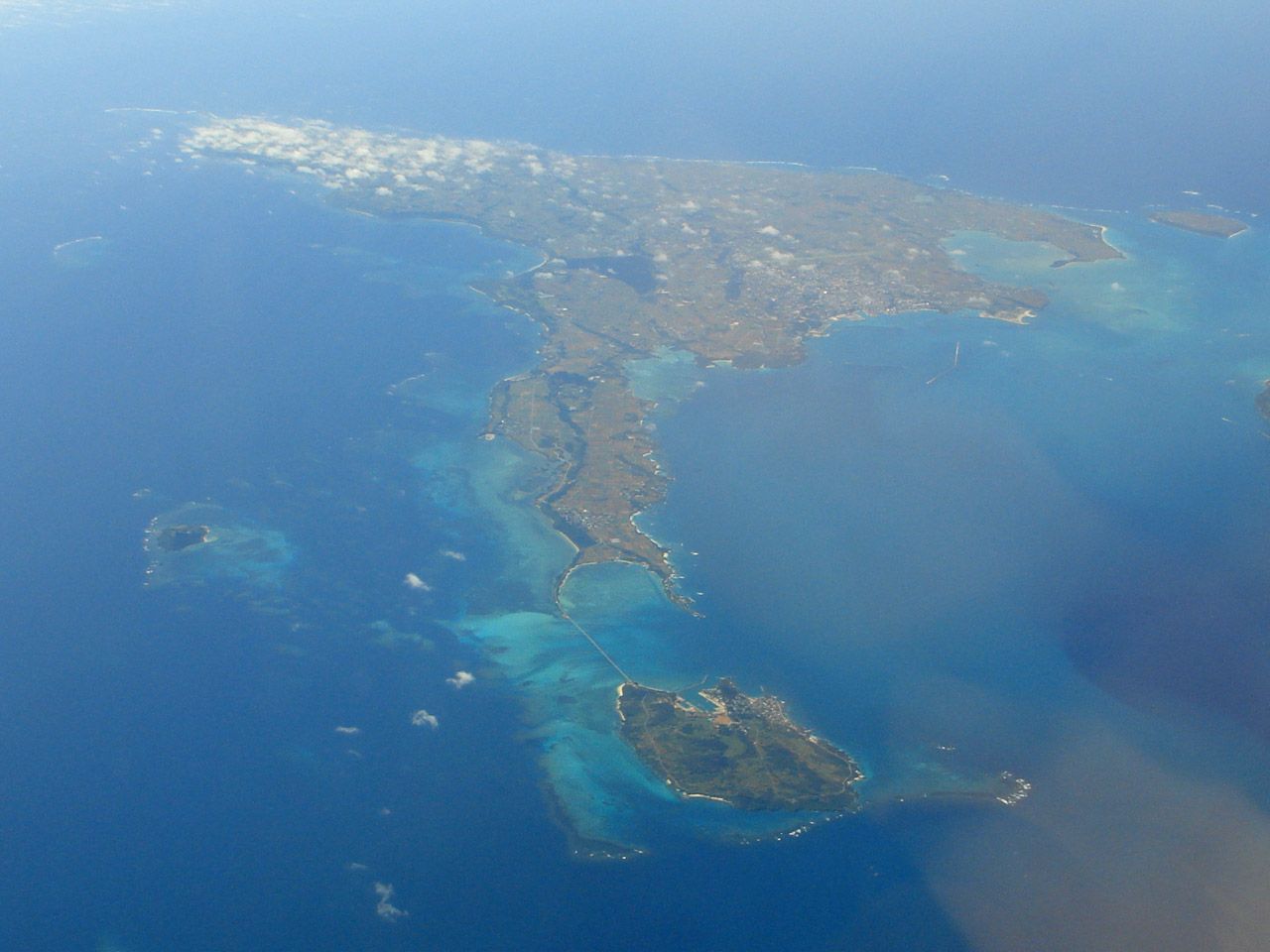
Miyako Island has some of the most beautiful beaches in Japan — white coral sand, turquoise water so clear you can see the bottom from the bridges that connect the island to its smaller neighbours. The island sits about 300 kilometres southwest of Okinawa's main island, far enough south that the water stays warm well into autumn.

The main beaches are Yonaha Maehama on the southwest coast (a long, wide arc of sand rated Japan's best beach by TripAdvisor in 2019) and Yoshino Beach on the east (better for snorkelling over the shallow reef, with sea turtles reliably present). Sunayama Beach on the northwest has a dramatic natural stone arch and a sand-dune approach. The Irabu Ohashi bridge — 3.5 kilometres long and toll-free — connects Miyako to Irabu Island, where Toguchi-no-Hama beach is quieter and equally beautiful. Higashi Hennazaki Cape at the island's southeastern tip is a National Place of Scenic Beauty — a narrow finger of reef-fringed land with ocean on both sides and a lighthouse at the end.

Miyako is flat — unusual for a Japanese island — so cycling is a good way to get around. The island's culture retains traces of the old Ryukyu Kingdom, visible in the traditional stone walls and the annual Paantu festival, where mud-covered sacred figures walk through the village of Shimajiri touching people and doorways to drive away evil spirits — a ritual of genuine strangeness and age.

Guide

Beaches

Miyako Island has more beach per capita than almost anywhere in Japan. The main ones are well-known; the lesser ones — small coves tucked between limestone outcrops — reward the cyclist willing to explore.

The island's three longest and most beautiful beaches are Yonaha Maehama on the southwest coast, Sunayama on the northwest, and Yoshino on the east. Each is different: Yonaha Maehama for swimming and lounging, Sunayama for scenery and its dramatic stone arch, Yoshino for snorkelling. On Irabu Island, accessible via the Irabu Ohashi bridge, Toguchi-no-Hama beach is quieter than any of the Miyako beaches and just as beautiful.

Guide

Getting Around

Miyako is unusually flat for a Japanese island, which makes cycling a genuine pleasure. Rental shops near the airport and in Hirara town rent out bicycles, scooters, and cars; a scooter gives you the most flexibility for reaching the smaller beaches and capes. Bus services exist but are infrequent and don't cover the island well outside of Hirara — don't rely on them for beach-hopping.

A rental car is the most practical option if you have luggage or are travelling with others. The island is small enough to drive around in a few hours, and all the main beaches have car parks. The three bridges to Irabu, Kurima, and Ikema islands are all open to traffic and toll-free.

Guide

Getting There

Miyako Island is served by Miyakojima Airport (MMY), which has direct flights from Tokyo Haneda, Osaka Itami, Osaka Kansai, Naha (Okinawa main island), and several other Japanese cities. The flight from Tokyo takes about three hours; from Naha it is about 45 minutes. ANA, JAL, and Skymark all operate routes. Fares vary widely — book early if you're travelling in summer or around the triathlon in April.

There is no ferry connection from the main Japanese islands. Inter-island ferries connect Miyako to the Yaeyama Islands (Ishigaki and Iriomote), but the journey takes several hours and rough seas are common; most people fly.

Guide

When to Go

Miyako has a subtropical climate — warm all year, with most rain falling between May and September during the typhoon season. Typhoons are a real risk from June through October, and one can cancel flights and close beaches with little warning. The island is small enough that a direct hit is genuinely disruptive.

The best time to visit is March through May: the sea is warm enough for swimming (around 23°C), the crowds are manageable outside the Golden Week holidays in late April and early May, and the light is exceptional. October and November are also good — water temperatures are still comfortable, typhoon risk is dropping, and the Paantu festival takes place somewhere in this window. The All-Japan Triathlon in April brings a significant crowd and fills accommodation — book early if you're going then.

Winter (December to February) is mild by Japanese standards — temperatures rarely drop below 18°C — but the water is cool for swimming and the island is at its quietest.