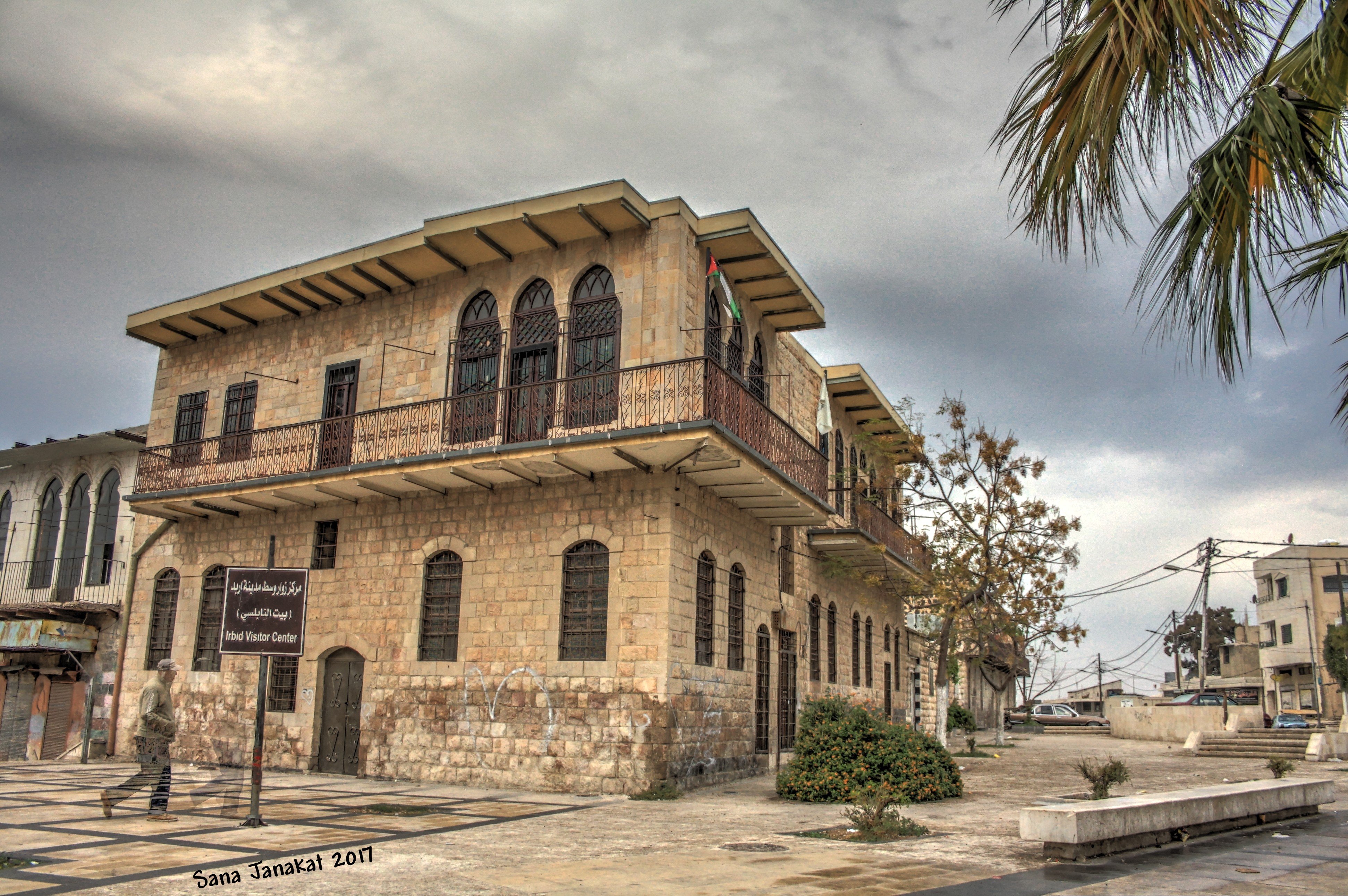
Irbid is Jordan's second city, sitting on the fertile plateau of the north about 80 km from Amman and a short drive from the Syrian border. Ancient Arabella of the Decapolis, it has been a wheat- and olive-growing town for thousands of years, though what you see today is unapologetically modern — a busy university city of around half a million people, cheerful, crowded, and largely built in the last fifty years.
There isn't much to detain a traveller in Irbid itself. The old centre has been swallowed by concrete, and the few historical fragments are modest. What Irbid does have is Yarmouk University, one of the best in the Arab world, and a famously dense stretch of internet cafes and student restaurants along University Street — allegedly the highest concentration of internet cafes per capita anywhere. On a warm evening it is a good place to eat cheap shawarma, drink cardamom coffee, and watch Jordan's student life go by. The Museum of Jordanian Heritage on campus is the best archaeological museum in northern Jordan.
The real reason to come, though, is as a base for the north. Umm Qais (ancient Gadara), with its black-basalt Roman ruins and sweeping view over the Sea of Galilee and the Golan Heights, is less than an hour away. Ajloun Castle, Pella, the hot springs of Mukheiba, and the forested hills of Ajloun and Dibeen are all within easy day-trip distance. Just north of the city, the modern village of Beit Ras sits on top of Capitolias, the smallest of the Decapolis cities, where excavations have yielded exceptional Roman mosaics. If you are touring the Decapolis, Irbid is the practical place to sleep.