Syria is one of the most historically rich countries on earth, and also one of the most difficult to visit right now. The civil war that began in 2011 ended in December 2024 when Bashar al-Assad's regime collapsed and he fled to Russia. A transitional government under Ahmed al-Sharaa took power in early 2025. The country is reopening, cautiously, to the outside world.
Most Western governments still advise against all travel to Syria, and their advice is worth taking seriously. Armed factions remain active outside the main cities, Israeli airstrikes continue, and the situation can change with little warning. That said, some travelers and tour operators have returned, and in the relatively stable areas — Damascus, Aleppo, the coast — conditions are calmer than at any point in the last fourteen years.
If you go, understand what you're walking into. This is not a country where things are back to normal. It is a country in the early stages of reconstruction, with extraordinary things to see and genuinely warm people, and real risk.
The country
Syria sits at the eastern end of the Mediterranean, wedged between Turkey, Iraq, Jordan, Lebanon, and Israel. The landscape moves from a narrow fertile coast, through the Anti-Lebanon and Alawi mountains, down onto the vast Syrian plateau and desert. The Euphrates cuts through the northeast. In the south, the black basalt hills of the Hauran give way to the Golan.
Historically this is some of the most contested ground on earth. Phoenicians, Assyrians, Persians, Greeks, Romans, Byzantines, Arabs, Crusaders, Mongols, Ottomans, and French have all left their mark. The Silk Road passed through here. The first alphabet was invented here. Damascus is among the oldest continuously inhabited cities in the world, and Aleppo is not far behind.
The population is mostly Arab, with significant Kurdish, Armenian, Assyrian, Circassian, and Druze communities. The religious mix — Sunni, Alawi, Christian, Druze, Ismaili — shaped both the country's culture and the course of its war. Syrians are, almost universally, hospitable to foreign visitors in a way that can catch you off guard after the weight of the news.
Destinations
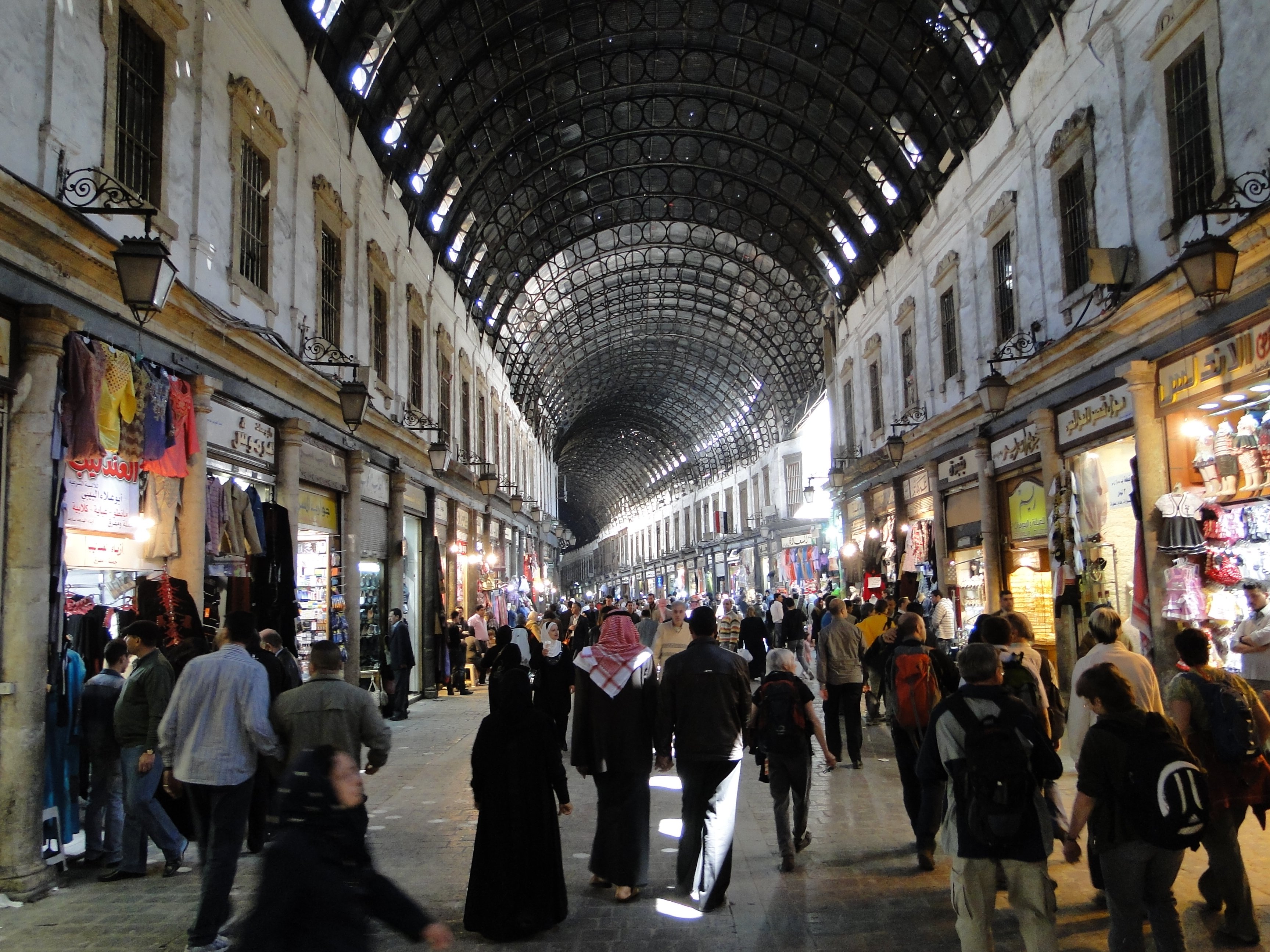
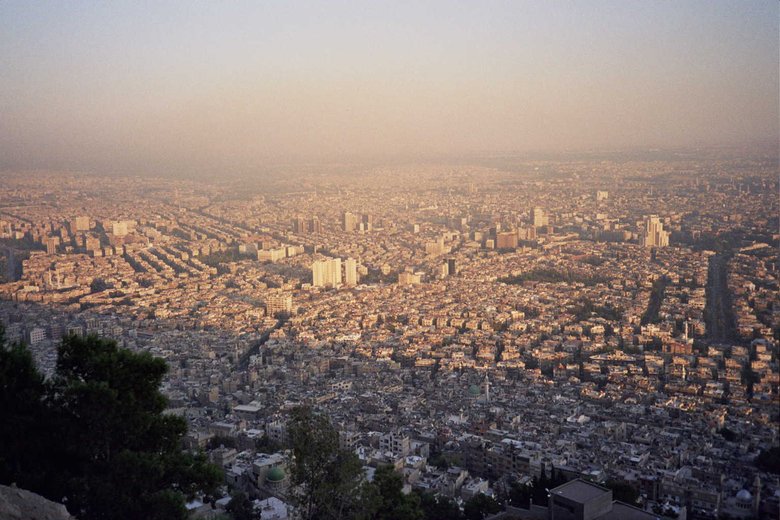
- Damascus — the capital; the old city, the Umayyad Mosque, and the souks survived the war largely intact
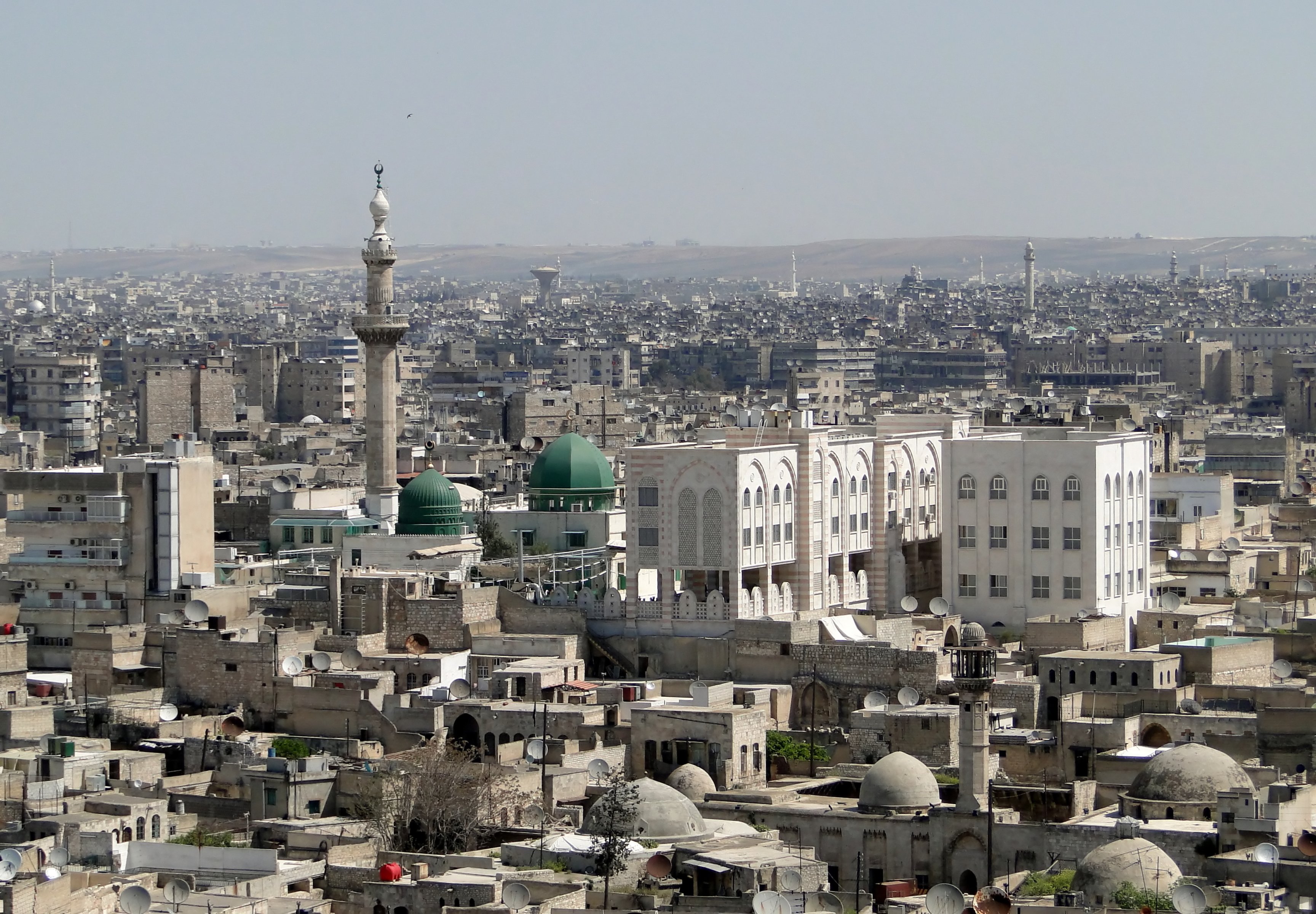
- Aleppo — Syria's second city, badly damaged but partially recovered; the old city and citadel are being restored
- Palmyra — the Roman and pre-Roman ruins in the desert, heavily damaged by ISIS but still magnificent
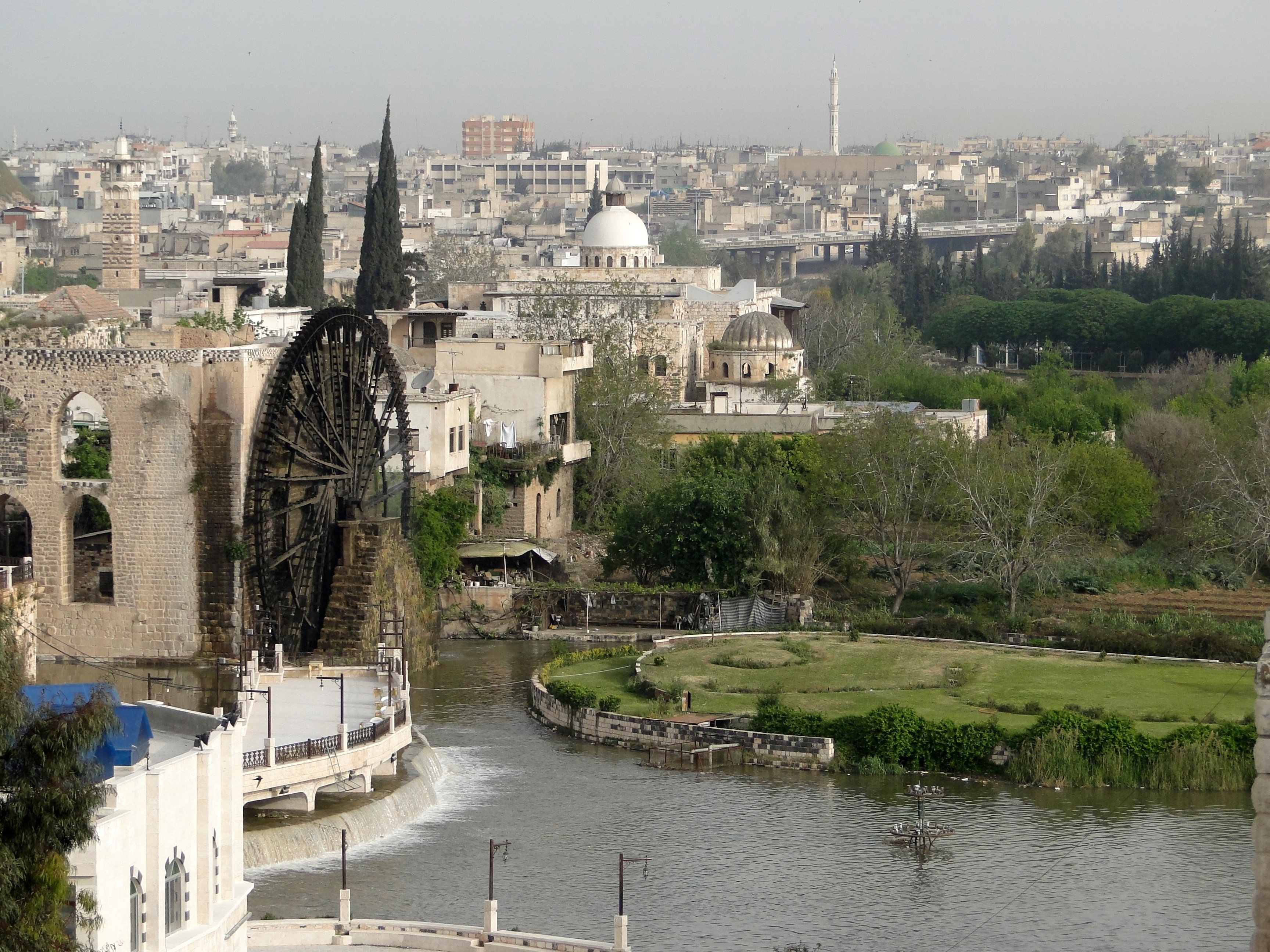
- Hama — famous for its ancient waterwheels; an attractive stop on the Damascus–Aleppo road
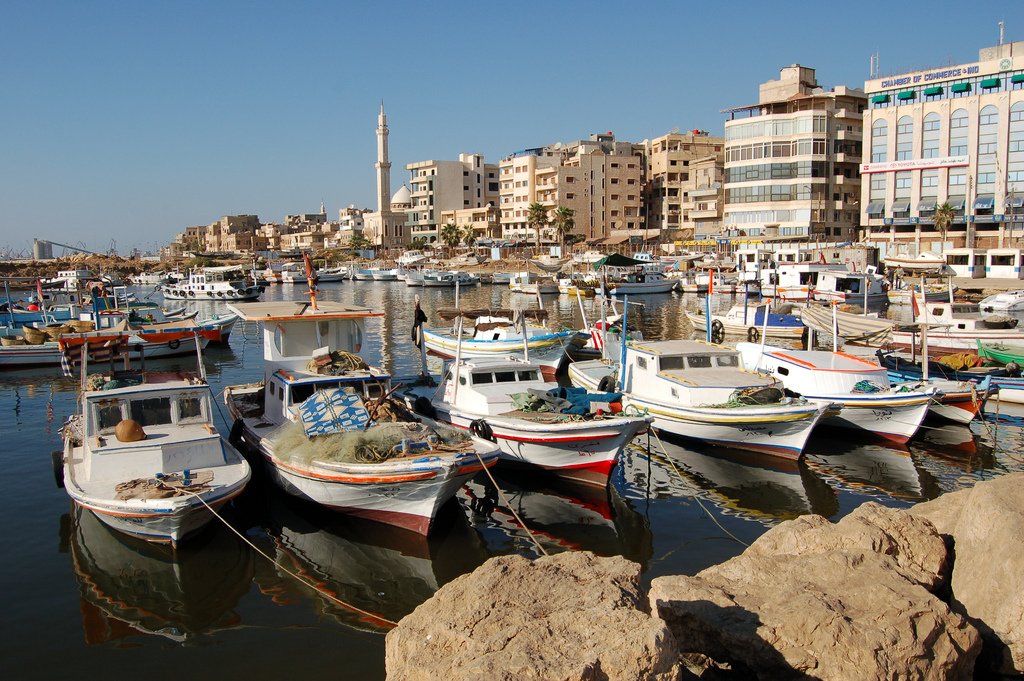
- Latakia — Syria's main port, gateway to the Mediterranean coast
- Arwad Island — a small island off the coast with a Phoenician and Crusader-era castle
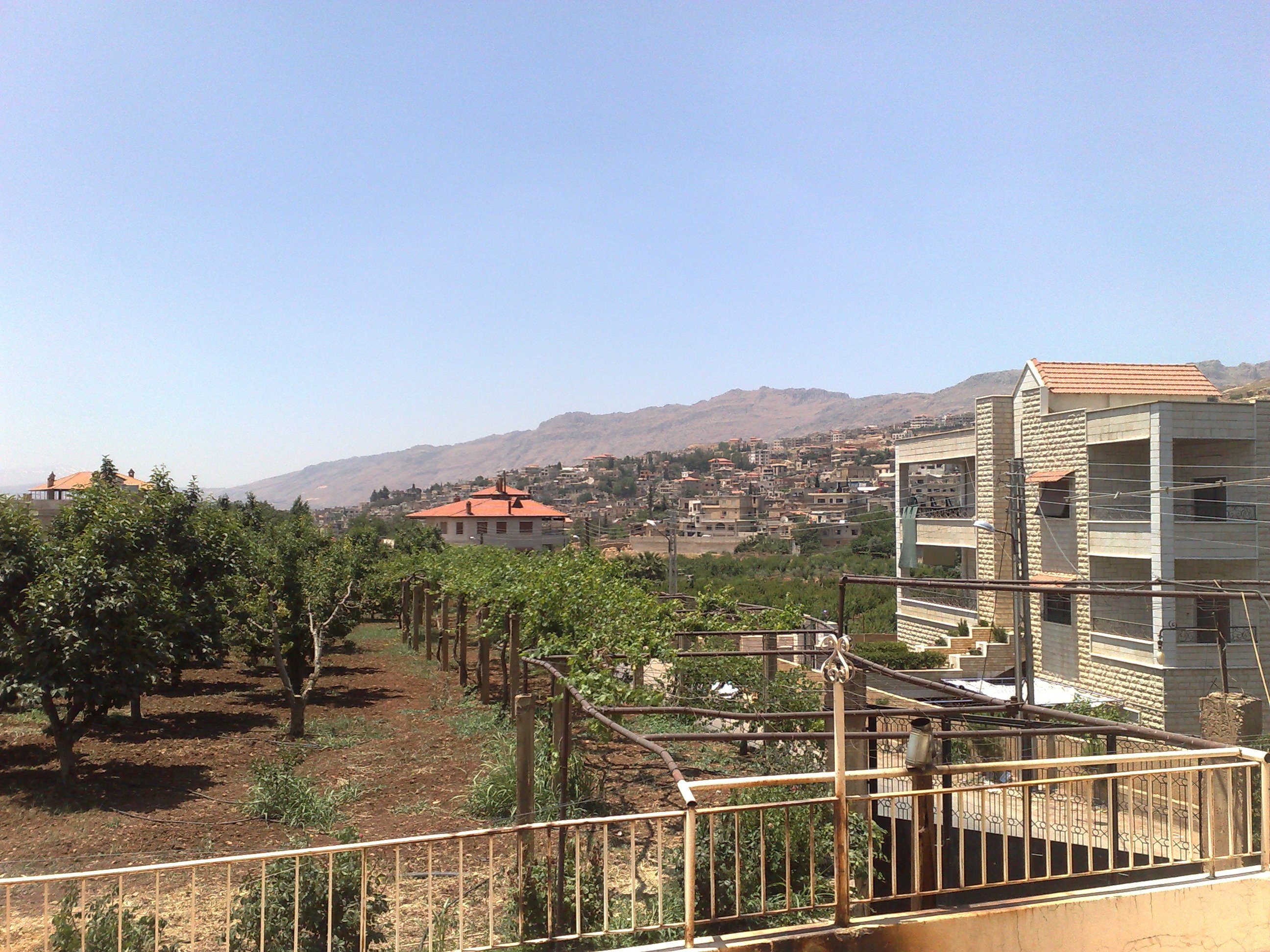
- Zabadani — a mountain resort in the Anti-Lebanon, northwest of Damascus