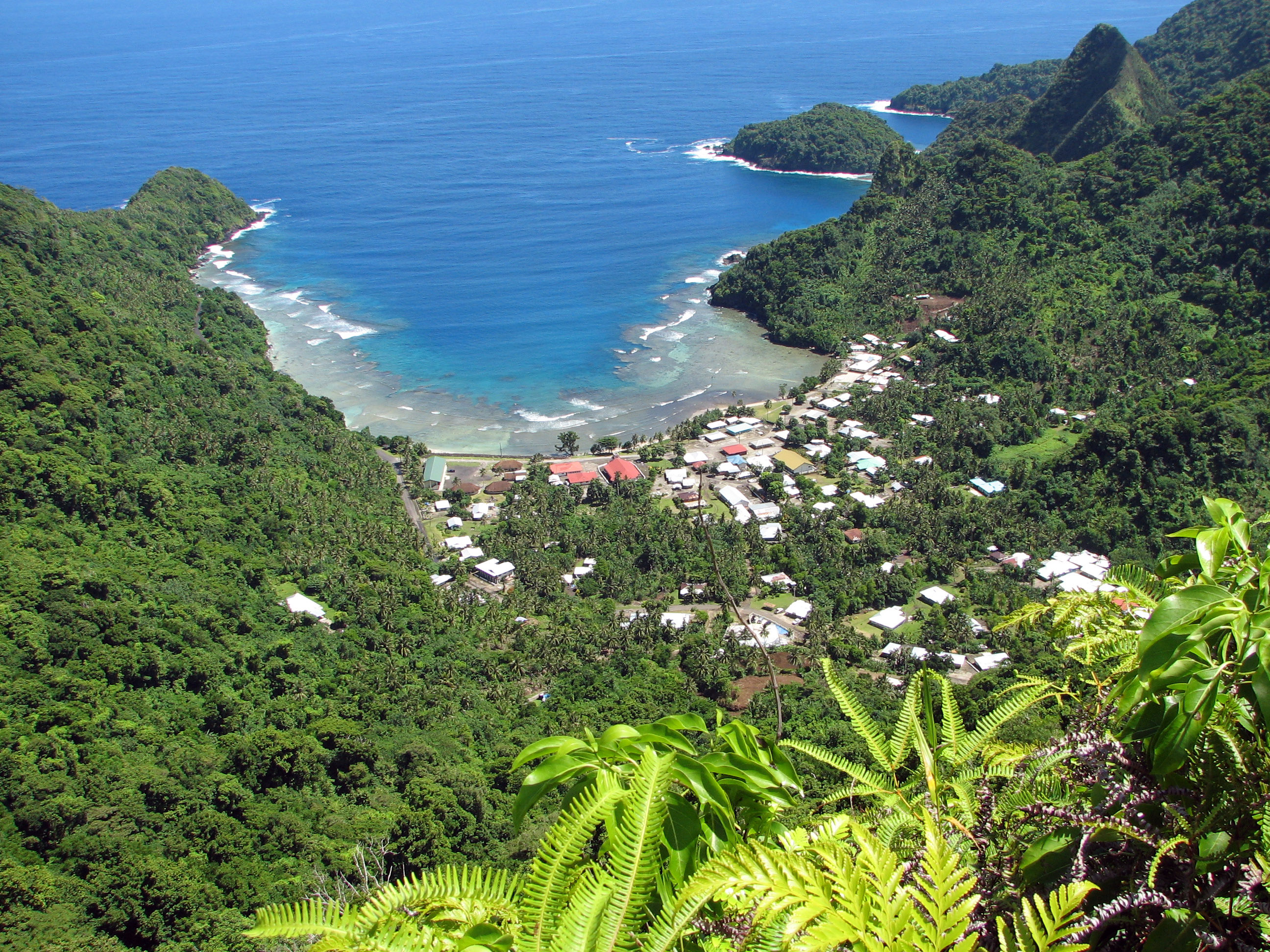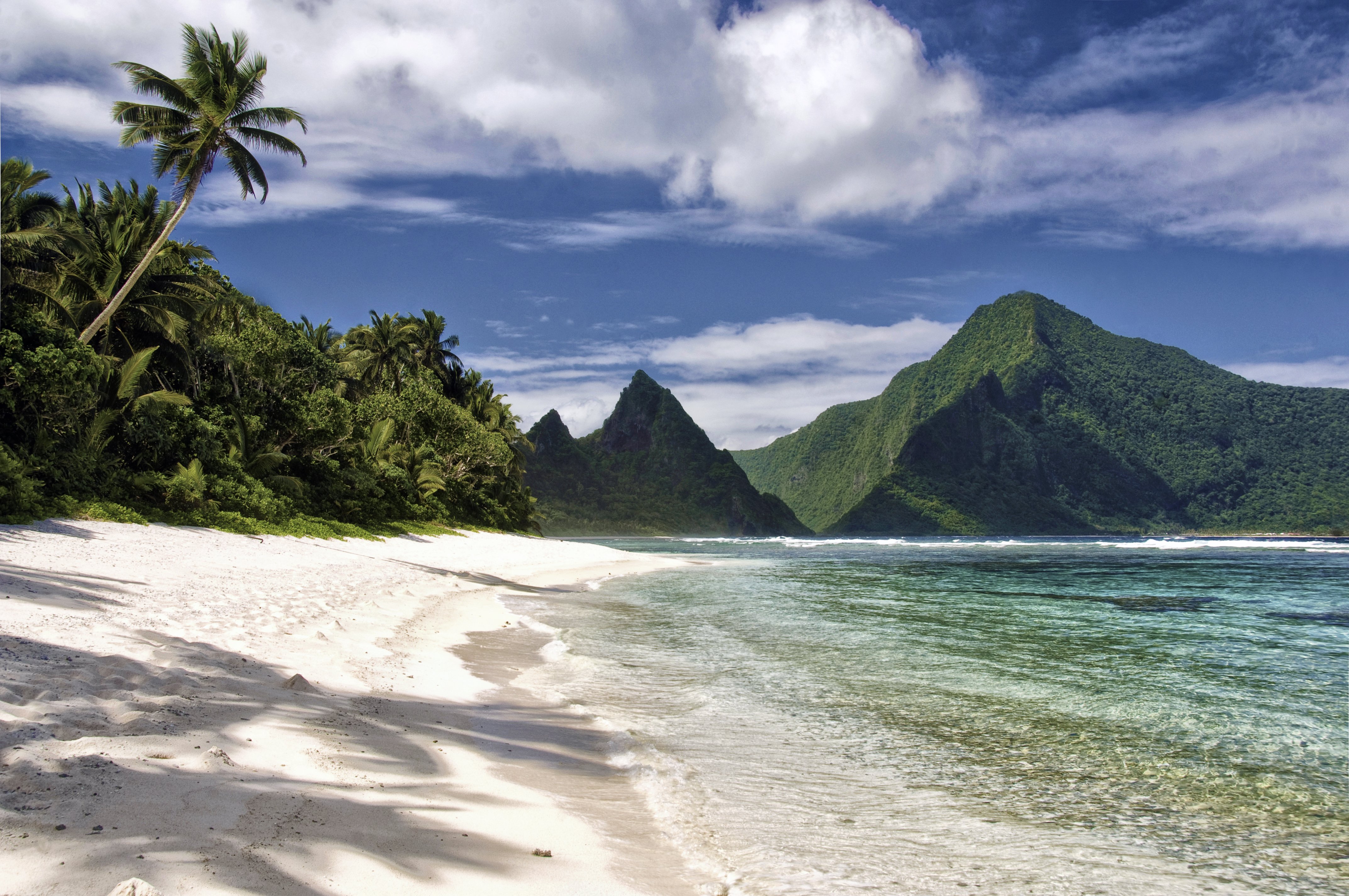
American Samoa is a small U.S. territory in the South Pacific — seven islands scattered between the equator and the Tropic of Capricorn, about halfway between Hawaii and New Zealand. It's remote, genuinely beautiful, and almost entirely off the tourist trail.
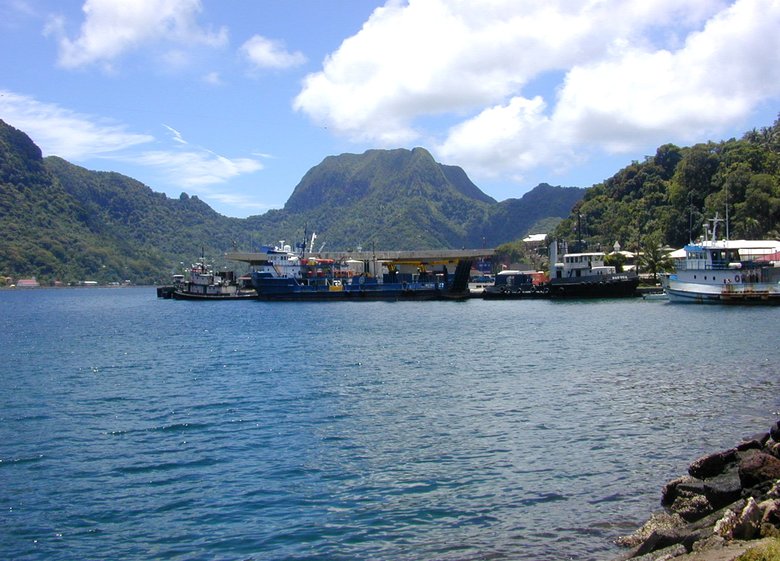
Most visitors fly into Tutuila, the main island, where the capital Pago Pago sits inside one of the finest natural harbors in the Pacific. The harbor is a drowned volcanic caldera, ringed by steep green ridges that drop almost straight into the sea. It's dramatic and a little ragged — this is not a polished resort destination.
The islands are Polynesian in culture, American in governance, and neither quite fits the other. Samoan culture — fa'a Samoa — shapes daily life. Extended family, village hierarchy, church, and tradition carry real weight. Visitors who respect this find the place genuinely welcoming.
The main draw for travelers is the National Park of American Samoa, which protects rainforest, coral reef, and fruit bat habitat across Tutuila, Ofu, and Ta'u. The park is unusual: there are no entrance fees, very few facilities, and almost no other tourists. The snorkeling off Ofu Island is among the best in the Pacific.
The Manu'a Islands — Ofu, Olosega, and Ta'u — lie 60 miles east of Tutuila, a 30-minute flight on a small plane. They are sparsely populated and feel genuinely remote. Ta'u's Lata Mountain, at 3,170 feet the highest peak in American Samoa, rises out of dense cloud forest above sheer sea cliffs.