Ofu
©
Ofu

Ofu

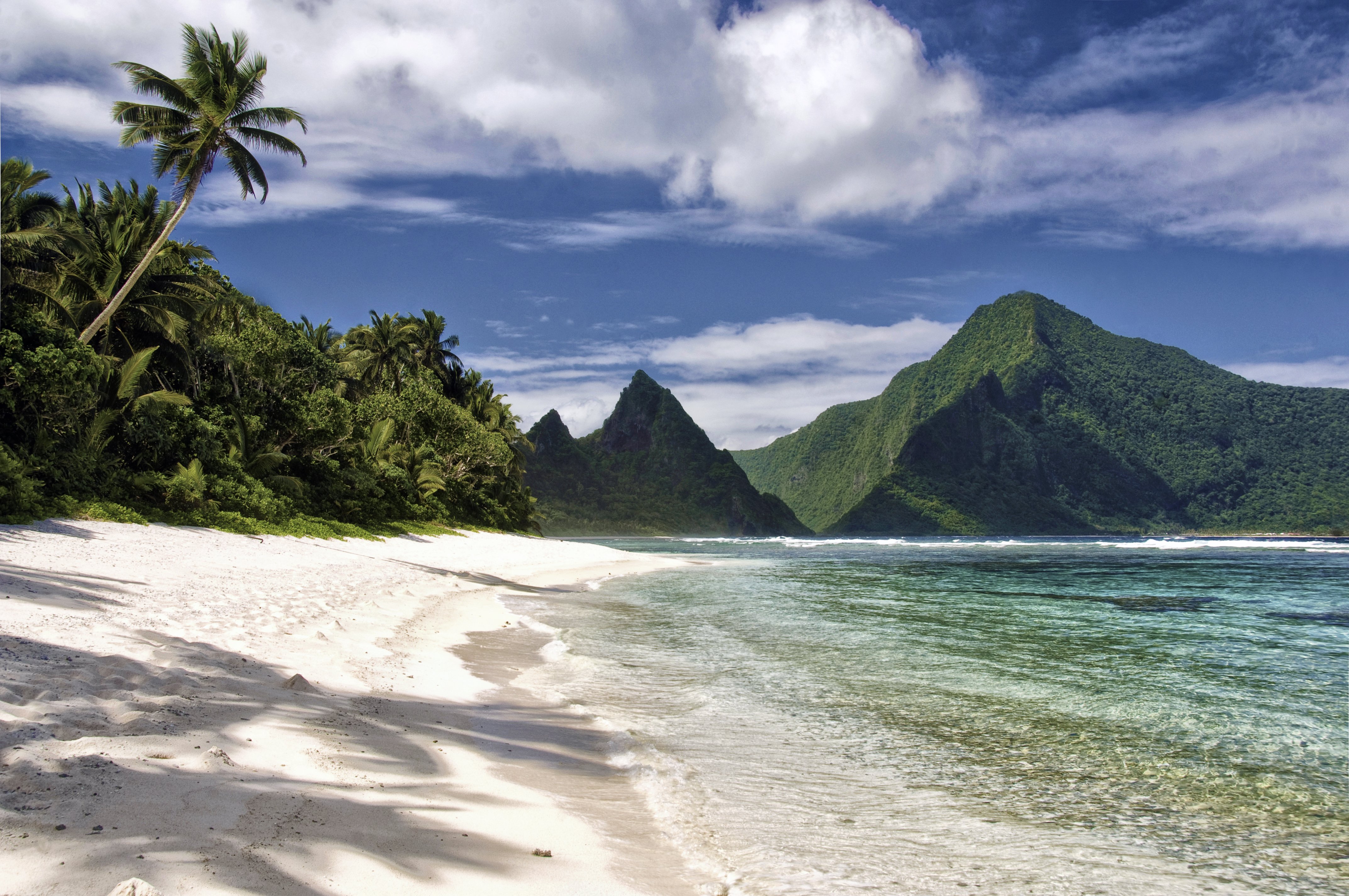
Manu'a island with a national park beach and fringing reef off American Samoa's eastern edge

Ofu is part of the Manu'a Island group, about 100 kilometres east of Tutuila and a 30-minute flight on a small plane. It's connected to its twin island Olosega by a short bridge.

The National Park section of Ofu protects a long stretch of white coral sand beach and a 350-acre fringing reef — among the healthiest coral ecosystems in the US Pacific. The snorkeling is exceptional: high coral coverage, clear water, and a wide range of fish and marine life. Bring your own gear from Tutuila, as there's nothing to rent on Ofu. Before you go, check with National Park staff about current conditions and any special rules.

The beach is fine coral sand and largely deserted. You can walk it for long stretches without seeing another person.

Getting there requires booking a flight from Pago Pago well in advance. Schedules are limited, and weather cancellations are common. Accommodation is basic — a small number of family guesthouses and the NPS Ofu Unit campsite. The quietness is the point.

Guide

Getting There

Getting to Ofu means flying from Pago Pago on Tutuila. Inter Island Airways operates small twin-engine planes on the route, and the flight takes about 30 minutes — assuming it goes. Weather cancellations are frequent, sometimes leaving travelers stranded on either end for a day or two. Book as far in advance as possible, confirm the day before, and build extra time into any itinerary that includes a connecting flight out of Pago Pago. The runway at Ofu Airport is short and the approaches are over water and ridgeline; pilots here are practiced, but conditions matter.

Flights are limited to a few per week and seats are few. If your dates are fixed, book early and check the airline's current schedule directly — it changes seasonally. On the island itself there are no rental cars; accommodation hosts may be able to help with transport, and the distances involved are small enough that walking covers most of what you'll want to see. The NPS Ofu unit campsite is within easy walking distance of both the beach and the airstrip.

Guide

Things to Do

The main reason to come to Ofu is the reef. The National Park of American Samoa's Ofu unit protects about 400 acres of offshore waters along the island's southern coast, and the coral coverage here is extraordinary — scientists have studied it for decades because the reef has proven unusually resilient to bleaching events. Snorkeling in the To'aga lagoon is one of the best non-diving reef experiences in the US Pacific. The water is clear, the coral is dense, and the fish life is diverse and largely undisturbed. Pack your own mask and fins from Pago Pago. Nothing is available to rent on Ofu.

The beach itself runs for nearly two miles of white coral sand, framed by forest and mountains, with the reef just offshore. On most days you'll share it with almost nobody. There's a local belief that the forest between the road and the beach is home to aitu — spirits — which may partly explain why even locals tend to leave the shoreline alone. Whether or not you believe in spirits, the solitude is real and it's the thing you'll remember most.

Inland, the Tumu Mountain Trail climbs sharply from the western end of the island to the ridge above, giving views down over both Ofu and Olosega, the reef, and on clear days the distant silhouette of Ta'u. The hike is hard — steep, humid, and in places you'll need the fixed rope — but the ridge views are the payoff. Start early to avoid the heat and allow three to four hours. Check first whether the trail is open; it closes on Sundays out of respect for the local Sabbath.

A short walk across the bridge to Olosega adds another dimension to the visit. Olosega's village is quieter and less visited than anything on Ofu, and walking through it gives you a sense of daily life in the Manu'a Islands. The bridge itself is a landmark — a single-lane span across the shallow Asaga Strait, with the reef visible below through the clear water.